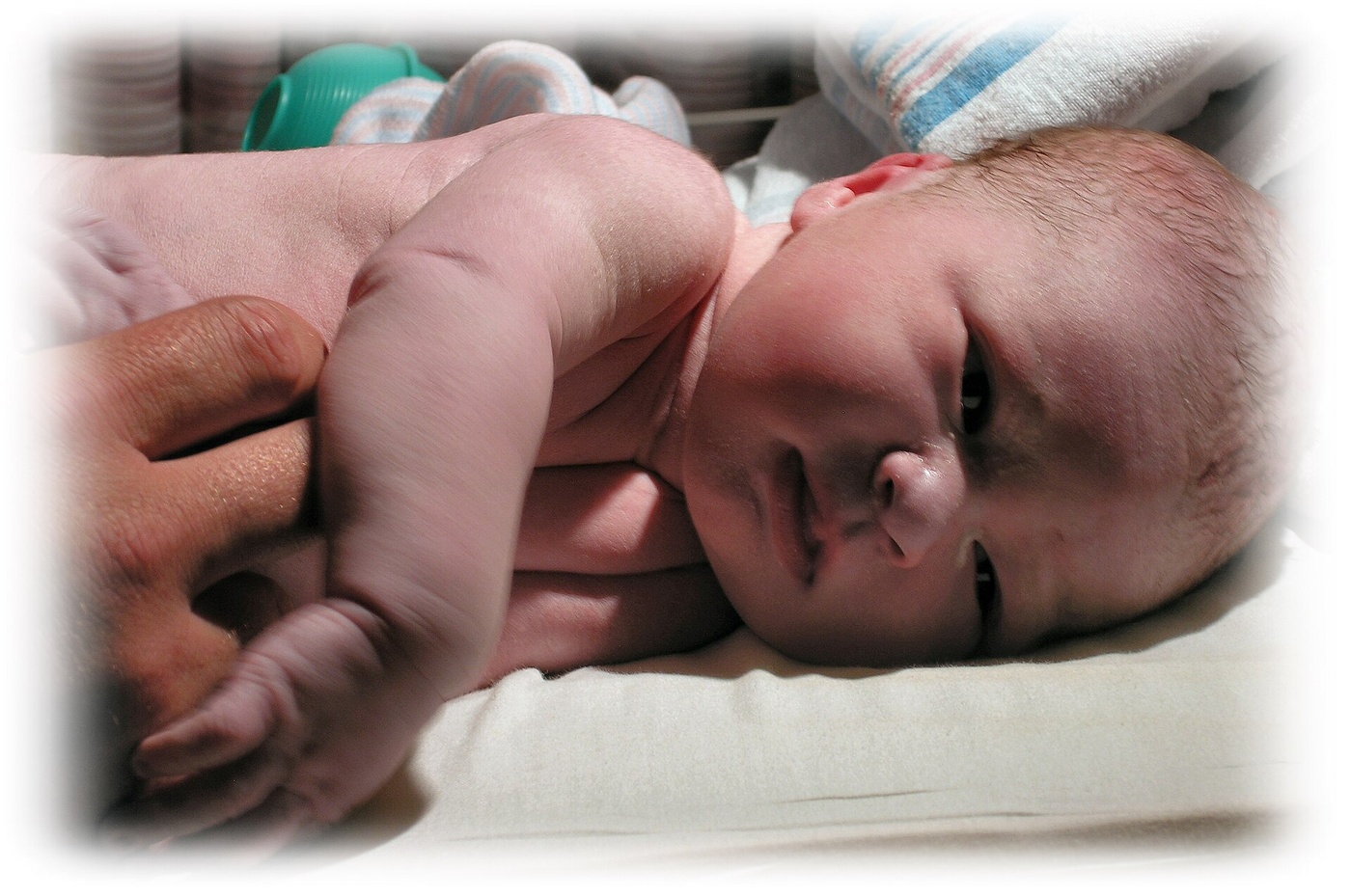
More US babies suffer dangerous bleeding as vitamin K refusals rise
Life-threatening bleeding in US infants has risen sharply as more parents refuse vitamin K shots for newborns, two studies found, Reuters reports. The shot has been standard care since 1961. The studies, published this month, do not prove that refusals caused the rise.
Life-threatening bleeding in US infants has risen sharply as more parents refuse vitamin K shots for newborns, two studies found, Reuters reports. The shot has been standard care since 1961. The studies, published this month, do not prove that refusals caused the rise.
Babies are born with low levels of vitamin K, a nutrient that helps blood clot, Newsweek reports. Without enough of it, they can bleed inside the body, including in the brain, Newsweek says. The shot is a vitamin, not a vaccine, the magazine notes.
One study, from Virginia Commonwealth University, looked at medical records for more than 11 million infants from 2017 to 2025, Reuters reports. The share of newborns getting the shot fell from 97.7% to 95%, while the rate of bleeding from low vitamin K nearly quadrupled, Reuters says. Newsweek reports that such bleeding diagnoses rose by 347.1% over the period.
A second study, led by Kristan Scott of Children's Hospital of Philadelphia, looked at more than 5.2 million infants, Reuters reports. The share of newborns who did not get the shot rose from 3.1% in 2017 to 6.8% in 2025, Reuters says. Babies who missed the shot had a 47% higher risk of bleeding in their first six months, according to Reuters.
"Now we're stepping away from that and we're seeing the consequences," one of the researchers said, Reuters reports.
Refusals have risen since the COVID-19 pandemic and sped up under Health Secretary Robert F. Kennedy Jr., Reuters reports. A Health and Human Services spokesperson said the CDC still recommends the shot, but would not say whether the agency would start tracking refusals or bleeding, Reuters says.
"The data raise[s] concerns about increased parental rejection of vitamin K injections and potential harm to infants," the JAMA Pediatrics study says, according to Newsweek.
What we know: Two large studies link rising vitamin K refusals with more dangerous bleeding in infants. What we don't know: Whether federal health officials will start tracking refusals and bleeding cases.
Where outlets agree Reuters and Newsweek report that two studies in JAMA journals found more US infants are suffering dangerous bleeding as vitamin K shot refusals rise.
Where they differ The cited reports agree on the key facts so far.