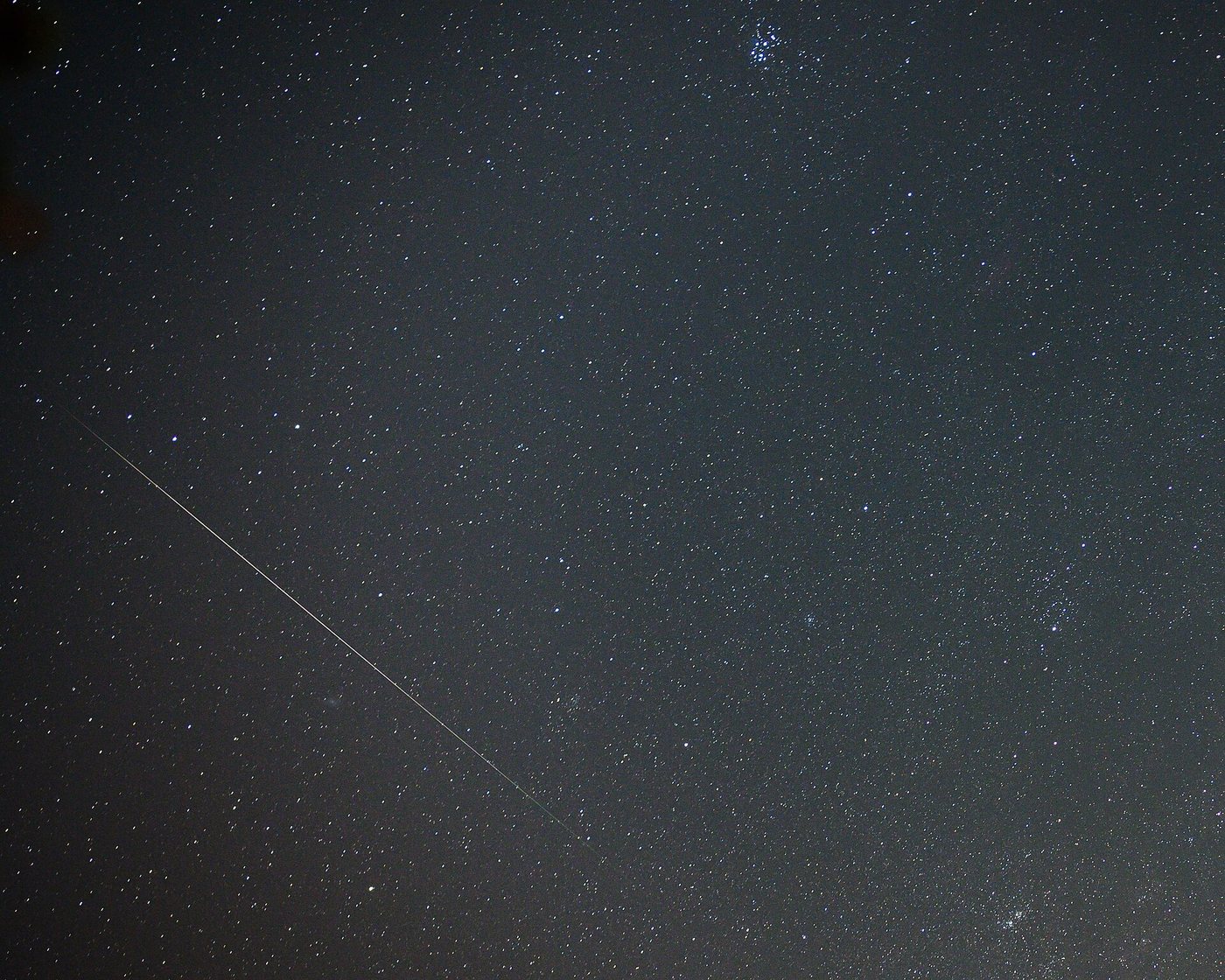
Leonid meteor shower peaks this week, with few meteors expected
The Leonid meteor shower is at its peak this week, with bright, fast meteors but low rates, The New York Times reports. Skywatchers may see fewer than three meteors an hour. The shower is set to stay active through the end of the month, the Times says.
The Leonid meteor shower is at its peak this week, with bright, fast meteors but low rates, The New York Times reports. Skywatchers may see fewer than three meteors an hour. The shower is set to stay active through the end of the month, the Times says.
The Leonids are some of the fastest meteors, at about 44 miles per second, the Times reports. They are known for bright, colorful streaks, the paper says.
The meteors come from debris left by Comet 55P/Tempel-Tuttle, Scientific American reports. The shower can produce fireballs, which are brighter and last longer than typical shooting stars, Scientific American says.
Under perfect dark skies, up to 15 meteors an hour could be seen, Space.com reports, citing the International Meteor Organisation. NASA has given a more conservative rate of fewer than three an hour, Space.com says.
The best time to look is in the hours before dawn, when the shower's radiant in the constellation Leo is highest, Space.com reports. Jupiter and Mars will sit a few degrees apart in Leo, making it easy to find, the site says.
The moon will be about 41% full, so its light may hide fainter meteors for part of the night, the Times reports, citing the American Meteor Society.
NASA suggests wearing layers, bringing a sleeping bag and lying down with your feet pointed east, Scientific American reports. Give your eyes about 30 minutes to adjust to the dark, the magazine says.
The last Leonid meteor storm, with more than 1,000 meteors an hour, was in 2002, Scientific American reports.
What we know: The Leonids are active now and peak this week, with low rates expected. What we don't know: How many meteors skywatchers will actually see.
Where outlets agree The New York Times, Space.com and Scientific American report that the Leonid meteor shower peaks this week and produces fast, bright meteors at low hourly rates.
Where they differ The New York Times and Scientific American say the peak came Monday night into Tuesday morning, while Space.com, updated Tuesday, says the peak is the night of Tuesday into Wednesday.