CDC study finds millions use GLP-1 drugs in unapproved ways
According to Ars Technica, a CDC study estimates that about 27 million US adults used a GLP-1 drug in 2025. Nearly half of them did not take it as prescribed, often because of cost. At least 23% used a compounded version, which the FDA does not approve.
According to Ars Technica, a CDC study estimates that about 27 million US adults used a GLP-1 drug in 2025. Nearly half of them did not take it as prescribed, often because of cost. At least 23% used a compounded version, which the FDA does not approve.
The study was published in the CDC's Morbidity and Mortality Weekly Report, Ars Technica reports. Researchers used survey answers from more than 8,000 US adults collected in July and August of 2025. They estimate that 9.8% of adults, about one in 10, used one of the drugs.
Users skipped doses, put off refills and took smaller doses than prescribed, among other changes, Ars Technica says. More than half of those who changed how they used the drug cited cost or supply. Younger users were more likely to cite cost, with 58% in the youngest group who made changes saying so, compared with 20% of those 65 or older.
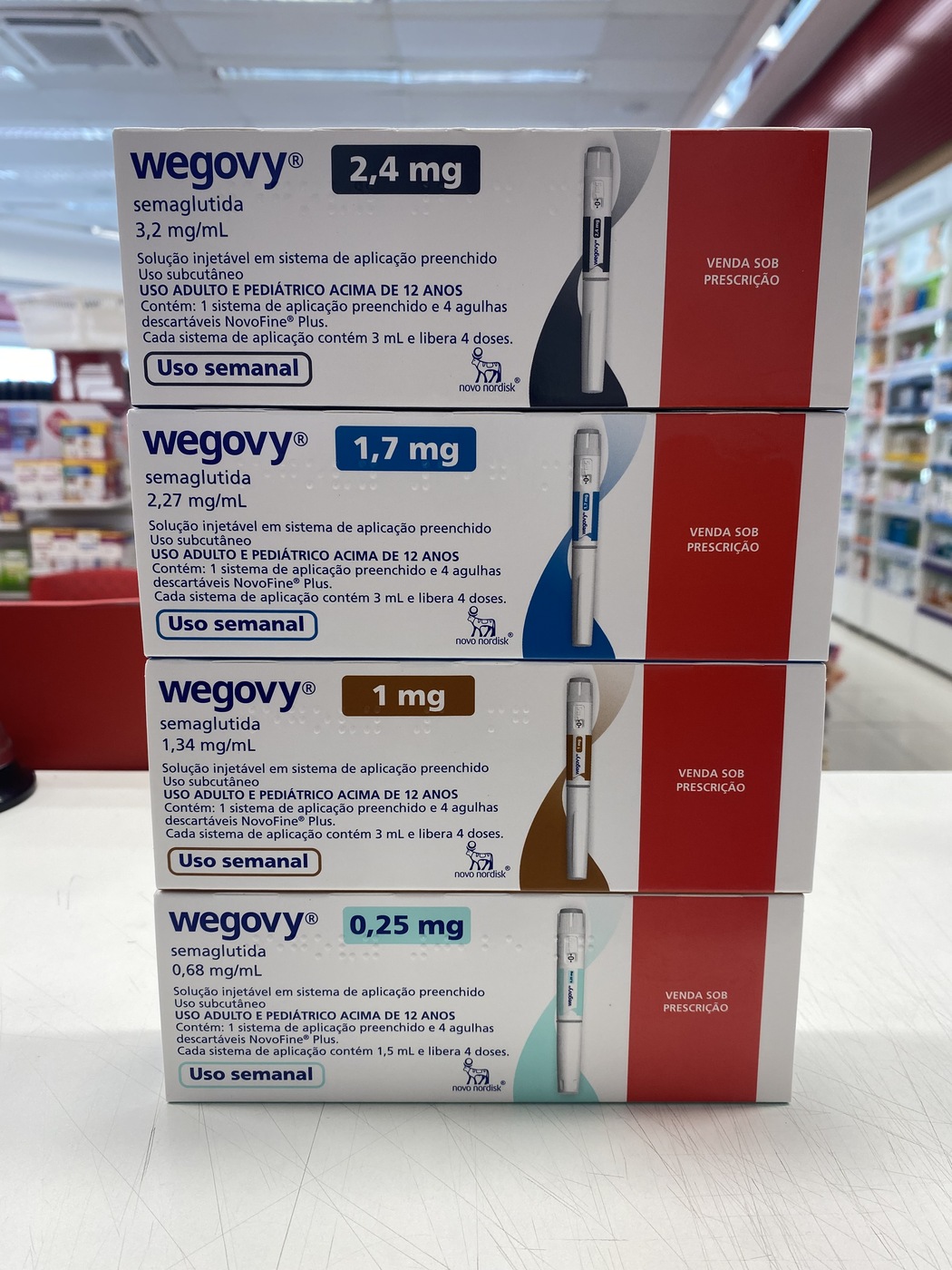
Compounded GLP-1 drugs are made by compounding pharmacies to copy approved medicines such as Wegovy or Ozempic, Ars Technica reports. The FDA does not review their safety or quality before they are sold. Among people using compounded versions, 62% were not taking them as prescribed, compared with 36% of people on brand-name drugs.
A 2025 study found that nearly 40% of websites selling compounded GLP-1 drugs said or implied that they were FDA-approved, Ars Technica says. "Given the substantial use of compounded GLP-1 medications, understanding the safety and quality of compounded GLP-1 medications is an important public health consideration," the CDC authors wrote, according to Ars Technica.
Only Ars Technica has reported this so far; NewsHabit hasn't seen independent confirmation.
What we know: A CDC study estimates about one in 10 US adults used a GLP-1 drug in 2025, and nearly half did not use it as prescribed, Ars Technica reports. What we don't know: What risks these changes pose, and whether another outlet will independently report the study.
Where outlets agree Ars Technica reports that a CDC study estimates about 27 million US adults used GLP-1 drugs in 2025, with nearly half not taking them as prescribed.
Where they differ The CDC study is the basis of the Ars Technica report, which does not include comment from drugmakers or compounding pharmacies.