Nearly 2,200 migrants reach Canary Islands in two days, Spain says
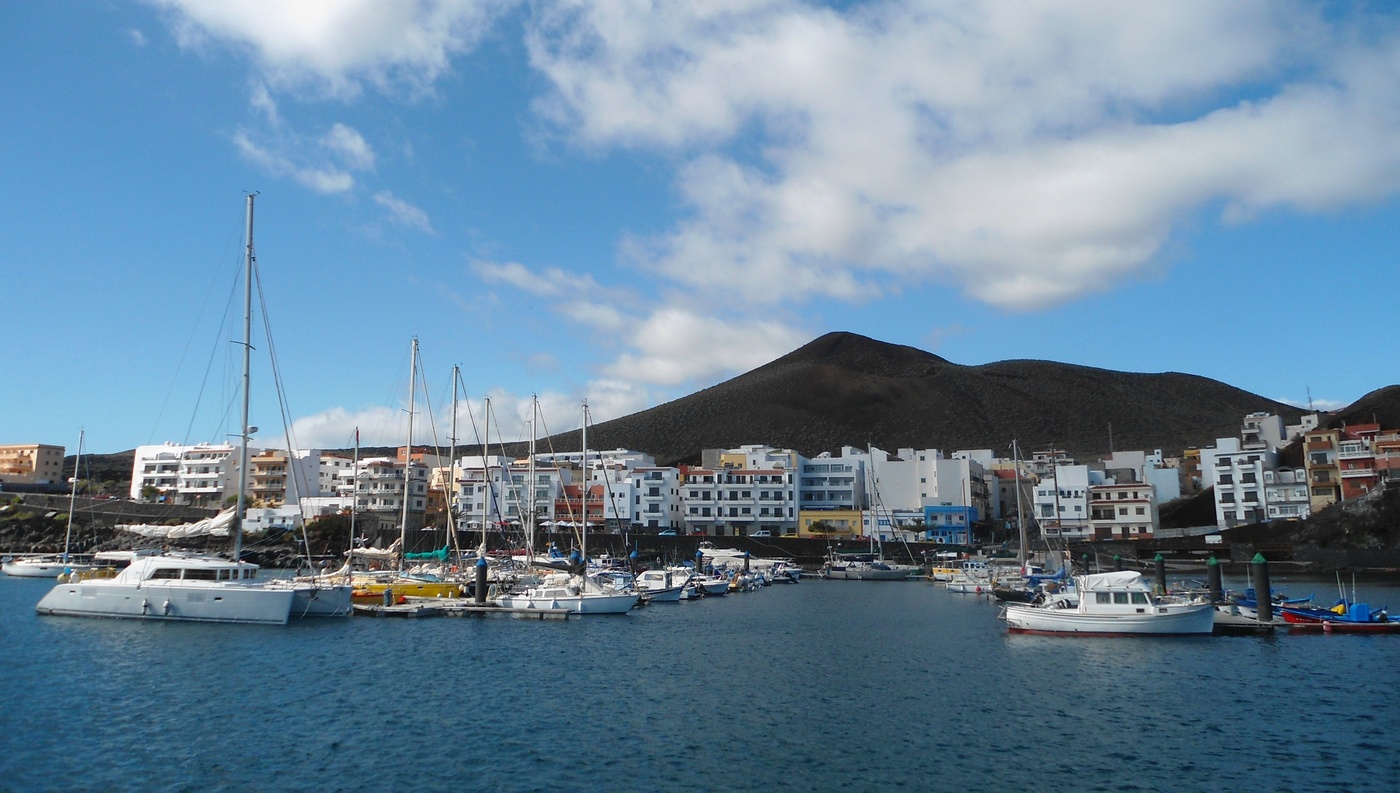
Nearly 2,200 migrants have arrived by boat in Spain's Canary Islands in the past two days, Spain's maritime rescue service said Sunday, The Associated Press reports. Most landed on El Hierro, a small island of about 12,000 people, Spain's RTVE reports.
Nearly 2,200 migrants have arrived by boat in Spain's Canary Islands in the past two days, Spain's maritime rescue service said Sunday, The Associated Press reports. Most landed on El Hierro, a small island of about 12,000 people, Spain's RTVE reports.
The maritime rescue service said it had helped 1,324 migrants aboard 14 boats, most of whom reached El Hierro, the AP reports. That was close to the route's one-day record of 1,461 people rescued on November 7, 2020, the AP says.
RTVE counts the weekend differently. It reports that more than 2,360 migrants reached El Hierro in two days. Adding 203 people on Gran Canaria and 50 on Tenerife on Saturday, RTVE says, made it the most rescues in a single day in the route's 30-year history. Saturday brought 13 boats with 1,317 people, and six more boats with 1,049 people arrived on Sunday, the broadcaster says.
El Hierro's temporary reception center has room for 500 people and is overwhelmed, RTVE reports. The island's leader, Alpidio Armas, said more than 1,600 migrants were still there on Sunday. The rest have been moved to other islands or mainland Spain, he said.
Canary Islands President Fernando Clavijo called on Spain's central government for an immediate response, RTVE reports. Minister Ángel Víctor Torres visited El Hierro on Sunday and promised a third rescue boat for the island, the broadcaster says.
The Atlantic route from West Africa is one of the world's deadliest migration routes, the AP reports. The islands are about 65 miles from the closest point in Africa, but many migrants take longer trips to avoid security forces. Of the just over 28,000 people who reached Spain by sea from January through October, more than 13,000 arrived in the Canary Islands, the AP says, citing the Interior Ministry.
The boats come mainly from Senegal, Gambia, Mauritania and Guinea, RTVE reports.
What we know: Spain's maritime rescue service says nearly 2,200 migrants reached the Canary Islands in two days, most of them on El Hierro. What we don't know: How many more boats will arrive, and when Spain's government will send the extra help the islands want.
Where outlets agree The Associated Press and RTVE report a surge of migrant boats reaching the Canary Islands this weekend, with most landing on El Hierro.
Where they differ The Associated Press reports the rescue service's count of 1,324 people was close to the route's one-day record, while RTVE reports Saturday's rescues set a new one-day record.