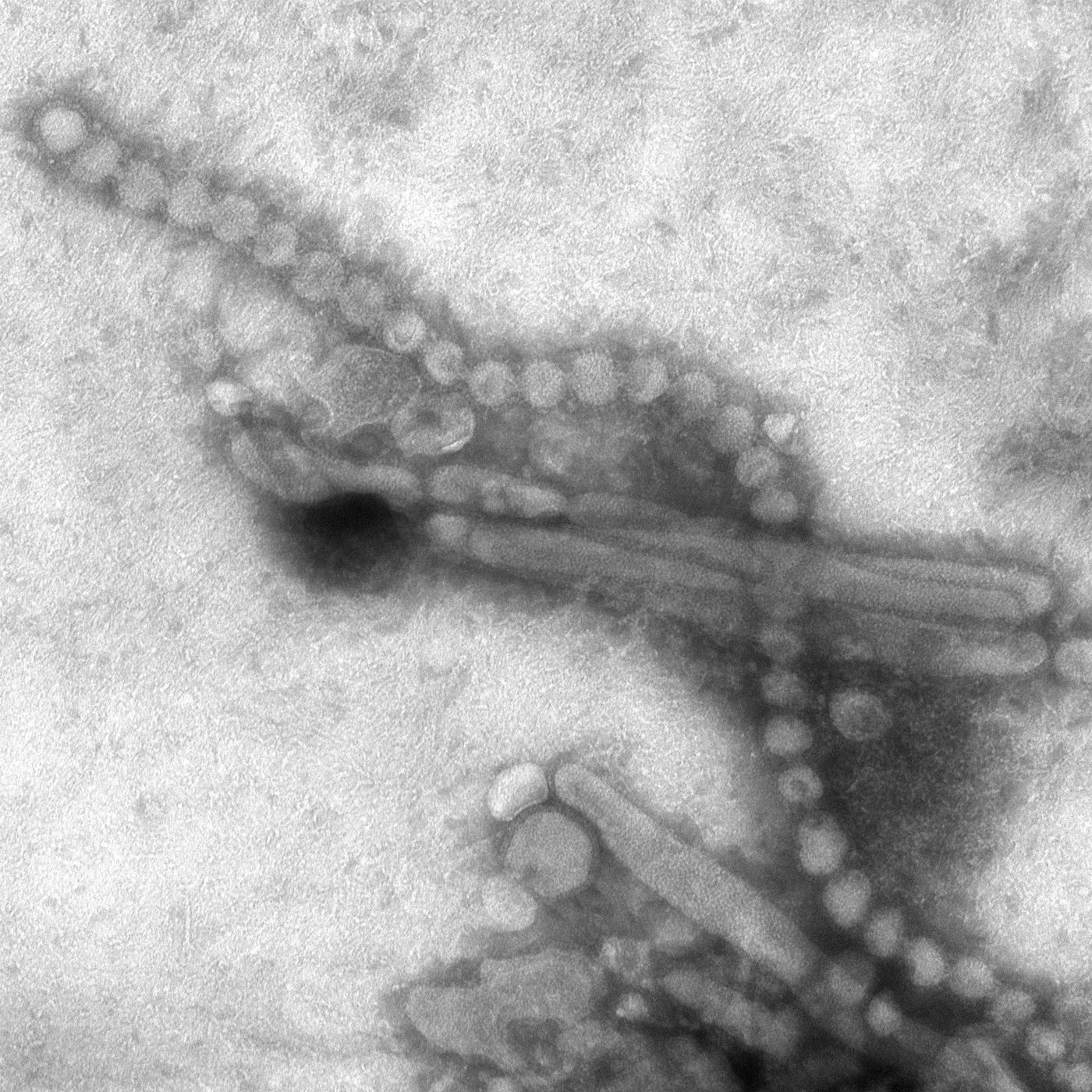
Early flu wave is hitting teens and young adults hard
Flu is spreading earlier than usual and is hitting teenagers and young adults especially hard, STAT and NBC News report. Official case counts are already high for this point in the year. An early start does not always mean a worse season, the outlets say.
Flu has picked up earlier than usual in the United States, and teenagers and young adults appear to be hit especially hard, STAT and NBC News report. STAT, citing the Centers for Disease Control and Prevention, says at least 1.7 million cases have been reported and 1,400 people have died so far this year. Clusters have appeared in southern states and on the West Coast, STAT says. NBC News, also citing the CDC, says states on the West Coast, where flu usually arrives later, are already seeing moderate activity.
NBC News says a mutated version of a circulating strain may be leaving teens and young adults more at risk than before. STAT points to an early study with the same pattern. It offers a possible reason: a person’s defenses are shaped in part by the flu strains they met as children. STAT, citing USA Today, says the strain now spreading is a mutated version of the one that fueled the 2009 swine flu wave. People without later exposure to that family of viruses may be more at risk, that account says. Doctor Vin Gupta of the University of Washington, quoted by STAT through WBUR, said West Coast travel links to Asia may help explain the early spike.
Case counts are higher than usual for early November, STAT reports. That does not mean the virus will be more severe, or that later peaks will stay higher. NBC News makes the same point. An early season is not a sure guide to how bad the rest of the winter will be. Officials still urge people who have not had a flu shot to get one, NBC News reports. The two accounts agree that the season is early and that younger people are a special concern this year.
Where outlets agree STAT and NBC News report that flu season has started earlier than usual, that teens and young adults are being hit especially hard, and that an early start does not automatically mean a more severe season.
Where they differ The cited reports agree on the key facts so far.