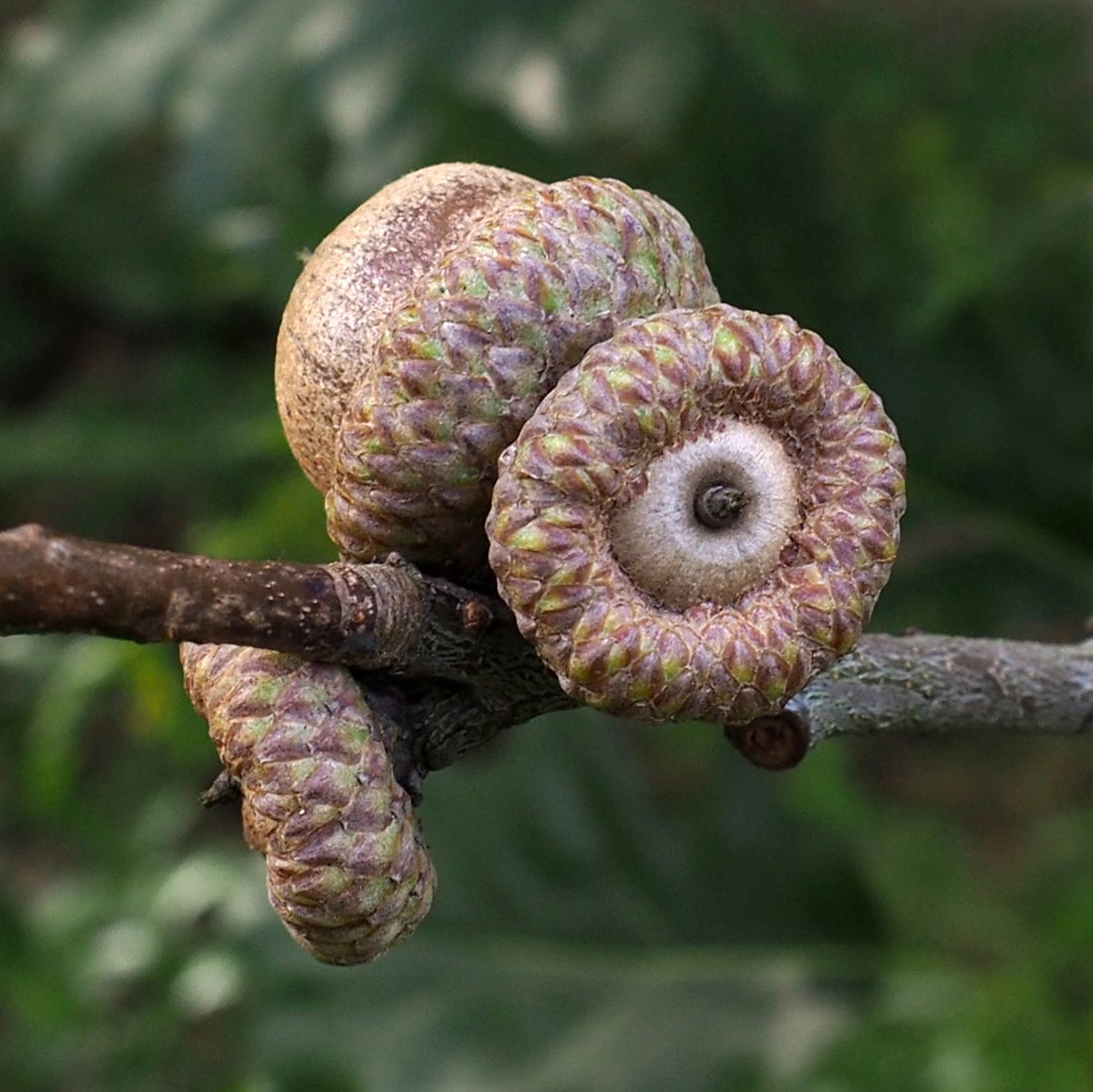
Acorn crops may help forecast tick surges
According to Scientific American, a long study links big acorn crops to more young ticks about two years later. Mice help explain the pattern. An outside scientist says deer still matter and warns that more ticks do not always mean more ticks that carry Lyme bacteria.
According to Scientific American, large red-oak acorn crops may help forecast a rise in young black-legged ticks almost two years later. Its report describes a 35-year study of forests in New York State, published in Proceedings of the National Academy of Sciences. Deer numbers were not a reliable guide to tick numbers in the deer-rich areas studied.
The report describes a chain through the food web. More acorns in autumn help white-footed mice survive winter. More mice the next summer provide hosts for tick larvae. Ticks that feed on mice are more likely to survive to the nymph stage than those feeding on other animals. Mice can also pass the Lyme bacterium to feeding ticks.
Lead author Richard Ostfeld, a senior scientist at the Cary Institute of Ecosystem Studies, discussed the findings with Scientific American. He said acorn production could help predict bad Lyme years almost two years ahead. That is a forecast based on ecological patterns, not a certain count of future human infections.
Columbia University disease ecologist Maria Diuk-Wasser, who was not part of the study, praised the long record but cautioned against downplaying deer. Adult ticks feed on deer before laying eggs, she said. She noted that sharply reducing deer can limit ticks, even though small changes in an abundant deer population may not change tick numbers.
Diuk-Wasser also said more nymphs do not necessarily mean more infected ticks. Some ticks may feed on animals that pass on the bacterium less well than mice do. The study's tick-density finding should not be treated as proof of an equal rise in human Lyme cases.
Warmer weather increased mouse numbers but reduced nymphal ticks in the study, the outlet reported. Ostfeld said warming may expand the areas ticks can live in without necessarily increasing their numbers where established. The net effect on Lyme risk remains unclear.
What we don't know: Only Scientific American has reported this so far; NewsHabit hasn't seen independent confirmation.
Where outlets agree Scientific American reports that acorn crops and mouse populations help predict later tick numbers.
Where they differ Researcher Maria Diuk-Wasser cautions that more nymphs need not mean more infected ticks and that deer remain important to tick reproduction.
That’s the last story in this edition. See every brief from Sun, Nov 8, 2026.