UK launches first study of forever chemicals in people's bodies
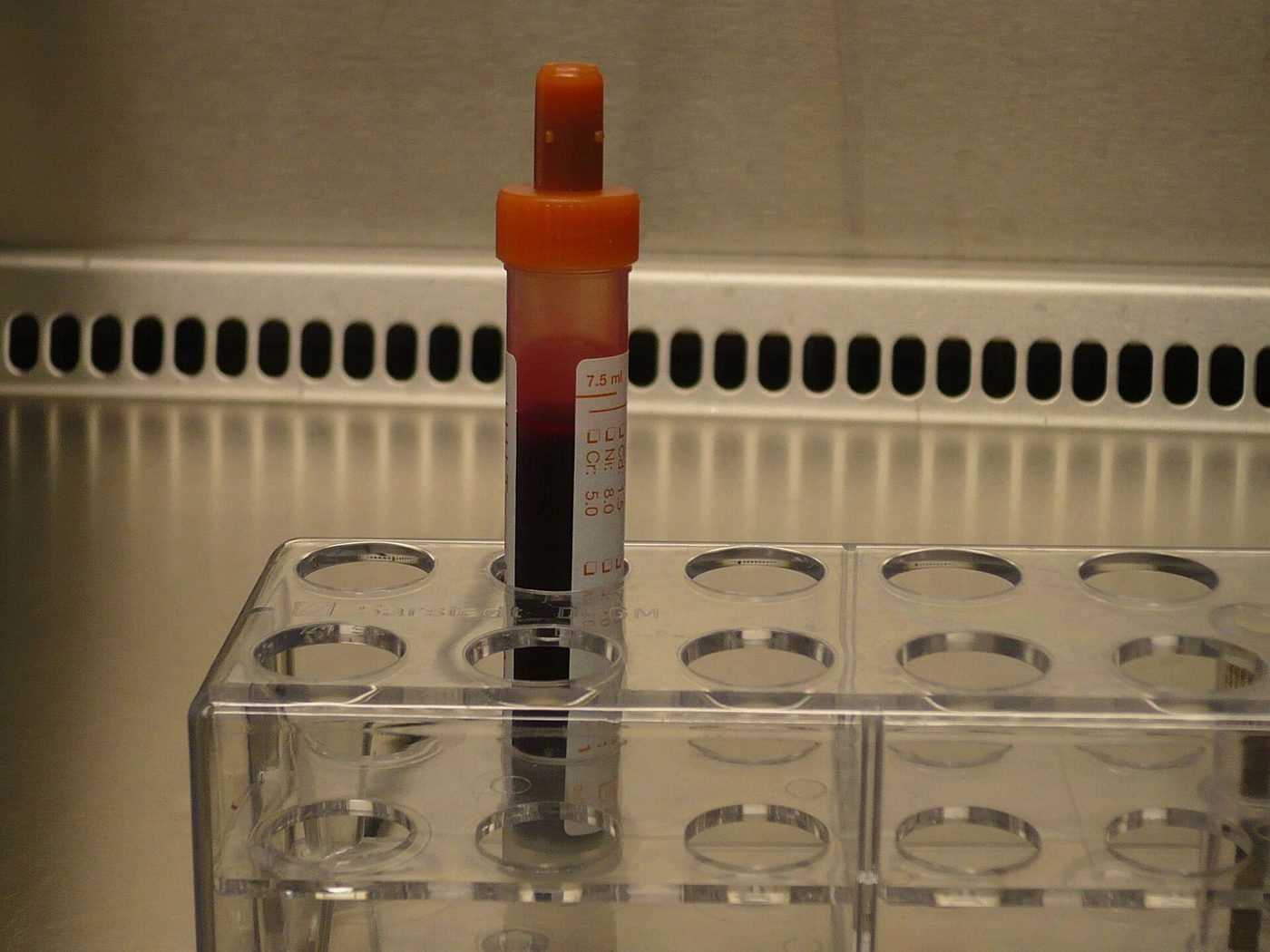
The UK Health Security Agency is starting its first study of PFAS levels in the UK population, according to BBC News. It will test blood and urine samples for these "forever chemicals" and other substances like lead. The first results are expected next year.
The UK government is launching its first study into the levels of so-called "forever chemicals" in the UK population, according to BBC News. The UK Health Security Agency, or UKHSA, will take blood and urine samples to better understand any health risks.
These chemicals are known as PFAS. They have been used since the 1940s and 1950s because they resist water, oil and heat, the BBC reports. They are found in pots and pans, clothing and foams used to fight fires. They do not break down easily in the environment, which is where the nickname comes from.
The samples will come from the existing Health Survey for England, the BBC reports. The study will set baseline levels of PFAS, lead, arsenic, bisphenols, phthalates and flame retardants.
The agency said current evidence suggests the possible health effects of PFAS are likely to be limited, the BBC reports. But the strongest links found in large groups of people have been to raised cholesterol and lower birth weights. Two types, PFOA and PFOS, are already banned in the UK. There are more than 15,000 types to research.
Dr Edward Wynne-Evans of the UKHSA said there are gaps around "what different levels of exposure mean for an individual's long-term health". The government does not recommend routine PFAS blood tests for individuals, he said. "If you are going to do a test where you cannot recommend an action to follow, we would not normally recommend a test."
Prof Tony Fletcher of the London School of Hygiene & Tropical Medicine said he believes there is a low level of PFAS in everyone's blood. "We are not all dying because of this but at higher levels [and in larger populations] they have been associated with adverse health effects," he said.
Only BBC News has reported this so far, and NewsHabit hasn't seen independent confirmation.
What we know: The UKHSA is starting a study of PFAS and other chemicals in blood and urine samples.
What we don't: What levels the study will find, and whether it will lead to new rules.
Where outlets agree This is one outlet's report, with BBC News saying the UKHSA is launching its first study of forever chemical levels in the UK population.
Where they differ The cited reports agree on the key facts so far.