Google's AI satellite sends its first response back to Earth
Google's Project Suncatcher test satellite has run an AI model on its own chips in orbit and sent the result back to Earth, The Verge and TechCrunch reported. The model wrote a haiku. Google says the next step is more testing of how the chips handle heat and radiation.
Google's Project Suncatcher test satellite has booted up its AI chips in orbit and sent its first AI-generated response back to Earth, The Verge and TechCrunch reported. Google announced the milestone in a blog post on Friday.
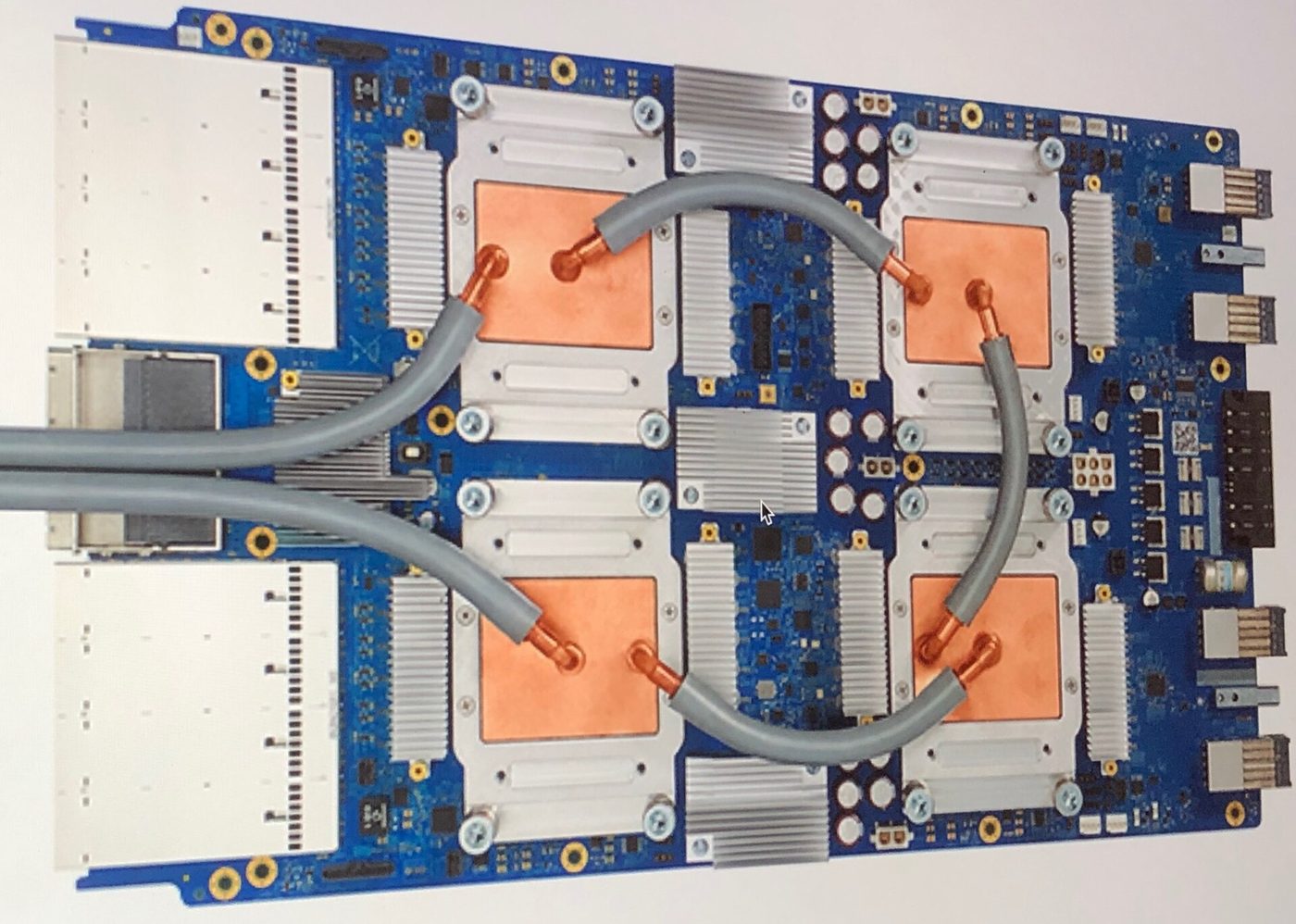
The satellite carries Google's Tensor Processing Units, or TPUs, the chips it uses to run AI. An on-board Gemma 4 model wrote a haiku, the two outlets reported. "Blue marble below / Data streams in silent grace / Starlight feeds my core," it wrote, TechCrunch reported. Google also asked the model for space limericks and gave it prompts about the satellite's own data, The Verge reported.
The satellite has four TPUs but enough power to run only one at a time, for about 20 minutes, TechCrunch reported. Getting the satellite fully ready took about three weeks, and a spokesperson said it is working normally, the outlet said.
Next, Google will test how the chips handle heat stress and radiation, The Verge and TechCrunch reported. TechCrunch said radiation can flip bits in a chip's memory and quietly corrupt data.
Google said the work "paves the way for our next milestone of twin interconnected satellites in 2027," The Verge reported. TechCrunch said those two satellites will be linked by optical connections.
Project Suncatcher is Google's effort to study whether data centers in space, powered by the sun, could one day run AI. TechCrunch said such plans will need SpaceX's Starship, a heavy rocket still in development, to become fully reusable. Alphabet, Google's parent company, owns a stake in SpaceX, the outlet noted.
What we know: The satellite has run an AI model in orbit and sent its answer to Earth.
What we don't: How well the chips will hold up to radiation over time.
Where outlets agree The Verge and TechCrunch agree the satellite ran a Gemma model on its TPUs in orbit and sent a haiku back to Earth.
Where they differ The cited reports agree on the key facts so far.