CDC says flu is rising early, with H1N1 driving most cases
Flu activity is still low nationally but rising earlier than usual, the CDC said in its latest weekly report. It estimates at least 1 million illnesses and 16,000 hospitalizations so far this season. Nearly all flu A viruses tested in the latest week were H1N1.
Flu activity across the country is still low but is rising in many places and is higher than usual for this time of year, the Centers for Disease Control and Prevention said in its weekly flu report. The report covers the week that ended October 24.
The CDC estimates there have been at least 1 million flu illnesses and 16,000 flu hospitalizations so far this season. Several measures have been climbing since late August or early September, the agency said. But it said an early start does not always lead to a higher peak or a worse season.
About 6,100 people were admitted to hospitals with lab-confirmed flu that week, the CDC said. One tracking network found a weekly rate of 1.3 hospital stays per 100,000 people. That is the highest rate for that week of the season since 2010-11, the agency said. Adults 65 and older had the highest rate.
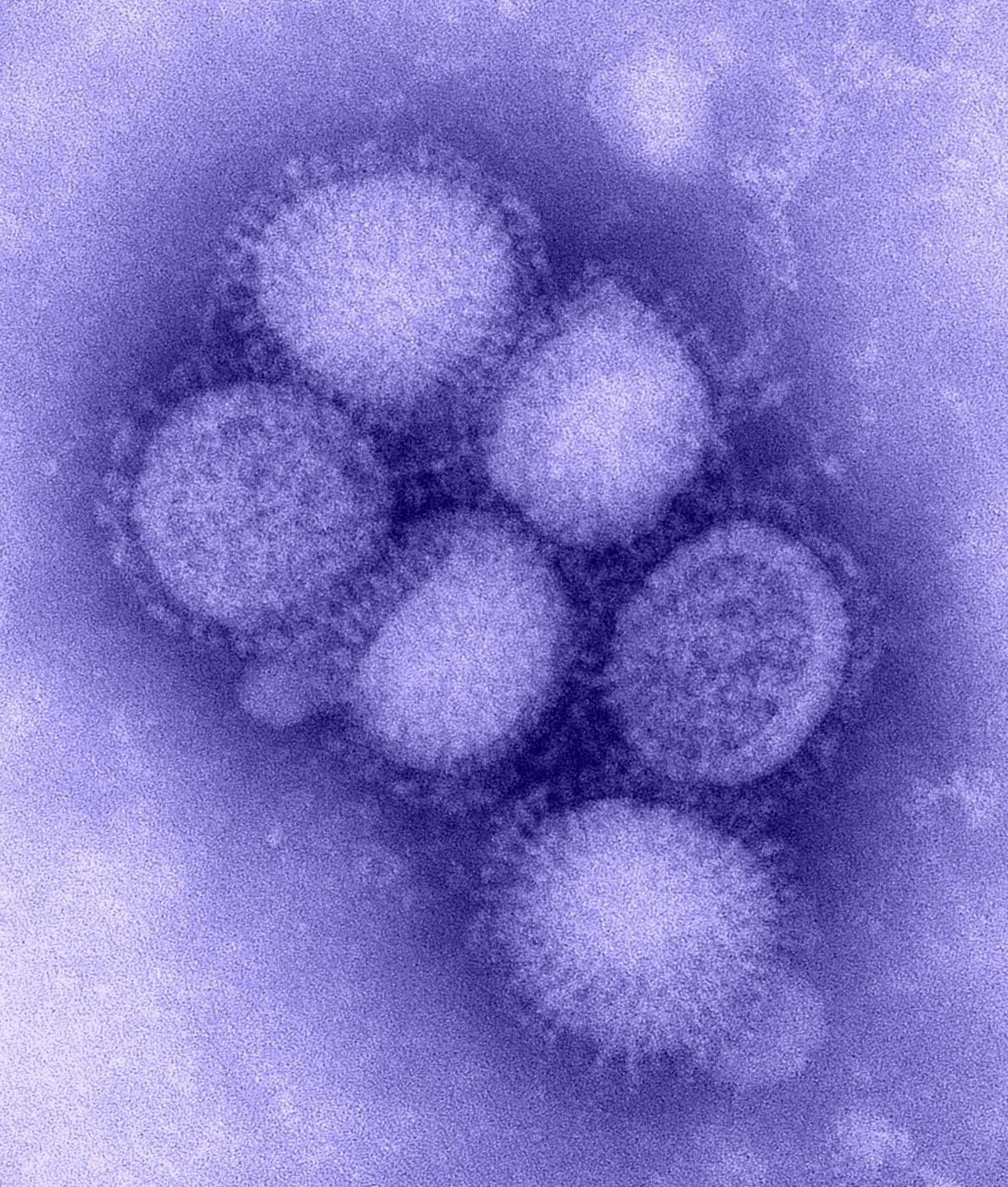
Of the flu A viruses that public health labs sorted by type that week, 98.9% were H1N1, the CDC said. It said the H1N1 viruses now spreading have split into groups with different genetic changes. "We are seeing more genetic diversity among co-circulating A(H1N1)pdm09 viruses than we have before," the report said. It is too early to know what that means for vaccines, the CDC said.
TODAY reported in late October that H1N1 is a shift from last winter, when an H3N2 strain called subclade K was dominant. The H1N1 strain picked up a new mutation, G155E, that was first found in September in Seattle, according to a preprint paper, TODAY said. "Even people who got the flu last year are vulnerable," Dr. Bernard Camins of Mount Sinai said, TODAY reported.
CDC forecasts point to more flu hospital admissions in the week ending November 14. The agency recommends a flu shot every year for everyone 6 months and older.
What we know: Flu is rising early, and H1N1 is causing almost all flu A cases.
What we don't: How severe the season will be, and no second outlet has confirmed the CDC's latest weekly figures.
Where outlets agree The CDC and TODAY agree that flu activity is rising early this season and that H1N1 is causing most cases.
Where they differ The cited reports agree on the key facts so far.