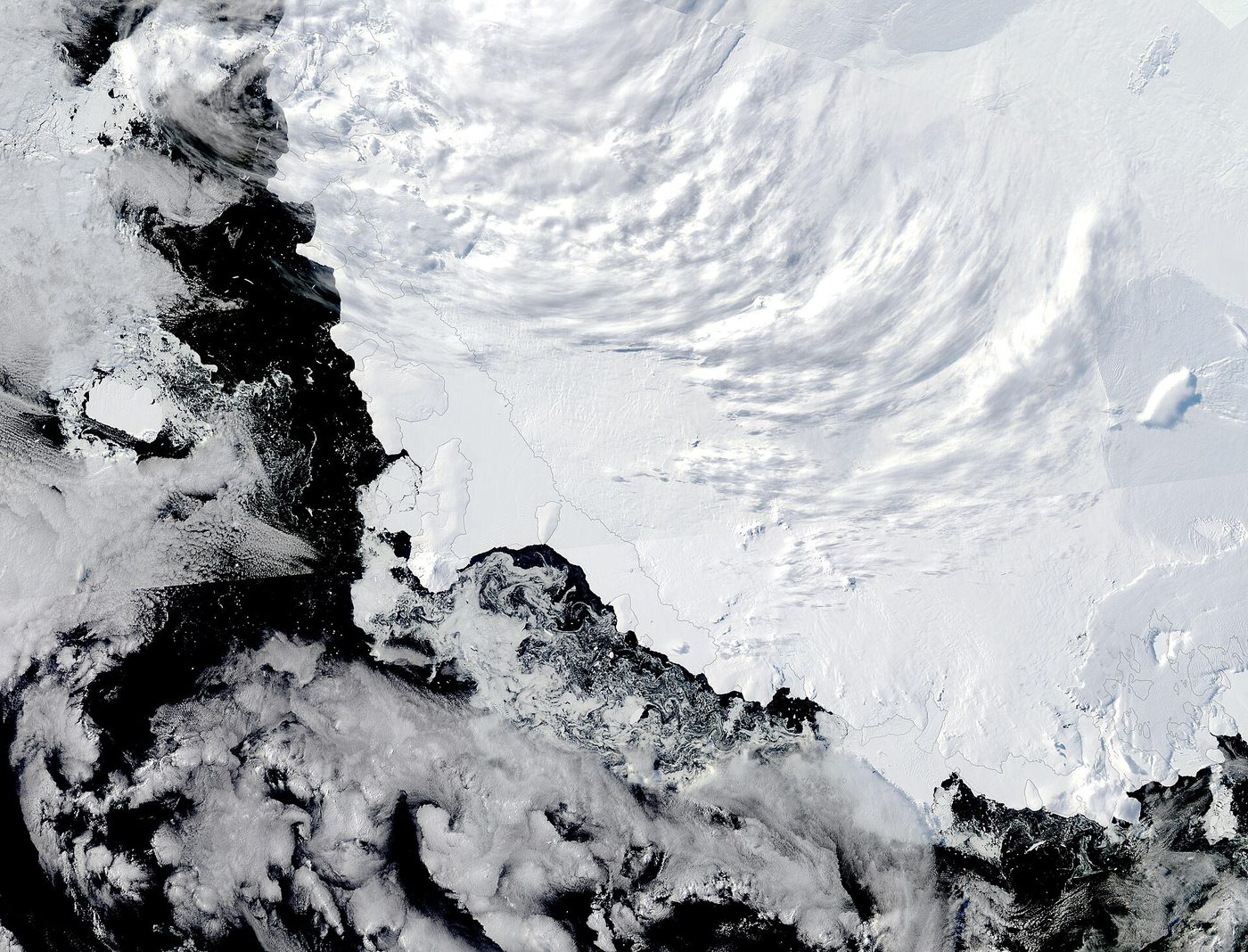
Antarctic sea ice loss is making a deep ocean layer saltier
The sharp loss of Antarctic sea ice since 2016 is making a key layer of the Southern Ocean saltier, according to Inside Climate News. The layer carries heat and carbon north to other oceans. Scientists say the change could have global effects.
The sharp loss of Antarctic sea ice since 2016 has set off a big shift in a key part of Earth's climate system, according to Inside Climate News.
In a paper published Wednesday, researchers found a sharp rise in saltiness in a vast layer of the Southern Ocean that circles Antarctica. The layer sits about 2,300 to 4,000 feet deep. It had been getting fresher for decades. The reversal echoes changes that usually unfold over thousands of years, but this one has happened in just a few.
The layer is called Antarctic Intermediate Water. It spreads north into the Indian, Pacific and Atlantic oceans, carrying heat, carbon, oxygen and nutrients toward the tropics, said co-author Bishakhdatta Gayen of the University of Melbourne.
The team combined six independent data sets from 2004 to 2024, many from Argo floats that drift through the ocean measuring the water. As sea ice shrinks, less fresh water enters the ocean during the melt season, so the layer gets saltier.
Antarctic sea ice hit a record high in 2014, then dropped to a record low two years later. In 2023, it was about 1 million square miles below the 1981 to 2010 average.
Gayen said the change "could affect how the ocean stores and redistributes heat." He said effects could be "knocking on your door" within five years.
"The Southern Ocean is the key juncture for all the world's oceans," said Michael Meredith, an oceanographer with the British Antarctic Survey. "This could have global consequences." He said it is not yet clear if the shift will last, because the record is short, and climate models "need to catch up."
What we know: Researchers say a key Southern Ocean layer has grown saltier as Antarctic sea ice declined.
What we don't: Only Inside Climate News has reported this so far. NewsHabit hasn't seen independent confirmation.
Where outlets agree This is one outlet's report, from Inside Climate News, on a study finding a key Southern Ocean layer has grown saltier as sea ice declined.
Where they differ Inside Climate News reports the study's authors see a sharp shift with effects possible within five years, while oceanographer Michael Meredith says it is not yet clear the change will last.