England study finds breast screening gap by ethnicity
According to The Guardian, Black, Asian, and mixed-ethnicity women in England were less likely than white women to learn they had breast cancer through routine scans. They were more likely to be found after urgent referral or emergency care. The study covered diagnoses from 2009 to 2019.
According to The Guardian, a nationwide analysis funded by Breast Cancer Now found that people from Black, Asian, and mixed backgrounds in England were up to 33 percent less likely than white patients to be diagnosed with breast cancer through routine screening. The same groups were up to 31 percent more likely to be diagnosed after an urgent suspected-cancer referral. They were up to 37 percent more likely to be diagnosed through emergency care.
Researchers at the University of Surrey studied 86,564 adults diagnosed between 2009 and 2019. They used Clinical Practice Research Datalink and cancer registration data, The Guardian reported. People from deprived backgrounds showed similar gaps. The analysis also found longer waits to diagnosis and treatment for people with learning disabilities. Manveet Basra of Breast Cancer Now said marginalized groups face inequalities at every stage. She said the gaps can hurt survival.
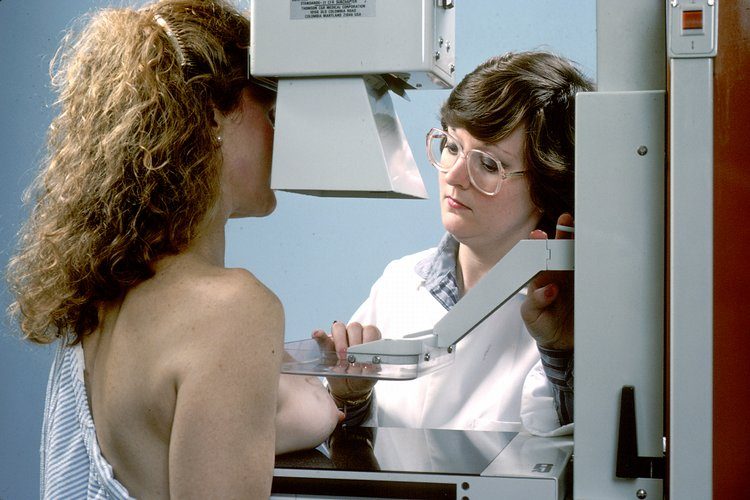
England's breast screening program invites women in set age bands for mammograms. A later diagnosis often means harder treatment and worse odds. The paper sits in Breast Cancer Research. Health officials have urged eligible women to attend screening. The Guardian's account is the main public write-up of these disparity figures so far.
The study is observational. It does not prove why the pathway gaps exist. Access, awareness, and trust all came up in the charity comments. Clinicians say catching cancers at screening still offers the best shot at early care. Closing the gap would mean more people from minority and deprived groups getting screened on time and finishing follow-up.
What we know: The Guardian reports screening and pathway gaps of up to 33, 31, and 37 percent for Black, Asian, and mixed-ethnicity patients in the Surrey analysis.
What we don't: Only The Guardian has reported this so far. NewsHabit hasn't seen independent confirmation.
Where outlets agree The Guardian reports the Surrey-led nationwide analysis finding lower screening detection and higher urgent or emergency routes for Black, Asian, and mixed-ethnicity patients in England.
Where they differ The Guardian account and Breast Cancer Now comments have not been matched by a second independent news outlet, and NHS England had not issued a detailed response in the Guardian piece.