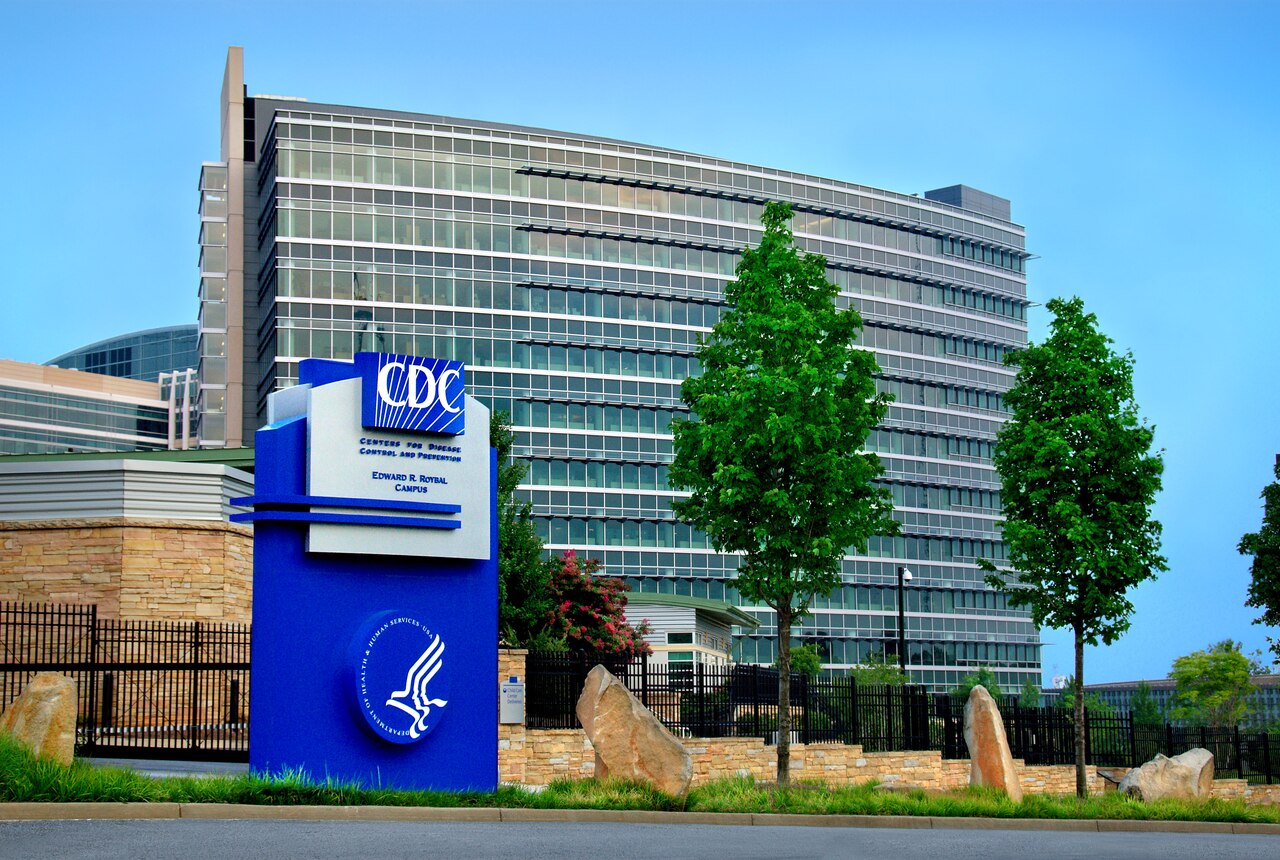
West Coast states ask CDC to reconsider denying faster measles test
The CDC said no to a plan for a faster measles test, the Guardian and The New York Times reported. Health officials in California, Oregon, Washington and Hawaii have asked the agency to think again. The CDC took two months to reply and cited "other competing priorities," the Guardian said.
The CDC turned down a request to approve a faster way to test for measles, according to the Guardian and The New York Times.
California and Washington asked the agency in May to validate a high-volume measles test, the Guardian reported. After two months, the CDC said no and cited "other competing priorities," according to a letter from the West Coast Health Alliance. The New York Times also reported that the states waited two months.
The alliance is a group of health officials from California, Oregon, Washington and Hawaii, the Guardian and The New York Times reported. Its letter to CDC Director Erica Schwartz asks her to reconsider. It also asks the CDC to make test plans for other dangerous germs.
Many public health labs bought high-volume machines during the COVID-19 pandemic, the Guardian and The New York Times reported. One can run up to 500 tests in eight hours, the Guardian said. But the CDC has not validated a high-volume measles test for those machines. Labs now rely on slower tests, the Guardian reported. The New York Times said results usually take two business days, and up to five in states short on staff.
Speed matters in an outbreak, the Guardian reported. One person with measles can infect 12 to 18 people who are not vaccinated, the Guardian said. A vaccine given within 72 hours of exposure can prevent infection.
The CDC reported 4,410 confirmed measles cases as of October 15, HealthDay reported, citing the agency. HealthDay said it is the largest US outbreak in 35 years.
Experts said the CDC may not have enough staff to check a new test now, The New York Times reported. Labs in Texas and Utah built their own tests last year, The New York Times and the Guardian reported.
Emily Hilliard, a spokesperson for the Department of Health and Human Services, said the CDC is making sure states have the support they need, the Guardian reported. She said the agency was "prioritizing emerging technologies." She did not answer questions about a high-volume test, the Guardian and The New York Times reported.
What we know: The CDC turned down the states' request, and they have asked it to reconsider.
What we don't: Whether the CDC will change its decision.
Where outlets agree The Guardian and The New York Times report that the CDC turned down West Coast states' request to validate a high-volume measles test after two months, citing other competing priorities.
Where they differ The cited reports agree on the key facts so far.