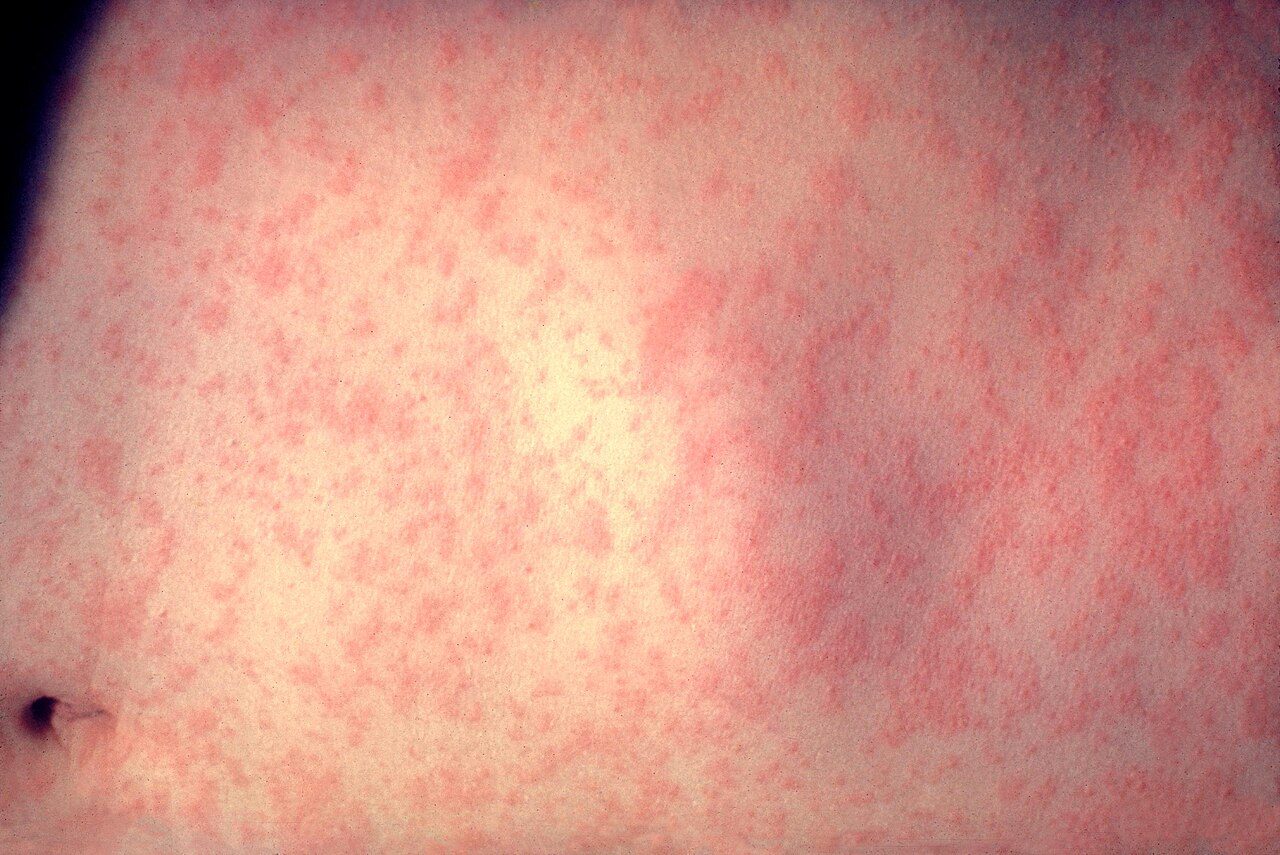
Pennsylvania warns doctors about measles in pregnant women and newborns
Pennsylvania issued a health alert about measles passed from mothers to babies, Ars Technica and CIDRAP reported. The state says 66 pregnant women have had measles in its outbreak, NBC News reported. At least six babies have been born with the disease, CIDRAP reported.
Pennsylvania has warned doctors about measles in pregnant women and newborns, according to Ars Technica and CIDRAP. The state health department issued the alert Monday, Ars Technica reported.
The department said 66 pregnant women in Pennsylvania have been diagnosed with measles since the outbreak began in April, NBC News reported. Ars Technica and CIDRAP reported the same number.
When a mother has measles during pregnancy, the virus can pass to the baby before, during or just after birth, Ars Technica reported. That is called congenital measles. Doctors have said at least six babies in Pennsylvania were born with it, NBC News reported. CIDRAP also said at least six babies were born with measles.
"Getting measles while pregnant increases the risk of miscarriage, early labor, and low birth weight," a department spokesperson said, according to NBC News.
It is not clear how many women miscarried or had sick babies, NBC News reported. The department said state law bars it from releasing those details, NBC News and CIDRAP reported. There is also no national database for these cases, NBC News said.
Pennsylvania had 1,286 measles cases as of October 19, Ars Technica reported. NBC News reported the same total. Of those, 247 people were hospitalized, Ars Technica said. CIDRAP said at least two infants were among the six deaths reported in the state. It is not known if those babies had congenital measles, it said.
Pregnant women who are exposed should get immunoglobulin, a shot of antibodies, but only within six days of exposure, Ars Technica reported.
Babies with congenital measles need long-term follow-up for brain and immune problems, the alert says, according to Ars Technica.
Many doctors have never seen these cases because the measles vaccine has worked so well for decades, Ars Technica reported. Now vaccination rates are falling, it said.
What we know: The state says 66 pregnant women have had measles, and at least six babies were born with it.
What we don't: How many pregnancies ended in miscarriage or harm to babies.
Where outlets agree NBC News, Ars Technica and CIDRAP report that 66 pregnant women in Pennsylvania have had measles in the state's outbreak and that at least six babies have been born with congenital measles.
Where they differ Ars Technica and CIDRAP don't conflict on the facts, though Ars Technica notes that the latest of six reported deaths is still under state review while CIDRAP says at least two of the six were infants.