Netflix's 'New Stanford Prison Experiment' puts 30 people in a real prison
Netflix has put out a new reality show that remakes a famous 1971 prison study, Variety and The Independent reported. Thirty people were sent into part of a real jail to play guards or prisoners. The makers say they added safety steps the first study did not have.
Netflix has released "The New Stanford Prison Experiment," an unscripted series that restages one of psychology's most notorious studies, according to Variety and The Independent. The show premiered Oct. 21.
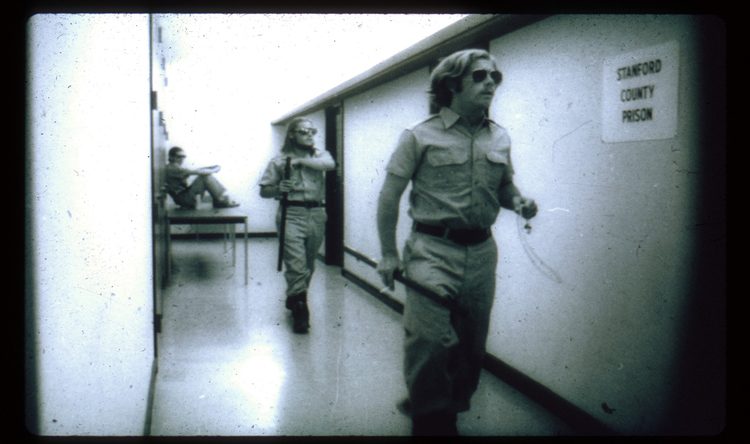
In August 1971, Stanford psychology professor Philip Zimbardo randomly assigned college students to act as prison guards or prisoners in a mock prison, Variety reported. As guards grew more cruel and several prisoners broke down, the study was ended on its sixth day. Variety said it is now seen as a major ethical failure.
The new series asks the same question: Does power corrupt? It places 30 participants in a closed-off section of a working jail, the Adult Detention Center in Cherokee County, Georgia, for two weeks, Variety reported. Eight serve as guards and 22 as prisoners.
The show was made by Jane Lipsitz and Dan Cutforth, the producers behind "Top Chef" and "Project Runway." "We were definitely nervous to take on something that has already failed," Lipsitz said in an interview with Variety. "But we felt the question it was asking was very relevant and important today."
The producers said they used background checks and psychological testing, medics and psychologists on call around the clock, and a safe word that participants could use to leave. Off-duty guards were also on hand. A panel of three experts watched and advised on ethics, Variety reported. Cameras inside the prison were robotic, with no crew in the area.
Unlike the original study, the new cast includes women and people from many backgrounds. Six people dropped out after it became too intense, according to the producers.
"It was much more emotionally intense than physically intense," Lipsitz said. "There were moments of real concern, but the actual prison guards never had to go in and intercede."
Netflix's Tudum site said the series has six episodes. The Independent's review called it a six-part series and said participants could leave at any time by saying a safe word.
What we know: The series is streaming on Netflix and places 30 people in a real jail as guards or prisoners.
What we don't: How viewers and psychologists will judge the show.
Where outlets agree Variety and The Independent both report that the series puts 30 participants in a working jail in Georgia as guards or prisoners, with a safe word to leave.
Where they differ The cited reports agree on the key facts so far.