Trudy's moisture sets up flash flood threat across the Southwest
Moisture from former Hurricane Trudy and a strong Pacific storm will bring days of flood risk to the Southwest this week. The highest risk on Wednesday covers much of Arizona and parts of New Mexico, Colorado and Utah. Forecasters warn of rain falling at up to 2 inches an hour.
Moisture from Hurricane Trudy, now dying off the coast of Mexico, will combine with a strong Pacific storm to bring a multiday flood threat to the Southwest this week, The Weather Channel, The Eyewall and FOX Weather reported Monday.
Trudy was quickly weakening and was forecast to die out offshore of Cabo San Lucas, FOX Weather hurricane specialist Bryan Norcross wrote. Its moisture will feed "a significant rain event" when the Pacific storm moves through, he said.
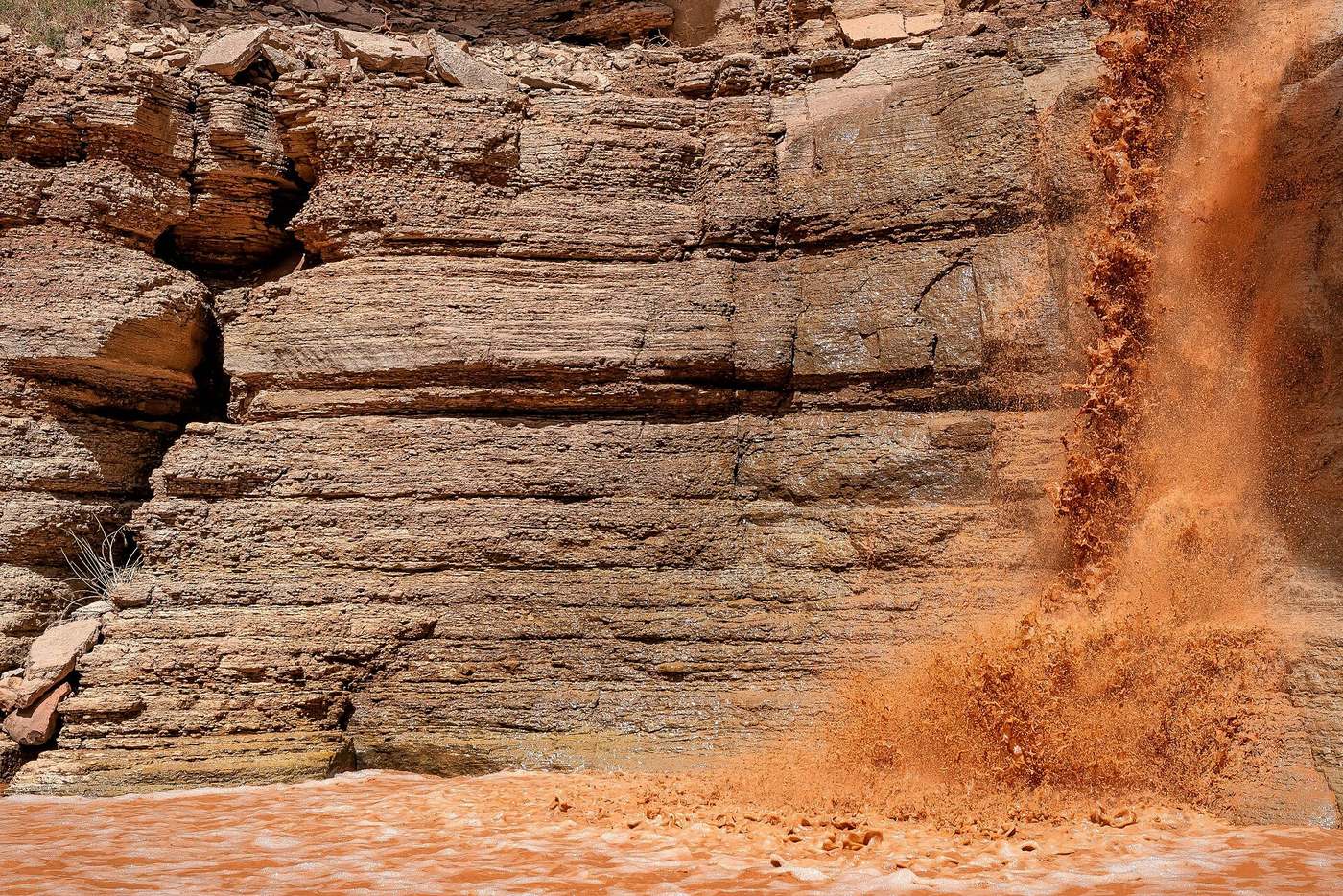
On Wednesday, the highest flood risk covers much of Arizona and parts of New Mexico, along with southern Colorado and Utah, The Weather Channel reported. Storms could "train," or dump heavy rain over the same areas for long periods. The federal Weather Prediction Center forecasts rain rates as high as 2 inches per hour. A big worry is mudslides on recent burn scars and flooding in slot canyons and arroyos. There is also a slight risk of severe storms in Arizona and western New Mexico.
The threat grows Thursday on soaked ground, The Weather Channel reported. Some models point to near-record October moisture in the region. The risk shifts out of California but stays over much of Arizona, Nevada, New Mexico, Colorado and Utah, including Las Vegas, Phoenix, Tucson and Albuquerque. Up to 3 inches of rain could fall across parts of the Desert Southwest, with isolated spots near 5 inches.
The Eyewall's forecast calls for 1 to 3 inches in the mountains northeast of Phoenix and more near Durango, Colo., in the San Juan Mountains, plus about an inch in the mountains around Los Angeles.
High elevations could see the season's first significant snow. Snow levels will be around 8,000 feet in the Sierra, 10,000 feet in northern Arizona and Nevada and 12,000 feet in Colorado, The Eyewall reported. The Weather Channel said most totals will stay under 6 inches, with isolated peaks near a foot.
Visitors to Western national parks should check forecasts daily, The Weather Channel advised.
What we know: Forecasters expect heavy rain and flash flood risk across the Southwest on Wednesday and Thursday.
What we don't: Exactly where the heaviest rain will fall and how high totals will run.
Where outlets agree The Weather Channel, The Eyewall and FOX Weather all report that Trudy's moisture and a Pacific storm will bring heavy rain to the Southwest this week.
Where they differ The cited reports agree on the key facts so far.