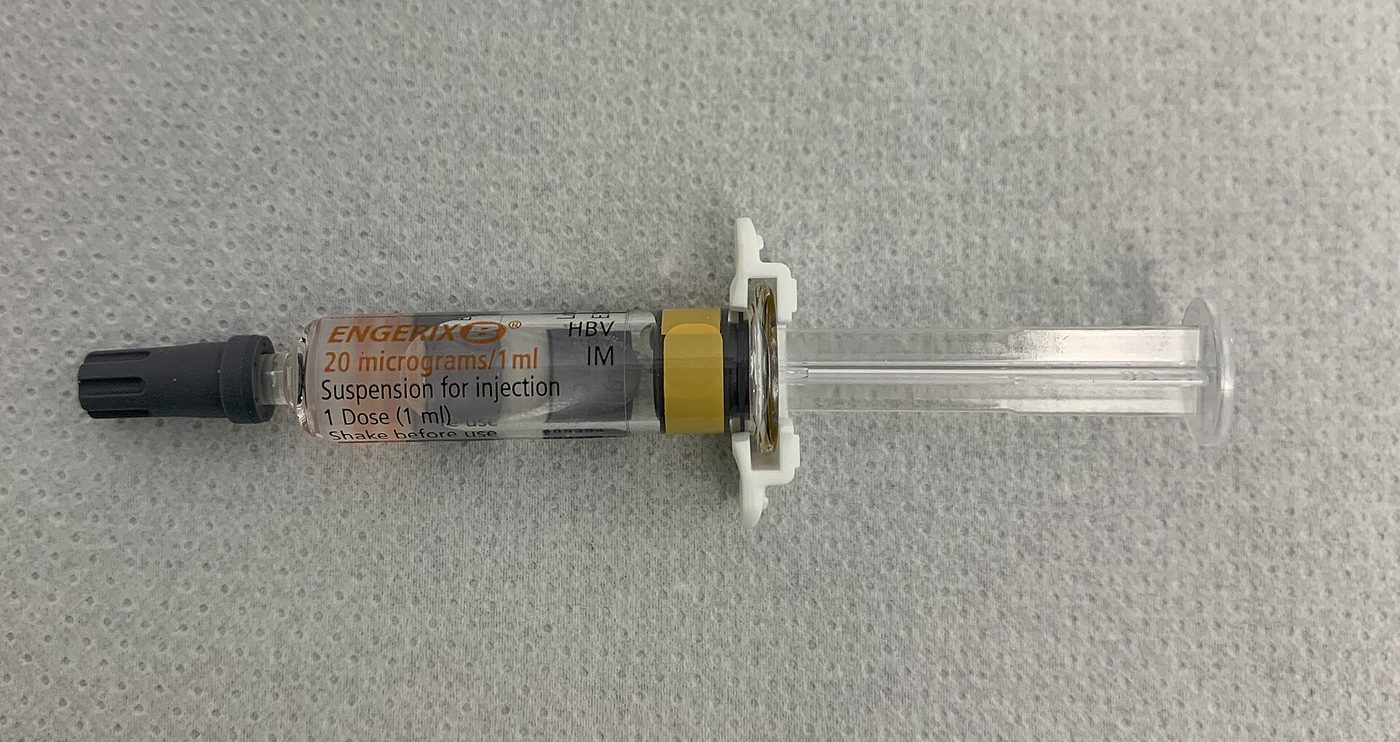
Model finds delaying hepatitis B shots could sharply raise infections
Delaying the hepatitis B shot past birth could sharply raise chronic infections in US children, according to TIME, which reported on a new modeling study. If only about 26% of babies got the shot, chronic cases could rise 225%, the study found. Only TIME has reported it so far.
Delaying the first hepatitis B vaccine dose past birth could sharply increase chronic infections among US children, according to TIME, which reported on a new modeling study published in Annals of Internal Medicine.
In December 2025, the Centers for Disease Control and Prevention stopped recommending the birth dose for babies whose mothers test negative for the virus, TIME reported. Instead, it advised parents and clinicians to decide together on a dose shortly after birth or a first dose "no earlier than 2 months of age," TIME reported. The CDC still recommends a dose shortly after birth for babies of mothers who test positive or whose status is unknown, TIME reported.
The study used computer modeling to follow 3.6 million children born in a single year over their first 20 years, TIME reported. If the first dose is delayed to 2 months and 75% of infants get it, chronic cases would rise 19% compared with giving every child a dose at birth, TIME reported. If only about 26% are vaccinated, an estimate of what could happen under shared decision-making, chronic cases would rise 225%, TIME reported.
Among babies infected before age 1, up to 90% develop chronic, potentially lifelong infection, TIME reported. Untreated early infections bring a 1 in 4 lifetime chance of liver cancer, TIME reported.
"Imagine that happening year after year after year after year," said Amir Mohareb, a Harvard Medical School and Massachusetts General Hospital researcher and an author of the study, according to TIME. "That could quickly become thousands and thousands of new infections," he said.
TIME reported that pediatricians' leading professional group still recommends a birth dose for all infants, and that 15 states have sued the Trump administration over vaccine schedule changes. Two other recent modeling studies also pointed to higher infections or costs from delaying the dose, TIME reported.
What we know: TIME reports that a new model projects big increases in chronic hepatitis B cases if birth doses are delayed.
What we don't: Only TIME has reported this so far; NewsHabit hasn't seen independent confirmation. TIME did not include a response from the CDC.
Where outlets agree This is one outlet's report: TIME is the only outlet NewsHabit has seen covering the study so far.
Where they differ TIME reports the study's projections of sharply higher hepatitis B infections, and the article does not include a response from the CDC or the Trump administration.