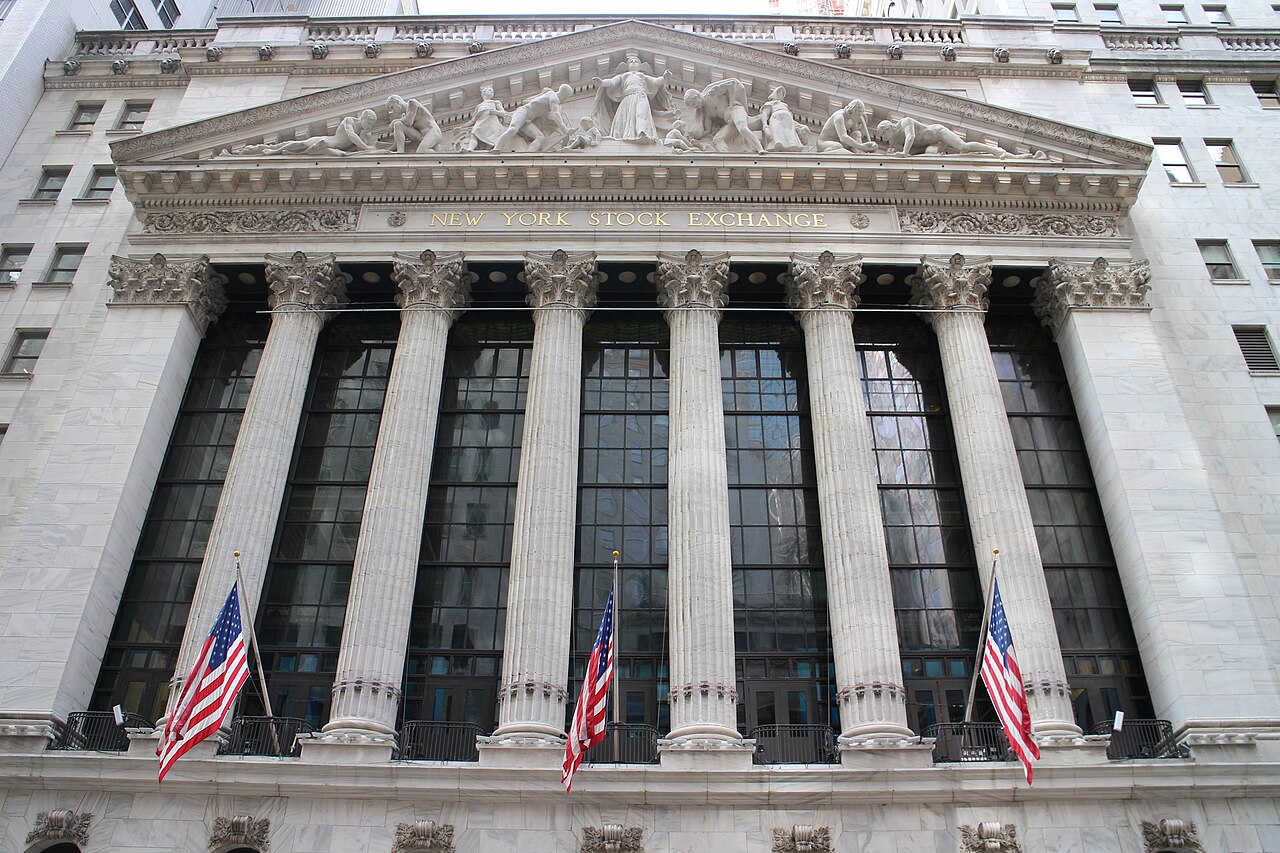
On this day, 1987: Dow plunges 22.6% on Black Monday
On October 19, 1987, the Dow Jones Industrial Average fell 508 points, or 22.6%, in a single day of trading, The New York Times and the AP reported. The crash came to be called Black Monday. Stock markets around the world fell too, but the losses did not lead to a recession.
On October 19, 1987, the Dow Jones Industrial Average fell 508 points, or 22.6%, in one trading session, according to the Federal Reserve History essay on the crash and the Library of Congress business history guide. The day came to be known as Black Monday. The New York Times reported the 508-point, 22.6% drop the next morning, with the Dow closing at 1,738.74 based on early figures. The AP gives the same figures in its Today in History entry.
The Federal Reserve History essay says the drop remains the largest one-day stock market decline in history. The Library of Congress guide compares it to October 29, 1929, which is remembered as Black Tuesday.
Stocks had raced higher in the first half of 1987. By late August, the Dow had gained 44% in seven months, which raised fears of a bubble, the Fed essay says. In mid-October, a larger-than-expected trade deficit and a falling dollar shook investors, and markets began to post large daily losses.
On the Monday itself, markets in and around Asia were already plunging before trading opened in New York, the Fed essay says. Sell orders swamped buyers. New Zealand's market fell 60%. The Library of Congress guide says markets in Australia, Hong Kong, Singapore and Mexico also took a beating, and that people who tried to call their brokers could not get through.
The Fed essay points to a popular product called portfolio insurance, which used options and other derivatives and sped up the selling. Stock, options and futures markets also cleared trades on different timelines.
On October 20, 1987, Fed Chairman Alan Greenspan said the central bank stood ready "to serve as a source of liquidity to support the economic and financial system," the essay says. After the crash, exchanges added rules to pause trading during rapid sell-offs, known as circuit breakers.
The crash was not followed by a recession or a banking crisis, the Fed essay says. The Dow won back 57% of its Black Monday loss in two sessions. The Fed essay says US stocks passed their pre-crash highs less than two years later.
What we know: The Dow fell 22.6% on October 19, 1987, and the Fed moved quickly to supply cash to markets.
What we don't: Whether today's trading pauses would fully stop a crash of that size.
Where outlets agree The New York Times and the AP report that the Dow fell 508 points, or 22.6%, on October 19, 1987, matching the Federal Reserve History essay.
Where they differ The cited reports agree on the key facts so far.