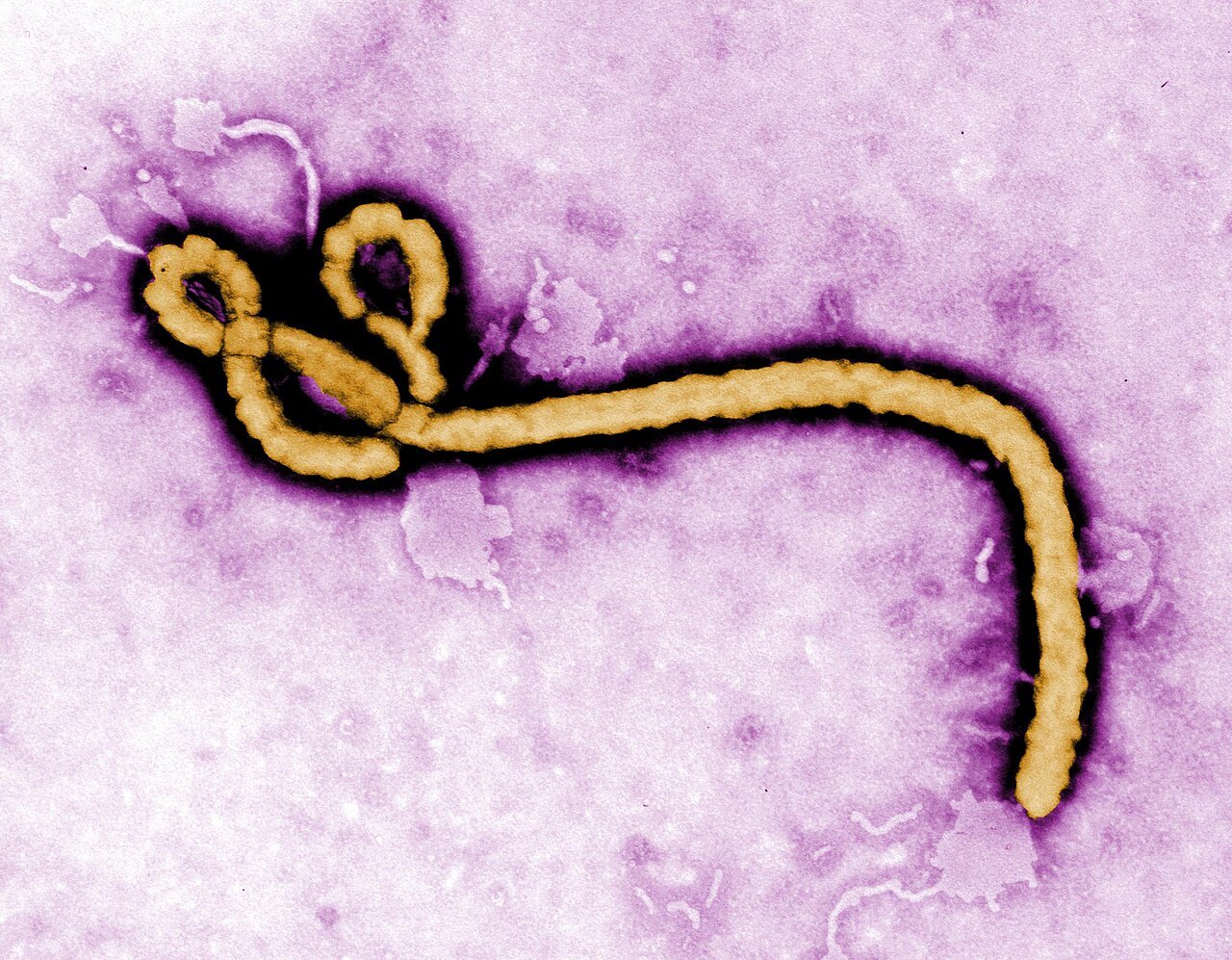
Ebola reaches Congo's North Ubangi province on Central African Republic border
Ebola has spread to North Ubangi, a Congo province on the border with the Central African Republic, Reuters and RFI reported. Two cases have been confirmed there, but officials have not yet announced them. The outbreak has passed 9,000 cases and 4,000 deaths, Reuters and CBC News reported.
Congo's Ebola outbreak has spread to North Ubangi, a province in the northwest that borders the Central African Republic, Reuters and RFI reported. Two cases have been confirmed there, but Congolese authorities have not yet announced them officially, Reuters and RFI reported. Reuters, citing two health officials on Thursday, reported that North Ubangi is the eighth province hit by the outbreak.
RFI reported that one of the two people is sick and the other has died, and that both are in the Wapinda health zone, a mining area. Reuters reported that a health official in North Ubangi said a series of suspected deaths in a mining area in Wapinda had led to lab tests.
RFI reported, citing a source close to the case, that the new cases may be linked to earlier ones in neighboring South Ubangi province. Authorities have sent a response team of seven experts to the area to trace and isolate high-risk contacts, RFI reported.
The outbreak, caused by the Bundibugyo species of Ebola, was declared in mid-May, Reuters reported. It has grown to more than 9,000 cases and more than 4,000 deaths, Reuters and CBC News reported. CBC News, citing Congo's public health institute, put the toll as of October 15 at more than 9,200 confirmed cases and more than 4,400 deaths. Reuters called it the second-largest Ebola outbreak on record, and CBC News called it the largest and deadliest in Congo's history.
Ituri province is still the center of the outbreak, Reuters and CBC News reported. CBC News reported that just over a quarter of the deaths are children, and that the World Health Organization estimates the death rate among children at 60% compared with 40% for adults. At least 1,900 children are estimated to have been separated from their caregivers, CBC News reported.
The outbreak has also reached Uganda, which was declared Ebola-free in August, and Kenya, Reuters reported.
What we know: Two Ebola cases have been confirmed in North Ubangi, a province on the Central African Republic border, but not yet officially announced.
What we don't: Whether the virus has spread further in the province, or across the border.
Where outlets agree Reuters and RFI report two confirmed Ebola cases in North Ubangi, a province bordering the Central African Republic, not yet officially announced.
Where they differ The outlets cited here report the same key facts so far.