Trump waives new Russia sanctions and tariffs before they take effect
President Donald Trump has waived many of the Russia sanctions and tariffs in a law he signed in September, CNBC and the BBC reported. The order came days before the penalties were due to start. The law would have let the U.S. put tariffs of up to 100% on top buyers of Russian oil and gas.
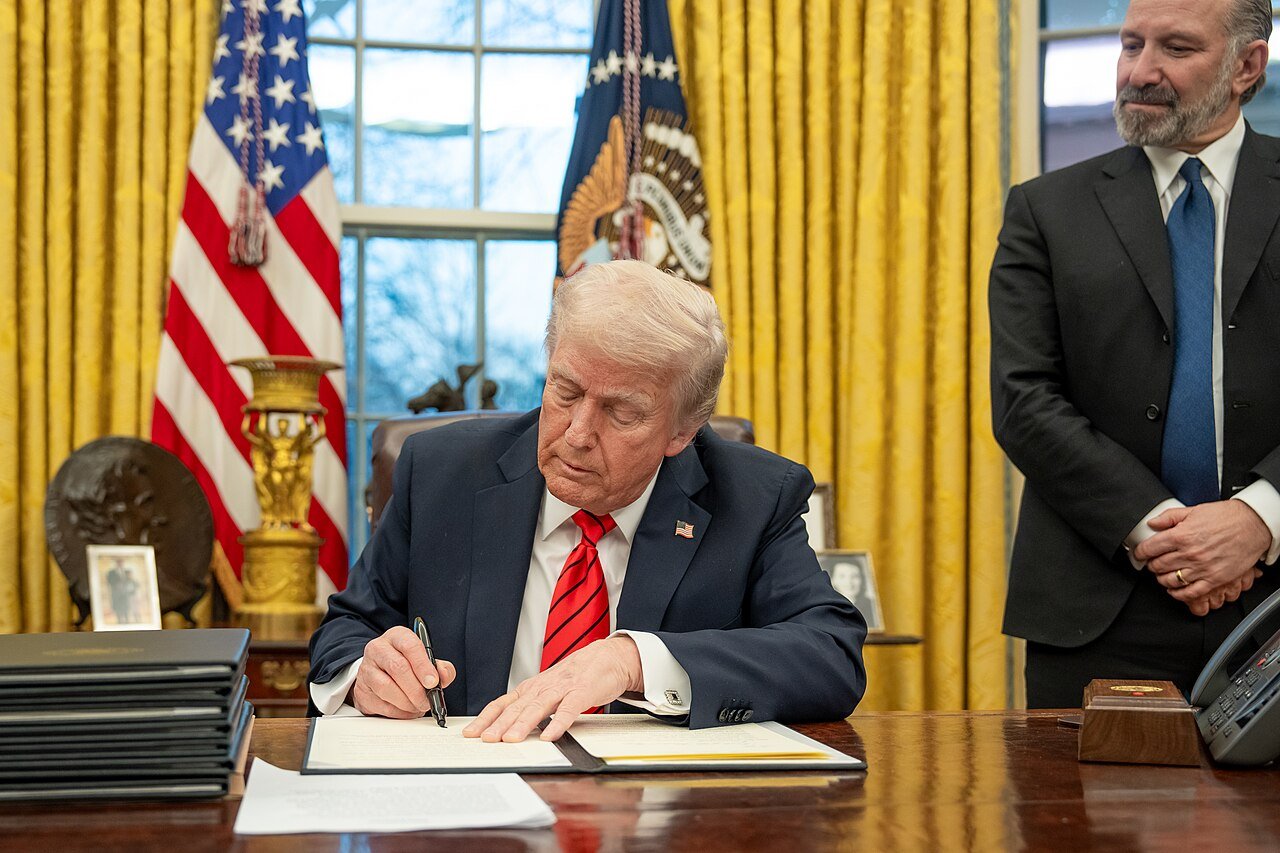
President Donald Trump on Friday issued an executive order waiving key sanctions, restrictions and tariffs under the Lindsey O. Graham Sanctioning Russia and Iran Act of 2026, CNBC and the BBC reported. The BBC reported that the move came two days before the measures were due to take effect. Trump signed the law in September.
The law was meant to increase pressure on Russia over its invasion of Ukraine, CNBC reported. It would have imposed tariffs of up to 100% on goods from the five largest importers of Russian crude oil or gas, CNBC reported. China and India are among the biggest buyers of Russian oil, CNBC and the BBC reported. The law also included sanctions on senior Russian figures, including Putin, on Russian financial institutions and on Moscow's "shadow fleet" of vessels, and many of these provisions have now been waived, the BBC reported.
"I have submitted to the Congress a certification that the issuance of such a waiver at this time is in the national interests of the United States," Trump said in the order. The waiver will stay in effect until Trump or his top officials decide that "further action is appropriate," CNBC reported. The law lets the president waive sanctions by informing Congress that they are not in the national interest, CNBC reported.
Rep. Don Beyer, a Virginia Democrat, criticized the move. "Trump's latest surrender to Putin again betrays our Ukrainian partners and defies clear congressional intent of legislation designed to punish Russia for its illegal war of aggression," Beyer said, according to CNBC and the BBC. Russian envoy Kirill Dmitriev called the waiver "an important and truly historic moment," the BBC reported.
The waiver comes as relations between Trump and Ukrainian President Volodymyr Zelensky have frayed after a U.S. deal to import Russian diesel, the BBC reported. Analysts have said the new measures could have pushed oil prices higher weeks before the midterm elections, CNBC reported.
What we know: Trump has waived key sanctions and tariffs under the Graham Act, and the waiver stays in place until his administration decides otherwise.
What we don't: Which parts of the law, if any, remain in force, and how Congress and Ukraine will respond.
Where outlets agree CNBC and the BBC both report that Trump waived sanctions and tariffs under the new Russia law days before they were due to take effect.
Where they differ The outlets cited here report the same key facts so far.
That’s the last story in this edition. See every brief from Sat, Oct 17, 2026.