China proposes export curbs on 40 technologies, including AI and solar
China has proposed new export limits on 40 technologies, including AI and solar power, AP and Reuters reported. Twenty-three of them involve AI, such as large models and AI agents. Reuters said using Chinese AI through apps, websites or APIs would not be covered, and that public comment on the plan closes November 15.
China has proposed banning or restricting exports of 40 technologies that span AI, chips and solar power, AP reported, in a draft update to the country's list of technologies that face export bans or limits. Reuters reported that the 40 technologies cover AI, biotechnology and solar power. The Ministry of Commerce and the Ministry of Science and Technology published the draft jointly, according to AP.
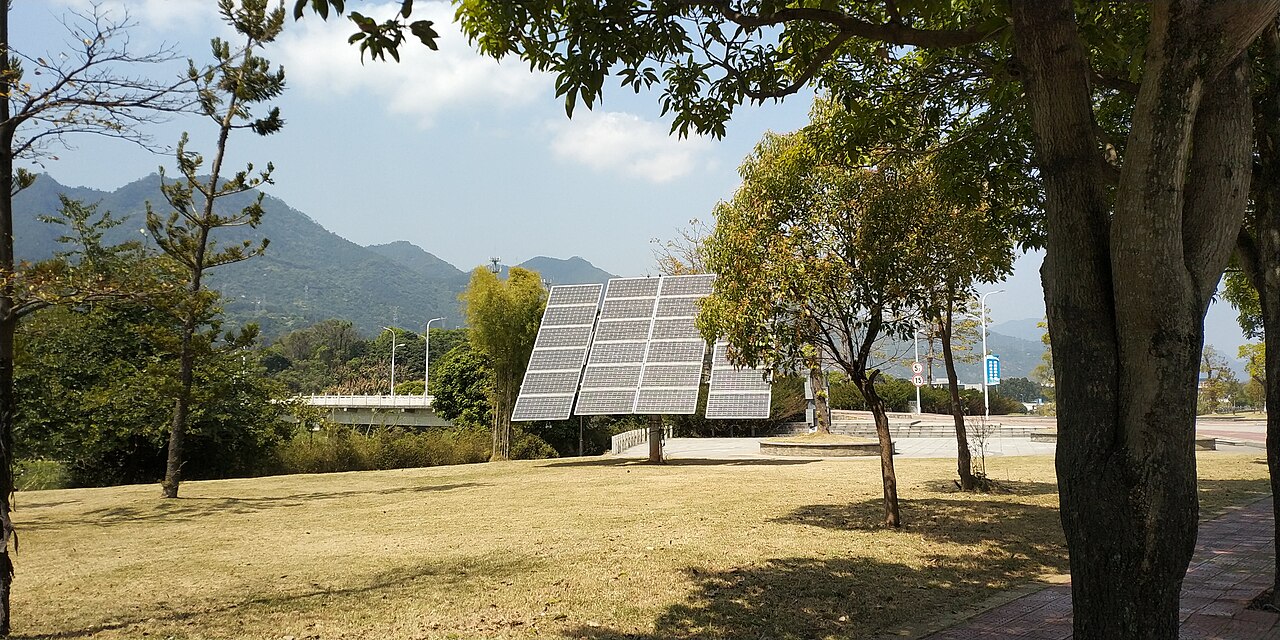
Twenty-three of the technologies involve AI. AP reported that they range from advanced large models to agents, and Reuters reported that they include models, agents and computing clusters. Exports of core technologies for large models trained on sensitive national data would be banned, along with AI agents designed for highly sensitive settings such as national defense and critical information infrastructure, AP reported. AI models with 2 trillion or more parameters, or with certain world-leading capabilities, could be restricted, according to AP. AP also reported that several chip design technologies are on the list, along with 12 solar power technologies, including some used to make polysilicon.
Reuters reported that the controls would cover overseas deployment of AI models containing restricted technology but would not cover access through APIs, websites, apps or software-as-a-service platforms. That could let Chinese developers such as DeepSeek and Alibaba keep expanding abroad, Reuters reported. Technology already released as open source or published in academic papers would be outside the controls, according to Reuters.
A commerce ministry spokesperson called the move necessary and cited national security, AP reported. "The Chinese government is implementing such necessary measures with the aims of reinforcing the security bottom line, preventing misuse and abuse, and ensuring that AI remains under human control," the ministry's statement said, according to AP.
Lian Jye Su, a chief analyst at Omdia, said the move "can be seen as a response to Western countries posting sovereignty requirements on AI, robotics, telecommunications, and other key technologies," AP reported. Gary Ng, a senior economist at Natixis, said, "The world is getting more fragmented in trade and investment, but also in access to technologies," according to AP.
Exporters must register certain overseas technology transfers starting Friday, and public consultation on the proposals closes November 15, Reuters reported.
What we know: China has proposed export curbs on 40 technologies, 23 of them in AI, with public comment open until November 15.
What we don't: Which AI models would be affected, since the proposal did not name specific models, according to AP, and what the final rules will say.
Where outlets agree AP and Reuters report that China proposed export controls on 40 technologies, including 23 in AI, covering areas such as AI and solar power.
Where they differ The outlets cited here report the same key facts so far.