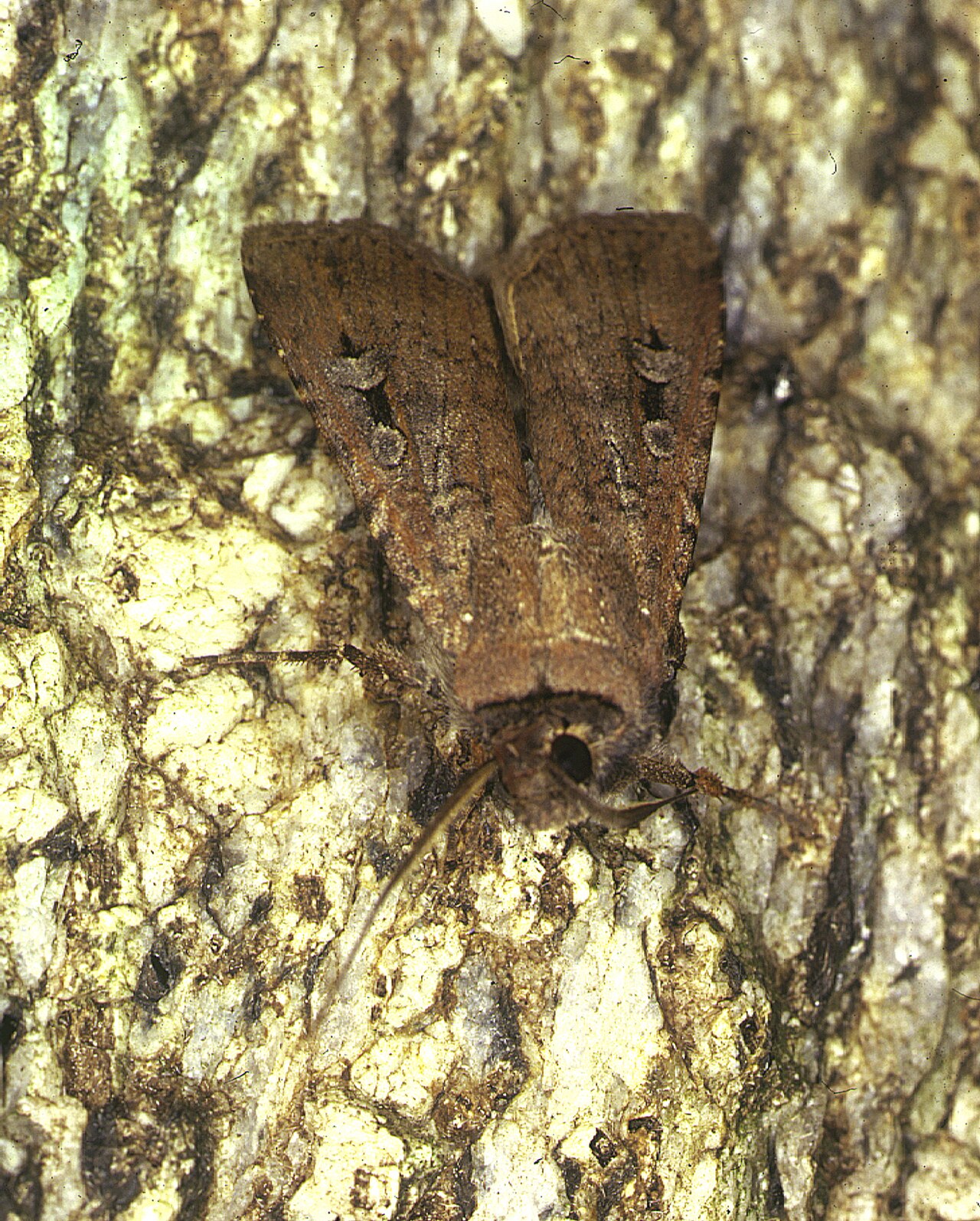
Bogong moth swarms may be appearing as fake rain on NSW radars
Weather radars in eastern New South Wales may be picking up swarms of bogong moths as rain, Australia's weather bureau said, according to Guardian Australia and news.com.au. Large numbers of insects can look like light rain, especially near sunrise and sunset. Scientists say the radar data could help them track the endangered moths.
Weather radars across eastern New South Wales may be picking up swarms of migrating bogong moths as rain, a spokesperson for Australia's Bureau of Meteorology said, according to Guardian Australia and news.com.au. The moths are on their long migration to the Australian Alps, Guardian Australia reported.
Guardian Australia cited an ABC meteorologist who said widespread rain was appearing on the radar "every single night" around Sydney, often where no rain fell. News.com.au reported that bureau maps showed rain every night for weeks along much of the eastern coast of New South Wales and Victoria, even though a fair few nights were clear.
The bureau spokesperson said large numbers of insects can look like very light widespread rain, particularly near sunrise and sunset, according to Guardian Australia and news.com.au. The spokesperson said radars have shown more echoes that are not rain, but fully blaming the moths was hard because other factors, such as temperature inversions, can cause similar effects, Guardian Australia reported. Some newer dual-polarisation radars, including those at Terrey Hills north of Sydney and at Yeoval in central-west New South Wales, may be able to filter out insect signals, the spokesperson said, according to news.com.au.
"Essentially, individual insects are tiny targets, but when there are millions of them, they can produce signals that resemble rain," Professor Dieter Hochuli, an insect expert at the University of Sydney, said, according to news.com.au. He said weather radars are "actually useful tools" for studying insects that fly at night.
The radar data could be "absolute gold" for scientists, said Dr Kate Umbers, a zoologist at Western Sydney University who studies where bogong moths breed and how they travel, according to Guardian Australia. She said one of the questions the data raises is: "How many bogong moths equals heavy rain?"
Bogong moths were listed as endangered on the IUCN Red List in 2021 and face threats including drought, climate change and light pollution, news.com.au reported. Guardian Australia reported that their alpine habitat is still threatened by global heating and that many sightings in cities may not mean the population is booming. Asked when the migration would end, Hochuli said it was hard to predict but guessed "a few more weeks, around the end of October," according to news.com.au.
What we know: The weather bureau says it is possible its radars in eastern New South Wales are detecting bogong moths as rain.
What we don't: How much of the false rain comes from moths rather than other effects such as temperature inversions.
Where outlets agree Guardian Australia and news.com.au report that the Bureau of Meteorology says it is possible radars in eastern New South Wales are detecting bogong moths, which can look like light rain near sunrise and sunset.
Where they differ The outlets cited here report the same key facts so far.