Florida dengue cases reach 368 as Tampa Bay counties extend emergencies
Florida has 368 cases of dengue spread by local mosquitoes this year, most of them in Hillsborough County. Pinellas County added 17 cases in one week as the outbreak spreads. Both counties on Thursday extended their mosquito emergency orders through Oct. 22.
Florida's count of locally acquired dengue cases has reached 368 this year, and Hillsborough and Pinellas counties on Thursday extended their local states of emergency through Oct. 22, WUSF and WTSP reported.
Hillsborough County has 310 of the state's cases, the outlets reported, and it added 51 in the latest weekly state report, WUSF said. Pinellas County has 37 cases after adding 17 in a week, WUSF said, as the outbreak shows signs of spreading across Tampa Bay. Pasco County has four cases and Polk County one, WTSP reported.
The figures come from the state's weekly surveillance report covering Oct. 4 to 10, WUSF reported. Statewide, 72 new locally acquired cases were reported that week. Health officials say the true number of infections is likely higher because most people with dengue have no symptoms and may never be tested, WUSF reported.
"We're still seeing an increase in those numbers, especially in the Hillsborough and now actually the Pinellas area," Jenifer McBride of the Lee County Mosquito Control District told WINK News. As people move between counties, they carry the virus with them, she said.
The counties first declared emergencies near the end of September and had previously extended them through Oct. 15, WTSP reported. Pinellas is running fogging and larvicide trucks daily and has hired extra trucks, while Hillsborough is using aerial and ground spraying and door-to-door visits in hot spot neighborhoods, WUSF said.
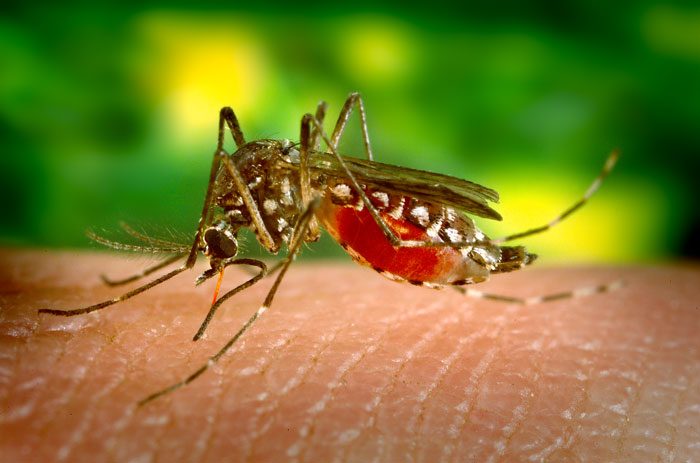
Dengue is spread by the bite of an infected Aedes mosquito, WTSP noted. Common symptoms include fever, aches, nausea, vomiting and rash, and most people recover in about a week, though it can rarely be serious or fatal. There is no specific medicine to treat it.
Officials urge residents to empty standing water around their homes, use insect repellent and wear long sleeves and pants outdoors, both outlets reported. Florida has also recorded 288 travel-related dengue cases this year, mostly in Miami-Dade County, according to WUSF.
What we know: Florida has 368 local dengue cases, and two counties extended emergencies through Oct. 22.
What we don't: Whether the outbreak will keep spreading as the weather cools.
Where outlets agree WUSF and WINK News both report 368 local cases statewide this year and a rise in cases in Pinellas County.
Where they differ The outlets cited here report the same key facts so far.