Ocasio-Cortez joins El-Sayed on Senate campaign swing through Upper Peninsula
Alexandria Ocasio-Cortez went on the road with Abdul El-Sayed, the Democrat running for Senate in Michigan, in the rural north of the state on Thursday. More than 1,200 people came to their last stop in Marquette, Michigan Public reported. NBC News and the Washington Examiner said the trip tests if the left can win votes past its base.
New York Rep. Alexandria Ocasio-Cortez joined Michigan Democratic Senate nominee Abdul El-Sayed for a three-stop campaign swing through the state's Upper Peninsula on Thursday, Michigan Public reported.
About 500 people packed a pavilion at the U.P. State Fairgrounds in Escanaba for a lunchtime town hall, Michigan Public said. Delta County, where Escanaba sits, backed Donald Trump over Kamala Harris 64-34 in 2024. "Maybe we even have some Republicans that are having an open mind today," Ocasio-Cortez told the crowd. El-Sayed pitched Medicare for All, criticized plans to grow the military budget and warned of a coming crisis for rural health care.
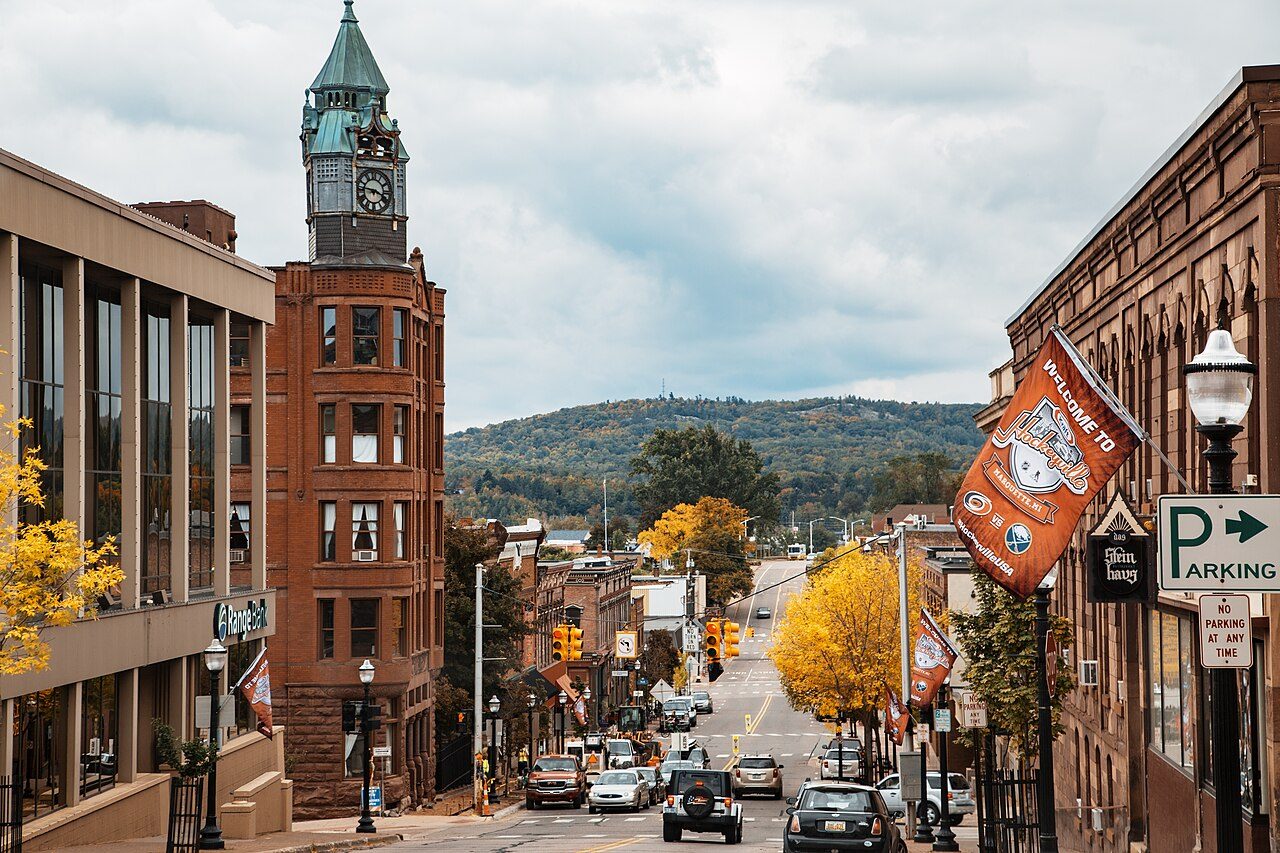
After a second town hall in Iron Mountain, the tour ended with a rally of more than 1,200 people at Northern Michigan University's Vandament Arena in Marquette, Michigan Public reported. There, Ocasio-Cortez went after El-Sayed's Republican opponent, Mike Rogers, over his ties to the drug industry. "When you're sick, who do you call? A doctor, not a drug company, and certainly not a politician paid by them," she said.
NBC News reported that the region has long been a Republican stronghold, though El-Sayed won all three counties on the tour in his primary. Harris carried Marquette County in 2024, NBC said. Ocasio-Cortez wants to show that progressive candidates can persuade swing voters, NBC reported, citing her remark at a fundraiser this month: "If Abdul can win in Michigan, anybody can win anywhere."
The Washington Examiner, previewing the trip, reported that a win would strengthen her case that progressives can win battleground states, while a loss would hand party moderates an argument. "AOC's brand as the 'young leader' of the progressives is at stake," strategist Matt Klink told the Examiner. Rogers has sought to make El-Sayed's comments on Israel a campaign issue, the Examiner said.
What we know: Ocasio-Cortez and El-Sayed held three Upper Peninsula events Thursday, ending with a rally of more than 1,200 in Marquette.
What we don't: Whether the push will win over voters outside the Democratic base in November.
Where outlets agree Michigan Public, NBC News and the Washington Examiner all report that Ocasio-Cortez joined El-Sayed's campaign in the Upper Peninsula to court voters beyond the Democratic base.
Where they differ The outlets cited here report the same key facts so far.