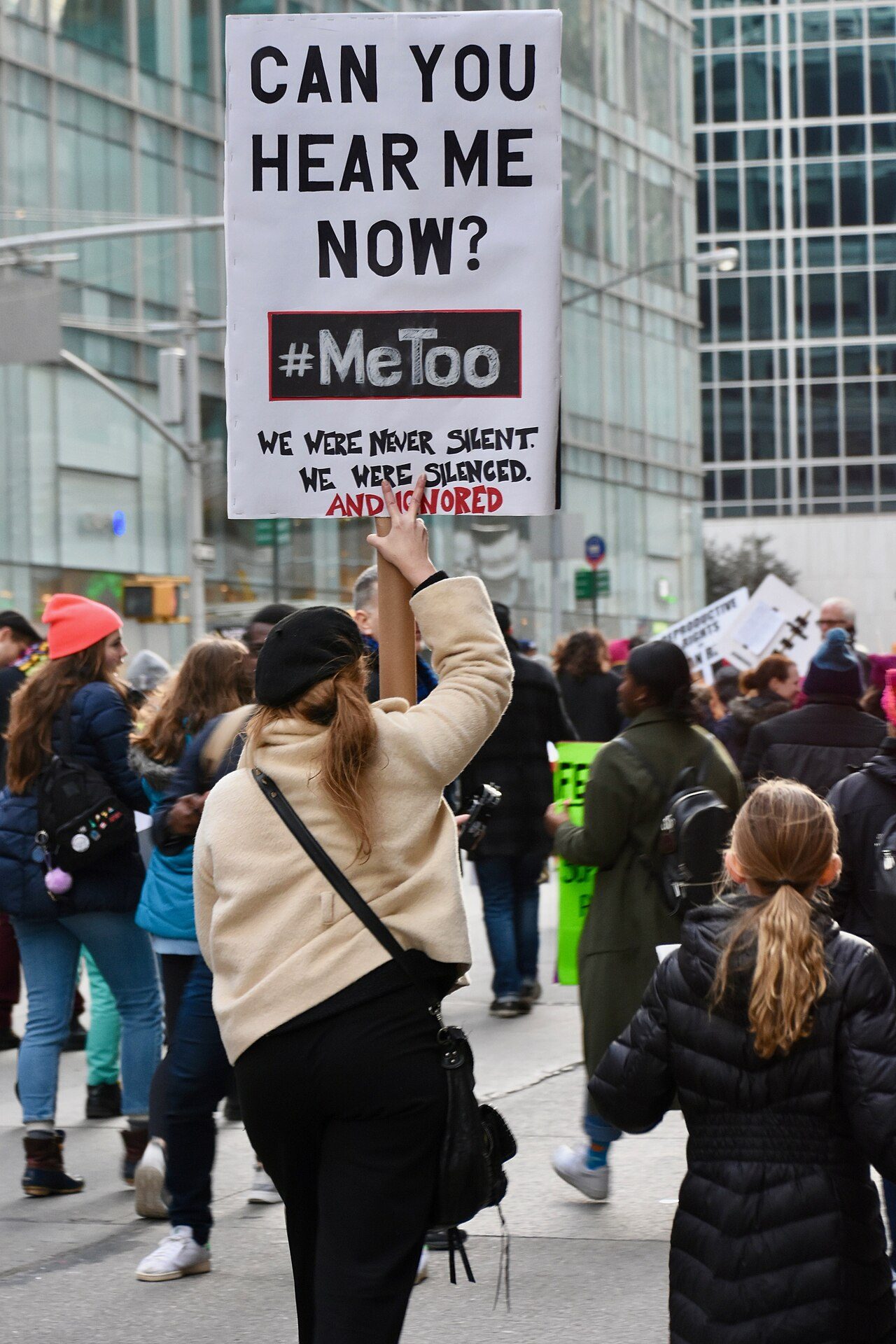
On this day, 2017: Alyssa Milano's "me too" call spreads worldwide
On Oct. 15, 2017, actress Alyssa Milano asked people who had been harassed or assaulted to reply "me too" on Twitter, CNN and The Guardian reported. Within days, millions of people shared their own stories online. The two words grew into a movement around the world.
On Oct. 15, 2017, actress Alyssa Milano posted a call on Twitter that turned two words into a rallying cry against sexual harassment and assault, CNN and The Guardian reported.
"If you've been sexually harassed or assaulted write 'me too' as a reply to this tweet," Milano wrote, CNN reported. Her post shared a note suggested by a friend: if all the women who had been harassed or assaulted wrote "Me too," it "might give people a sense of the magnitude of the problem."
The call came days after allegations of sexual misconduct against Hollywood producer Harvey Weinstein, both outlets reported. Weinstein denied any allegations of nonconsensual sex, CNN reported.
Social media was flooded with messages that Sunday, mostly from women, CNN reported. Famous people and many others shared their stories.
Within days, millions of women and some men had used Twitter, Facebook and Instagram to tell of harassment and abuse, The Guardian reported. Nearly 68,000 people replied to Milano's tweet, and the hashtag was used more than 1 million times.
Facebook said 4.7 million people around the world joined the conversation within 24 hours, The Guardian reported. They made more than 12 million posts, comments and reactions.
The idea spread in other languages too, The Guardian reported. French users posted with #balancetonporc, and Spanish users with #YoTambien.
The phrase had roots long before social media, The Guardian reported. Activist Tarana Burke created "Me Too" as a grassroots campaign to reach sexual assault survivors in poor communities.
"It made my heart swell to see women using this idea," Burke wrote, according to The Guardian.
The story moved beyond any one man and became a conversation about how men treat women and the imbalance of power, The Guardian reported.
What we know: Milano's Oct. 15, 2017, post set off a wave of #MeToo stories around the world.
What we don't: How many people shared their stories in total.
Where outlets agree CNN and The Guardian both report that Milano's call came after the sexual misconduct allegations against Harvey Weinstein.
Where they differ The outlets cited here report the same key facts so far.