Mothers' cells may live in children's brains for life, study suggests
A study that has not yet been peer-reviewed found cells from mothers in the brains of 26 of 37 children, New Scientist and Live Science reported. The cells had turned into several kinds of brain cells, including neurons. Foreign cells, likely from mothers, were seen in people from before birth into their 90s, Live Science reported.
Cells from a mother may settle in her child's brain before birth and stay there for life, according to a study that has not yet been peer-reviewed, New Scientist and Live Science reported.
The findings were posted to the preprint server bioRxiv in June, Live Science reported. A team led by Sami Kanaan at the Fred Hutchinson Cancer Center in Seattle studied brain tissue removed from 37 children during surgery for epilepsy, both outlets reported. The researchers compared it with DNA from cheek swabs taken from the children's mothers.
They found maternal cells in 26 of the 37 children, both outlets reported. On average, each sample had about 2.2 maternal cells per 100,000. One sample from the hippocampus had 459 per 100,000, Live Science reported.
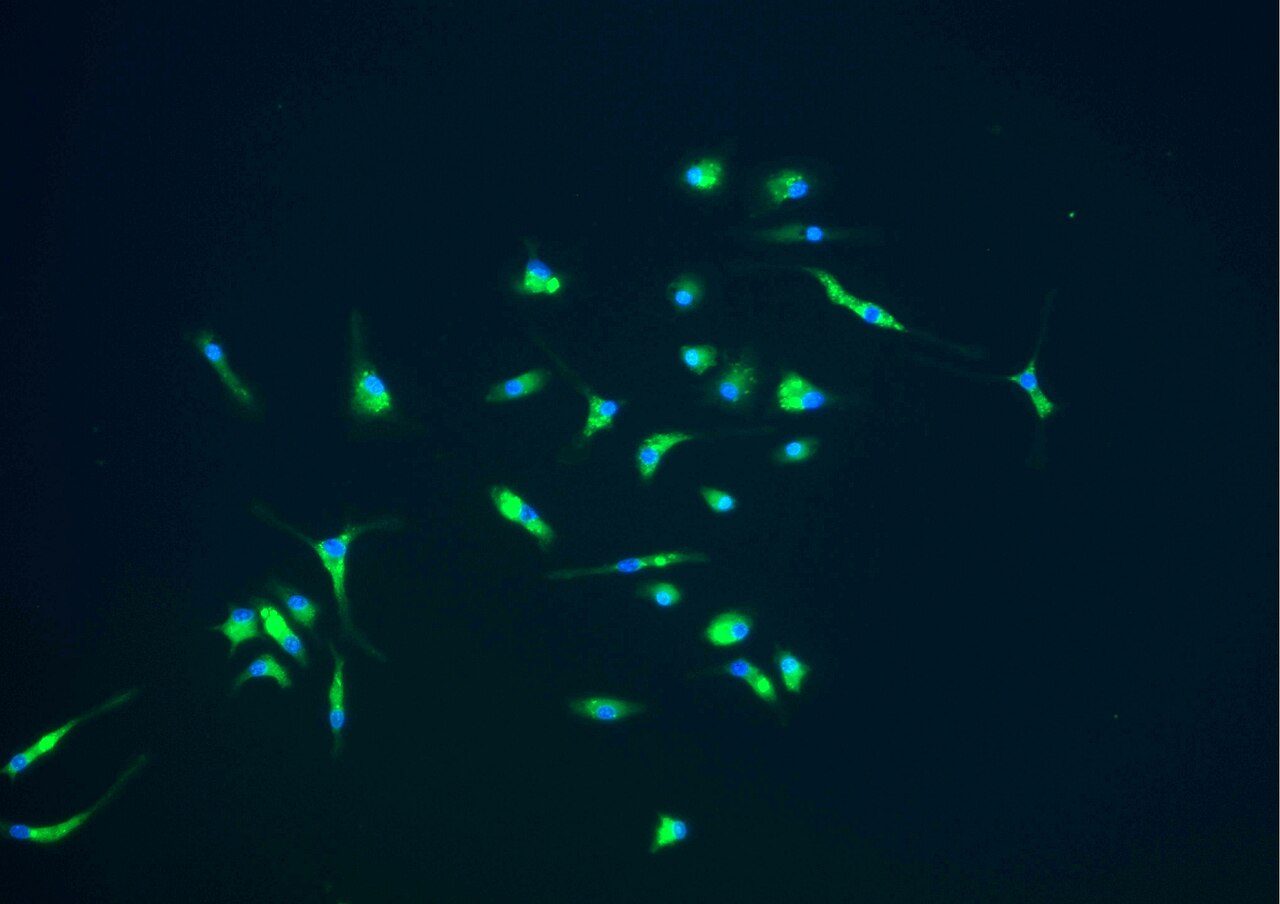
The cells had become several kinds of working brain cells, including neurons, microglia, astrocytes, oligodendrocytes and cells that line blood vessels, both outlets reported. Firstborn children seemed more likely to carry them, Live Science reported.
The team also looked at data from brains of people without epilepsy, from a fetus at 22 weeks of pregnancy to people in their 80s and 90s. It found foreign cells in 25 of 32 people, including a man in his 90s, Live Science reported. The researchers suspect the cells are maternal but could not confirm it without the mothers' DNA. The number of cells fell with age but never disappeared.
"It is crazy that we found them in gestational samples," Kanaan told New Scientist.
Hina Chaudhry of Mount Sinai in New York, who was not involved, told New Scientist that "every human brain is likely a genetic mosaic of more than one person." Amy Boddy of the University of California, Santa Barbara, told Live Science the methods are "cutting-edge" but the count is probably too low.
What we know: A preprint found maternal cells working as brain cells in most of the children studied.
What we don't: What the cells do in the brain, and whether the results hold up in peer review.
Where outlets agree New Scientist and Live Science both report maternal cells in 26 of 37 children, at about 2.2 cells per 100,000 on average.
Where they differ New Scientist says the children ranged from newborns to 14-year-olds, while Live Science puts their ages at 28 days to 19 years.