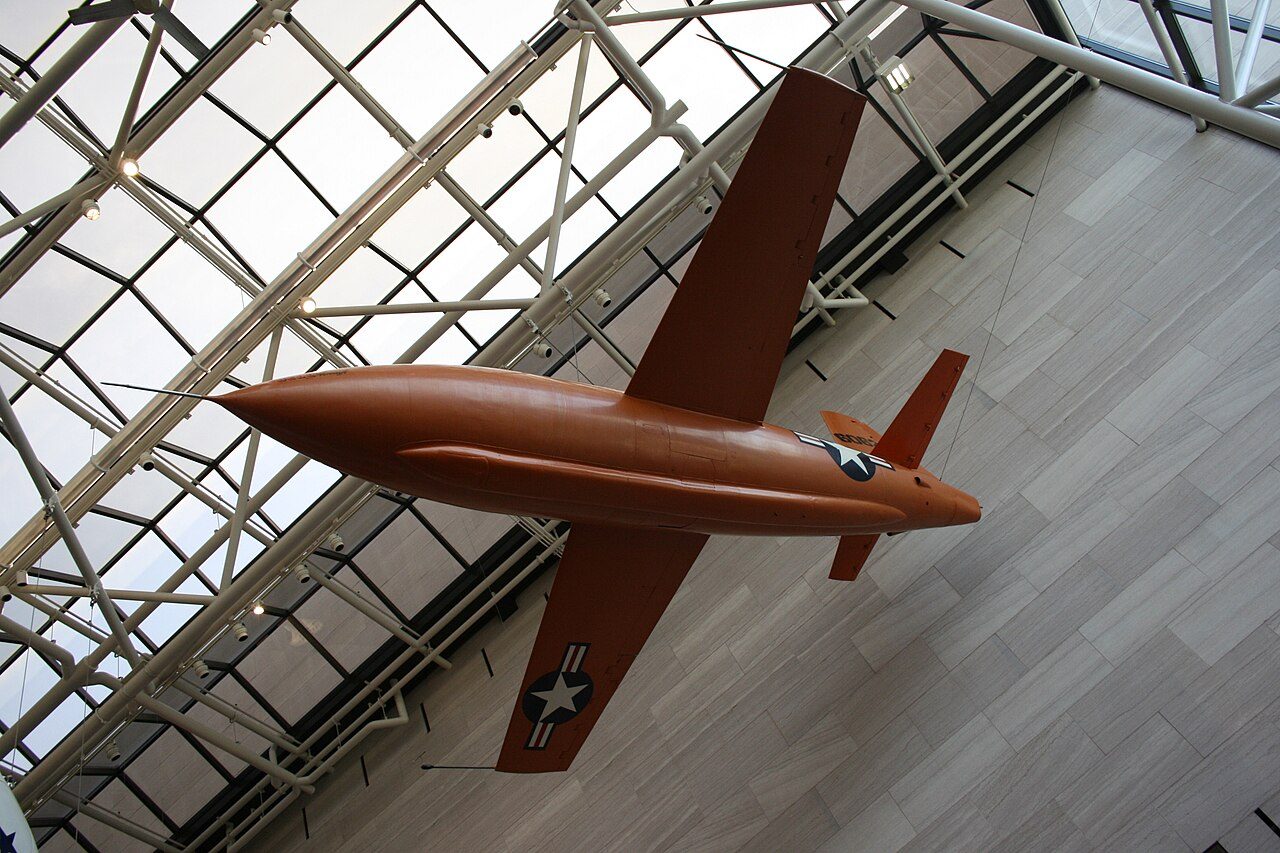
On this day, 1947: Chuck Yeager flies faster than sound
On this day in 1947, test pilot Chuck Yeager became the first person to fly faster than the speed of sound. NASA says his Bell X-1 rocket plane reached Mach 1.06. The flight proved that the feared sound barrier could be broken.
On this day in 1947, U.S. Air Force Captain Chuck Yeager became the first person to fly faster than the speed of sound. He did it in the Bell X-1, a small rocket plane, over Rogers Dry Lake in Southern California, HISTORY.com reports.
For years, many aviators believed supersonic flight was impossible. HISTORY.com says some theorized that transonic drag rise would tear any aircraft apart. A NASA history says engineers had almost no wind tunnel data on flight beyond Mach 0.85 at the time.
The experimental X-1 did not take off under its own power. Both sources say it rode up in the bomb bay of a B-29 bomber and was dropped in flight, after which Yeager fired the rocket engine and climbed. NASA says Yeager was flying in pain from two broken ribs, which he had hurt in a horseback riding accident, and that he told almost no one.
NASA says Yeager reached 700 miles per hour, Mach 1.06, at 43,000 feet, while HISTORY.com puts the plane at 40,000 feet. The flight was smooth, with no violent buffeting and no loss of control as some engineers had feared, the NASA history says. HISTORY.com notes that the speed of sound at that height was about 662 miles per hour.
Yeager named the aircraft Glamorous Glennis in honor of his wife. HISTORY.com says he had flown 64 combat missions over Europe during World War II and shot down 13 German planes.
What we know: Yeager broke the sound barrier in the Bell X-1 on October 14, 1947.
What we don't: The cited sources do not agree on the exact altitude of the record flight.
Where outlets agree NASA and HISTORY.com both say Yeager broke the sound barrier in the Bell X-1 on October 14, 1947.
Where they differ NASA says Yeager hit Mach 1.06 at 43,000 feet, while HISTORY.com says the plane climbed to 40,000 feet.