Report says 7 of Earth's 16 climate 'vital signs' hit records
A yearly report on Earth's climate says 7 of 16 key warning signs are at record levels. They include the amount of carbon dioxide in the air, the heat stored in the ocean and the height of the sea. Scientists also pointed to good news, like the fast growth of renewable energy.
Earth's climate is changing faster and faster, according to the latest yearly "State of the Climate" report, published Wednesday in the journal BioScience, Scientific American and Eos reported.
The report tracks 16 "vital signs" of the planet's health, such as greenhouse gas levels, ocean heat and the size of major ice sheets, both outlets said. Seven of them have reached record extremes, said co-author Christopher Wolf, a research scientist at Terrestrial Ecosystems Research Associates, according to Scientific American.
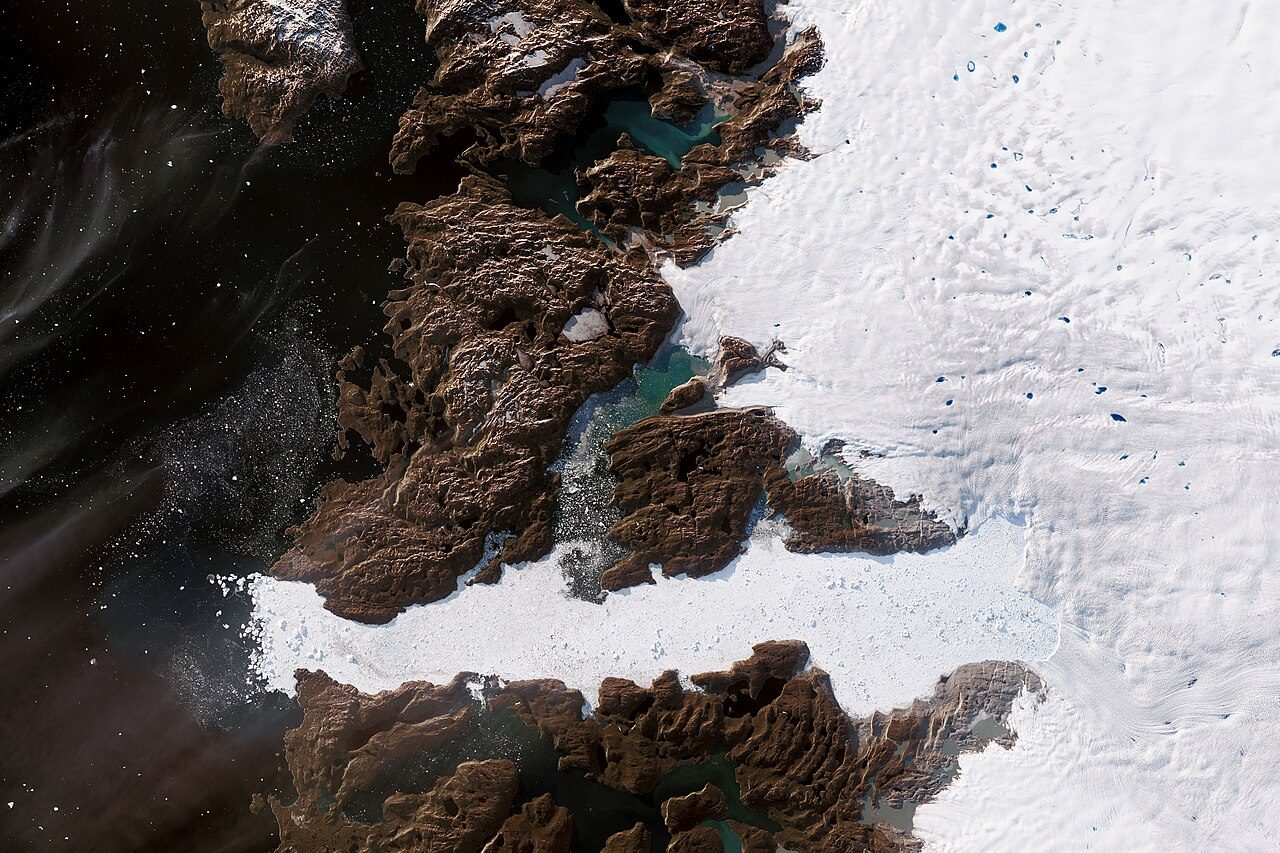
The records include global sea level, ocean heat, glacier thickness, the mass of the Greenland ice sheet and the levels of the three most common greenhouse gases, Eos reported.
Carbon dioxide in the air reached 428 parts per million, both outlets said. Eos reported that is about 50% higher than before the industrial era.
The rate of warming has roughly doubled, from about 0.19 degrees Celsius per decade between 1970 and 2010 to about 0.36 degrees per decade since, Eos reported. World use of oil, coal and gas rose 0.9% in 2025.
"This is no longer a warning for the future; it is a diagnosis of the present," the authors wrote, Scientific American reported.
Scientists are concerned about tipping points, both outlets said. These are changes that cannot be undone, such as a slowdown of a major Atlantic Ocean current system and serious damage to the Amazon rainforest.
There was some good news. Renewable energy and battery storage are growing fast, and in 2025 renewables passed coal in making the world's electricity, said co-author William Ripple, an ecologist at Oregon State University, according to Eos.
"The window for action is narrowing, but it has not closed," Wolf said, Scientific American reported.
What we know: Seven of 16 climate vital signs are at record extremes.
What we don't: How quickly countries will cut fossil fuel use.
Where outlets agree Scientific American and Eos both report that the 2026 State of the Climate report tracks 16 vital signs and that carbon dioxide reached 428 parts per million.
Where they differ The outlets cited here report the same key facts so far.