Spanish rock shelter reveals Neanderthals were skilled woodworkers
Archaeologists studied 597 wooden objects and imprints left by Neanderthals at a rock shelter near Barcelona, Smithsonian Magazine reported. They include bark trays, poles and pointed sticks that may have been weapons. The finds show wood was part of daily Neanderthal life.
Archaeologists have described a rare trove of wooden objects left by Neanderthals at a rock shelter in Spain, Smithsonian Magazine reported. The finds show that our extinct relatives were skilled woodworkers.
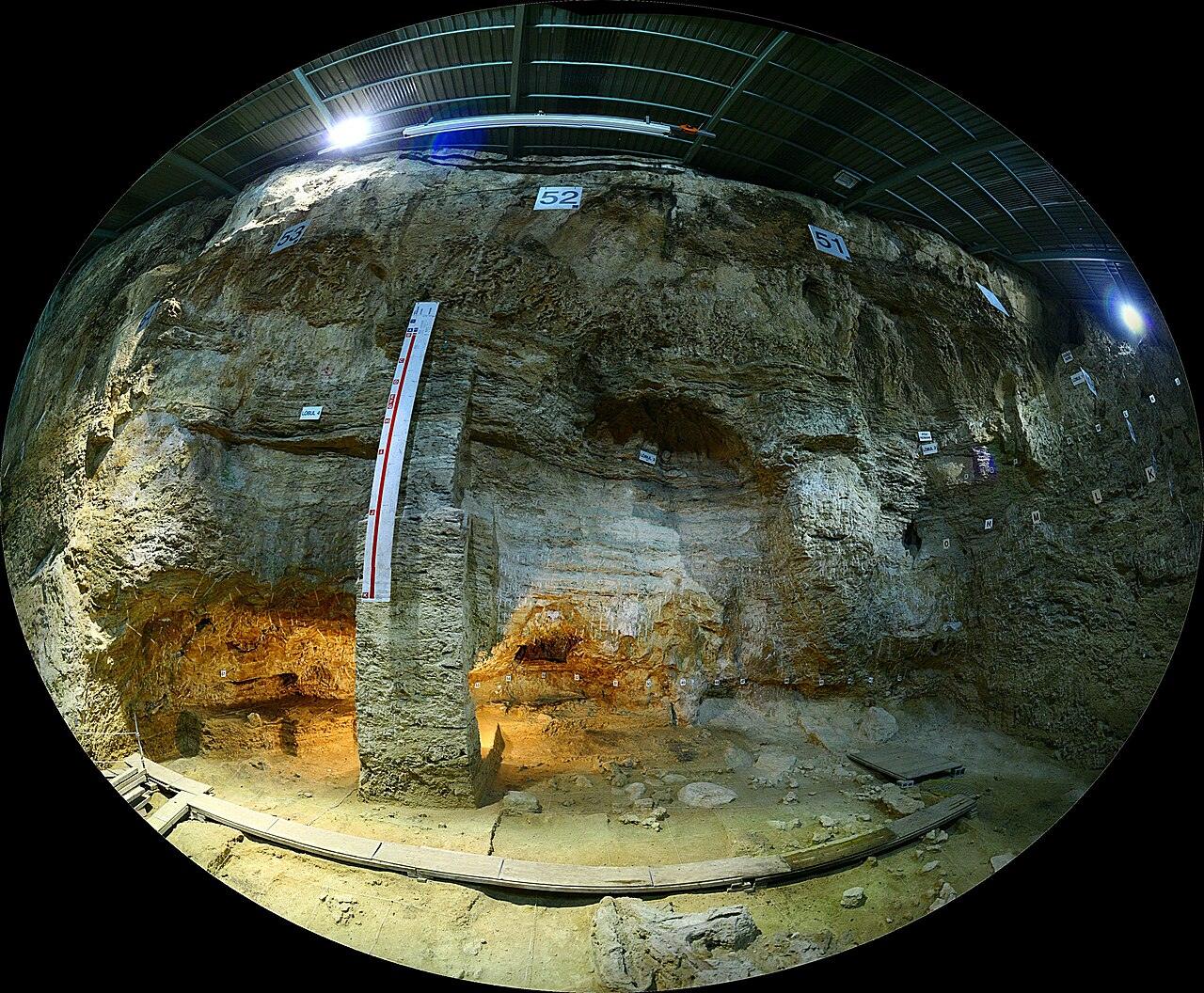
The site, called Abric Romaní, is about 30 miles west of Barcelona, the magazine said. Researchers documented 597 wooden remains and imprints from 16 layers dated to between 40,000 and 62,000 years ago. The study was published Oct. 7 in the journal Science Advances.
Most tools from this time are made of stone, because wood usually rots away, ZME Science reported. At Abric Romaní, mineral-rich water coated the wood in limestone. When the wood decayed, it left hollow shapes behind.
Researchers poured resin into some of the hollows to make casts of the original objects, Smithsonian said. They also made 3D scans.
Most objects were branches, roots and firewood. But 13 were clearly shaped by hand, the magazine reported. They include bark trays, poles that may have held up a small shelter, and pointed sticks that look like weapons.
One object looks like a club, with a narrow handle and a bulky, pointed head, ZME Science said. Nothing like it had been found from Neanderthals before.
"Not so long ago, Neanderthals were considered our less complex cousins," study co-author M. Gema Chacón told Science, Smithsonian reported. "Now it looks like their behaviors were very close to those of Homo sapiens."
Unlike earlier wooden finds on lake shores in Italy and Germany, this site was a home, Smithsonian said. It had fireplaces, trash pits and sleeping areas.
Chris Stringer of London's Natural History Museum, who was not part of the study, called it "just the tip of the iceberg" of a mostly hidden technology, Smithsonian reported, citing New Scientist.
What we know: 597 wooden remains show Neanderthals used wood for tools, trays and shelters.
What we don't: How common such woodworking was at other Neanderthal sites.
Where outlets agree Smithsonian Magazine and ZME Science both report that researchers described 597 Neanderthal wooden remains and imprints from Abric Romaní, preserved in travertine, in Science Advances.
Where they differ The outlets cited here report the same key facts so far.