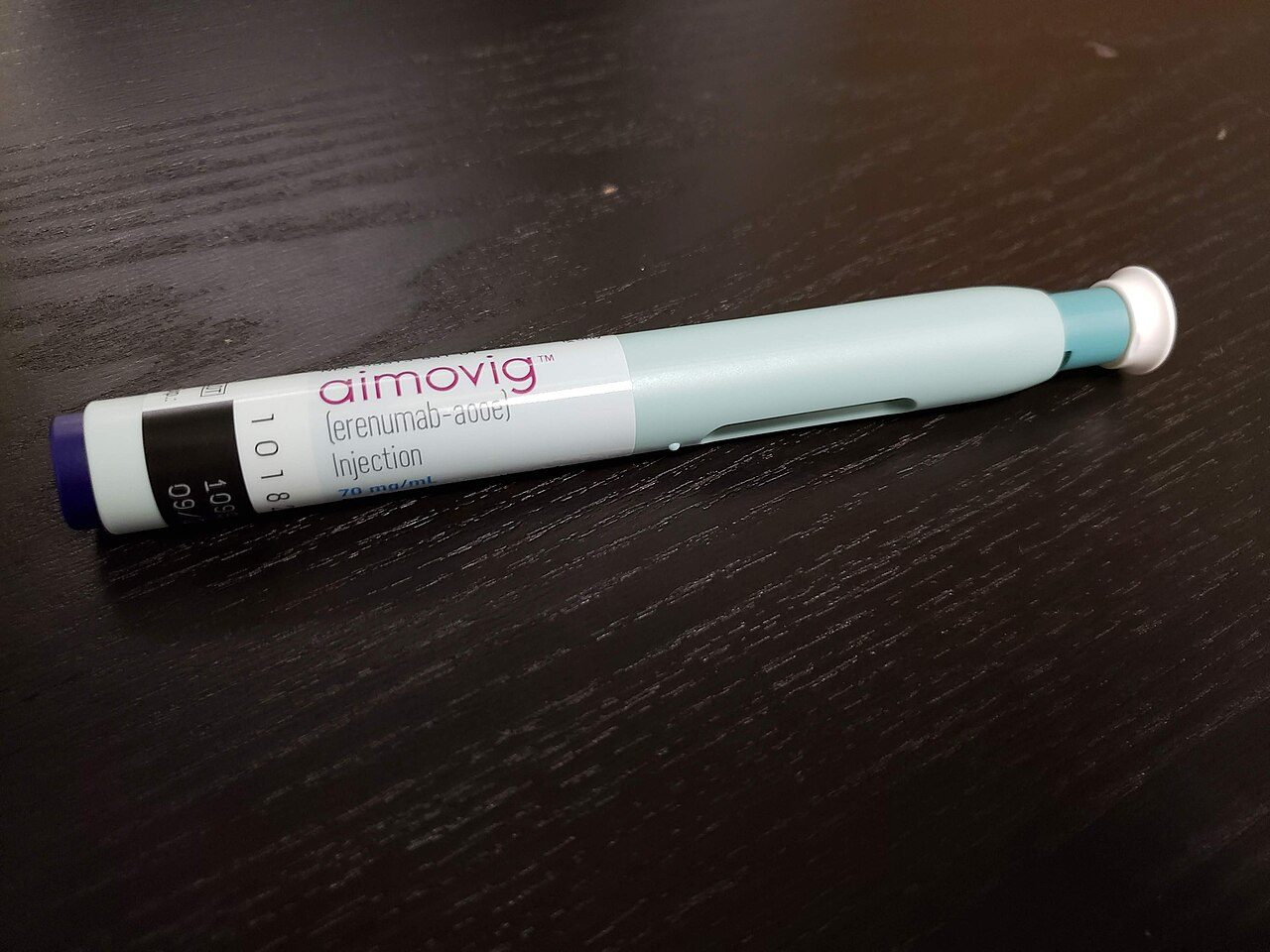
Study links some migraine drugs in early pregnancy to miscarriage risk
A study cannot show that some migraine drugs cause miscarriage, but it found a link. People who used anti-CGRP antibody drugs in early pregnancy had a 42% higher risk of miscarriage. Another older migraine drug, propranolol, showed no link to miscarriage in the same study.
A new study found a link between some migraine drugs used in early pregnancy and a higher risk of miscarriage, Contemporary OB/GYN and Practical Neurology reported. The study was observational, which means it cannot prove that the drugs caused the miscarriages.
The research was published Oct. 12 in the journal JAMA Neurology, both outlets said.
The drugs are called anti-CGRP monoclonal antibodies, both outlets reported. They help prevent migraines. They include Aimovig, Ajovy, Emgality and Vyepti, Practical Neurology said.
Researchers looked at insurance records for 7,579 pregnancies among 7,119 people aged 15 to 45 who had migraines, both outlets said. The data ran through 2021, Practical Neurology said.
People who used the antibody drugs during early pregnancy had a 42% higher risk of miscarriage than people who did not, both outlets reported. Miscarriage was defined as pregnancy loss up to 20 weeks.
When researchers adjusted for possible bias, the higher risk remained, Contemporary OB/GYN said.
Propranolol, an older drug also used to prevent migraines, showed no link to miscarriage, both outlets reported.
The drugs may matter because CGRP, the substance they block, plays a role in how the placenta develops, Contemporary OB/GYN said.
The researchers noted limits, Practical Neurology reported. People taking the antibody drugs had signs of more severe migraine, which could affect the results. The records also could not capture very early pregnancy losses.
The findings "do not establish a causal relationship but reinforce the need to consider pregnancy plans and the limited safety evidence" when choosing treatment, Practical Neurology wrote.
"These findings support further evaluation of anti-CGRP mAb safety and emphasize counseling for individuals of childbearing potential," the study authors wrote, according to Contemporary OB/GYN.
What we know: Anti-CGRP drug use was linked to a 42% higher miscarriage risk.
What we don't: Whether the drugs actually cause the higher risk.
Where outlets agree Contemporary OB/GYN and Practical Neurology both report that the JAMA Neurology study of 7,579 pregnancies linked anti-CGRP drugs to higher miscarriage risk but found no link for propranolol.
Where they differ The outlets cited here report the same key facts so far.