Amateur uses AI tools to spot possible new planet in NASA data
An amateur astronomer in Spain used AI tools to find signs of a possible new planet in public NASA data, Scientific American reported. The planet would be about 1.4 times as wide as Earth. NASA's TESS telescope will check the star again from Oct. 31 to Nov. 26.
An amateur astronomer used artificial intelligence tools to find signs of a possible new planet in public NASA data, Scientific American reported.
Pavel Rabtsevich is a 28-year-old product manager who lives in Spain, Gizmodo reported. He has no formal training in astronomy and no telescope.
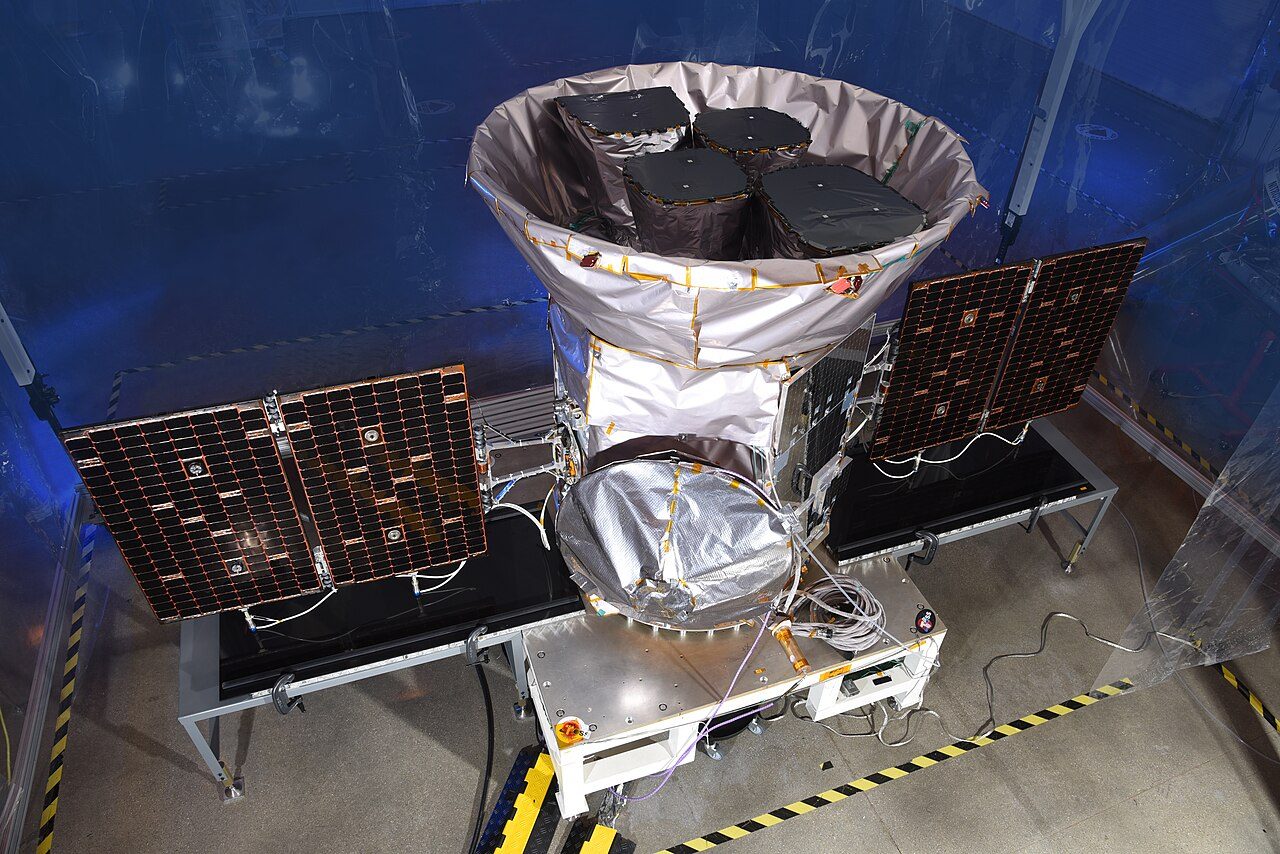
He studied data from NASA's TESS space telescope, which looks for planets by watching for small dips in a star's light. He gave data on more than 126,000 stars to AI tools including Anthropic's Claude Code and OpenAI's Codex, Gizmodo said.
The search pointed to a star called TIC 4206066, about 116 light-years from Earth, Gizmodo reported. Its light dips slightly every 3.18 days. Rabtsevich found the same pattern in older data from 2018 and 2020.
If it is a planet, it would be about 1.4 times as wide as Earth, both outlets said. It would be very hot, about 1,000 degrees Fahrenheit, Scientific American reported.
"Models agreeing with each other isn't evidence," Rabtsevich told Scientific American. He said "the research itself was mine," with the AI writing and running the code.
Yale astronomer Greg Laughlin called the case for a planet "solid," Scientific American said.
But Rabtsevich may not be the first to see it, the magazine reported. Pablo Mercader Perez of MIT, a member of the TESS team, said a filter picked up the signal in 2020, but it was rejected for lack of evidence. He said the TESS team's own tools had also flagged it.
TESS will watch the star every two minutes from Oct. 31 to Nov. 26, Gizmodo reported. "If the star dims on time in November, this gets a lot more serious," Rabtsevich wrote on X.
What we know: An amateur used AI to flag a possible planet, and TESS will look again this fall.
What we don't: Whether the signal is really a planet.
Where outlets agree Scientific American and Gizmodo both report that Rabtsevich used AI tools on TESS data to flag a possible planet about 1.4 times Earth's size around TIC 4206066.
Where they differ The outlets cited here report the same key facts so far.