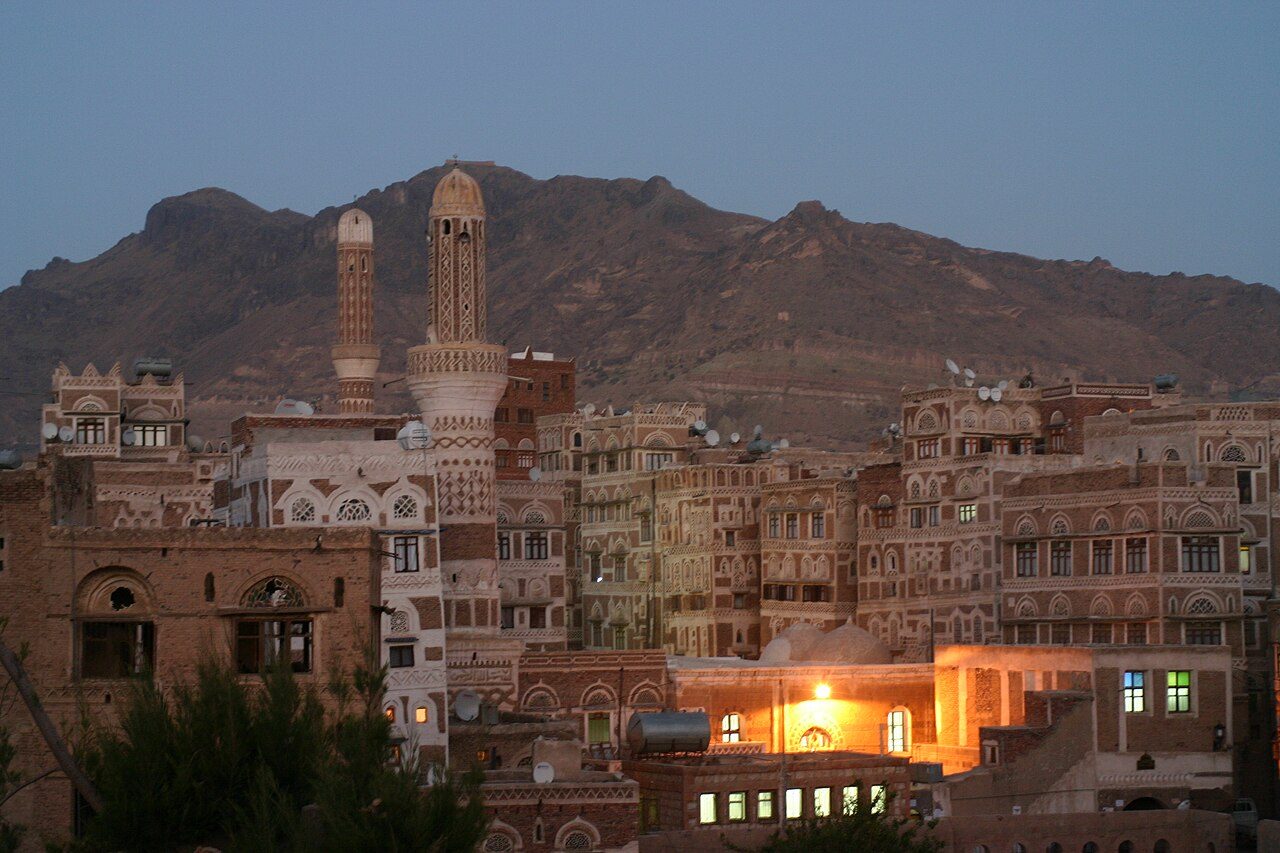
Saudi-led coalition strikes fuel depot near Yemen's capital
The Saudi-led coalition struck a fuel depot on the edge of Sanaa, Yemen's capital, after telling people to stay away. Soon after, missiles and drones were shot down over Riyadh and other Saudi cities. The strike follows days of Houthi attacks on Saudi airports, including one that killed 13 people.
The Saudi-led coalition struck a fuel depot near Sanaa on Tuesday, the BBC reported. The Houthis control the Yemeni capital. Coalition spokesman Maj. Gen. Turki al-Maliki said the target was the Yemen Petroleum Company's al-Sabaha facility.
The coalition had warned civilians to stay away from the depot earlier in the day, Reuters reported. AFP said it was the first such order in Sanaa since the war flared in July. Queues formed at petrol stations in Sanaa as residents worried about shortages.
The coalition said the Houthis used sites in Sanaa, Hodeidah and Dhamar to supply its arsenal of missiles and drones, Reuters reported. The Houthi-run fuel company said the site "does not contain any stock of petroleum products," the BBC reported.
After the strike, missiles and drones were shot down over Riyadh and other Saudi cities, al-Maliki said, the BBC reported. He said shrapnel fell in a residential area in Dhahran. A phone alert told Riyadh residents that "the city of Riyadh is facing a hostile aerial threat," AFP reported.
The Houthis had threatened to hit Riyadh's airport, a refinery and Aramco sites if Sanaa was struck, the BBC and AFP reported.
The strike follows a week of Houthi attacks on Saudi Arabia. Thirteen people were killed when a missile hit King Khalid International Airport in Riyadh on Saturday, the BBC reported. The Saudi cabinet said the group would "bear the consequences."
The Houthis say they are hitting back for Saudi strikes on their areas. Yemen's war began in 2014, and an informal ceasefire began to unravel in July, the BBC reported.
What we know: The coalition hit a fuel depot near Sanaa, and missiles were then intercepted over Saudi cities.
What we don't: How much damage the strike caused, and whether the fighting will widen further.
Where outlets agree The BBC and Reuters both report that the coalition struck the Yemen Petroleum Company depot on the edge of Sanaa after warning civilians to stay away.
Where they differ The outlets cited here report the same key facts so far.