Hall and Woodford win economics Nobel for steadier economies
Stanford's Robert Hall and Columbia's Michael Woodford, both Americans, won the 2026 Nobel prize in economics on Monday. The Swedish academy said their models help central banks and governments smooth out booms and busts. They will split 12 million Swedish kronor.
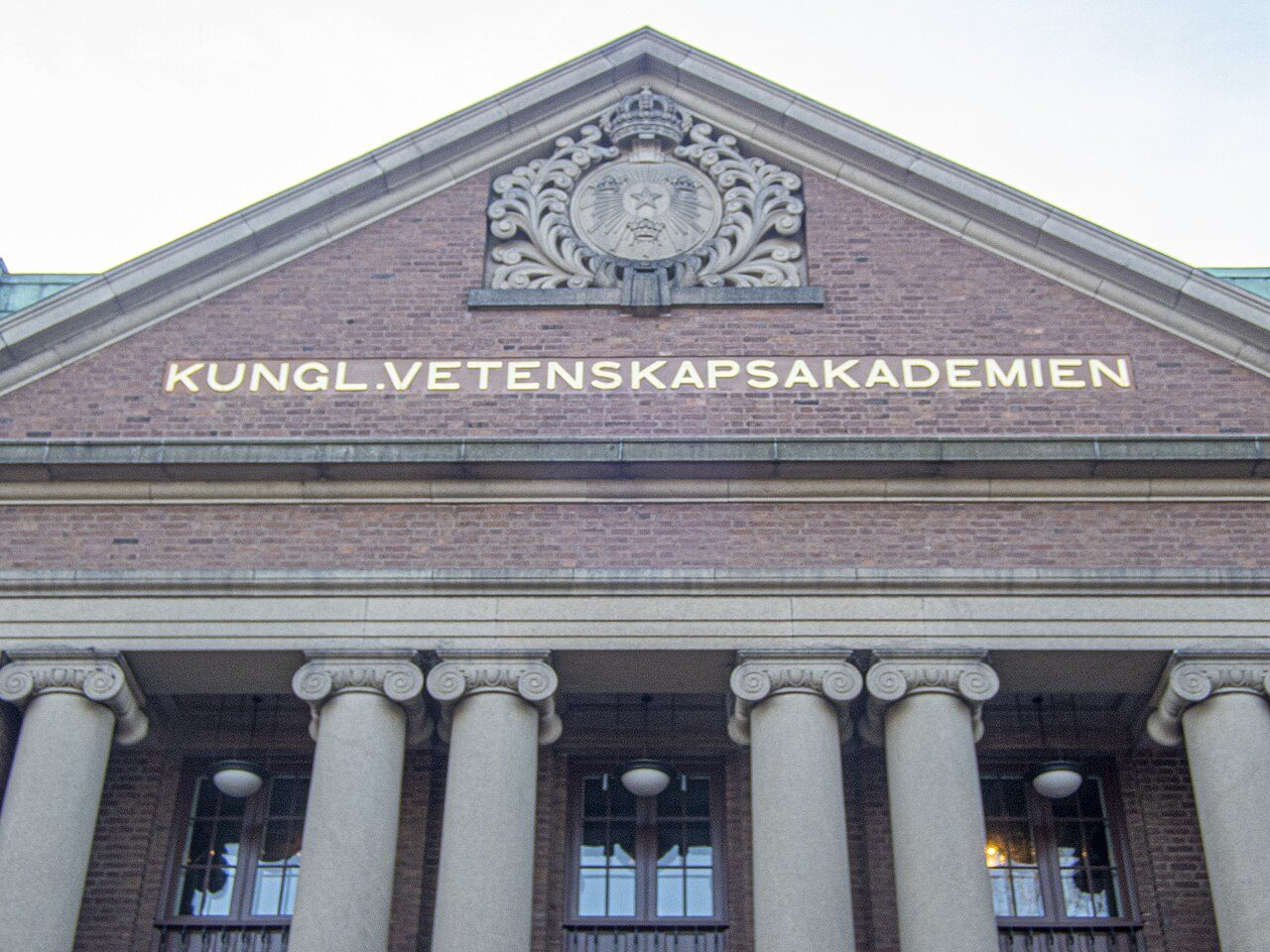
Robert E. Hall and Michael Woodford won the 2026 economics prize in memory of Alfred Nobel on Monday. The Royal Swedish Academy of Sciences honored them "for microeconomic foundations of macroeconomic stabilisation."
Hall, born in Palo Alto, California, in 1943, is a professor at Stanford University. Woodford, born in Chicopee, Massachusetts, in 1955, is a professor at Columbia University, CNN reported. Each will receive 6 million Swedish kronor, or about $598,000.
Their work changed how economists build models. Older models leaned on links between big numbers, such as inflation, output and spending. Hall and Woodford built theirs from the choices of households and businesses instead. A key idea is that people look ahead when they decide how much to save or what to charge. So when central banks and governments explain their plans, they can shape those choices and "move the economy in the right direction," the academy said.
That mattered after the oil crises of the 1970s. The academy said the older models stopped working then. Policy based on them led to runaway inflation instead of lower unemployment, and many people argued that such policy should be dropped. The new models gave it a fresh footing.
"It's a tremendous honor, it's a surprise," Woodford told the committee by phone from New York, the New York Post reported. John Hassler, who chairs the prize committee, said the work helps leaders handle "shocks in the economy, such as energy crises or sudden changes in how much households consume," CNN reported.
The economics prize is not one of the five prizes Nobel set up. Sweden's central bank created it in 1968, and it is presented with the others on Dec. 10. Monday's award closed this year's Nobel season. South African judge Navi Pillay won the Peace Prize on Friday, and Canadian writer Anne Carson won the literature prize a day earlier, CNN reported.
What we know: Hall and Woodford won for models that help policymakers steady the economy after shocks.
What we don't: How the laureates will use their Dec. 10 lectures to weigh in on today's inflation and energy shocks.
Where outlets agree CNN and the New York Post both report that the academy said the laureates "have helped us smooth out the economy's peaks and troughs."
Where they differ The outlets cited here report the same key facts so far.