Fossil kept in museum for 100 years is a new dinosaur
A fossil found on England's Isle of Wight in 1924 has been named a new species of dinosaur. Researchers say Invictibellatrix amberina is the first clear sign of a megaraptor in Europe. The predator was about three to four meters long.
A fossil that sat in a museum collection for nearly 100 years belongs to a new species of dinosaur, BBC Newsround and Bluewin reported.
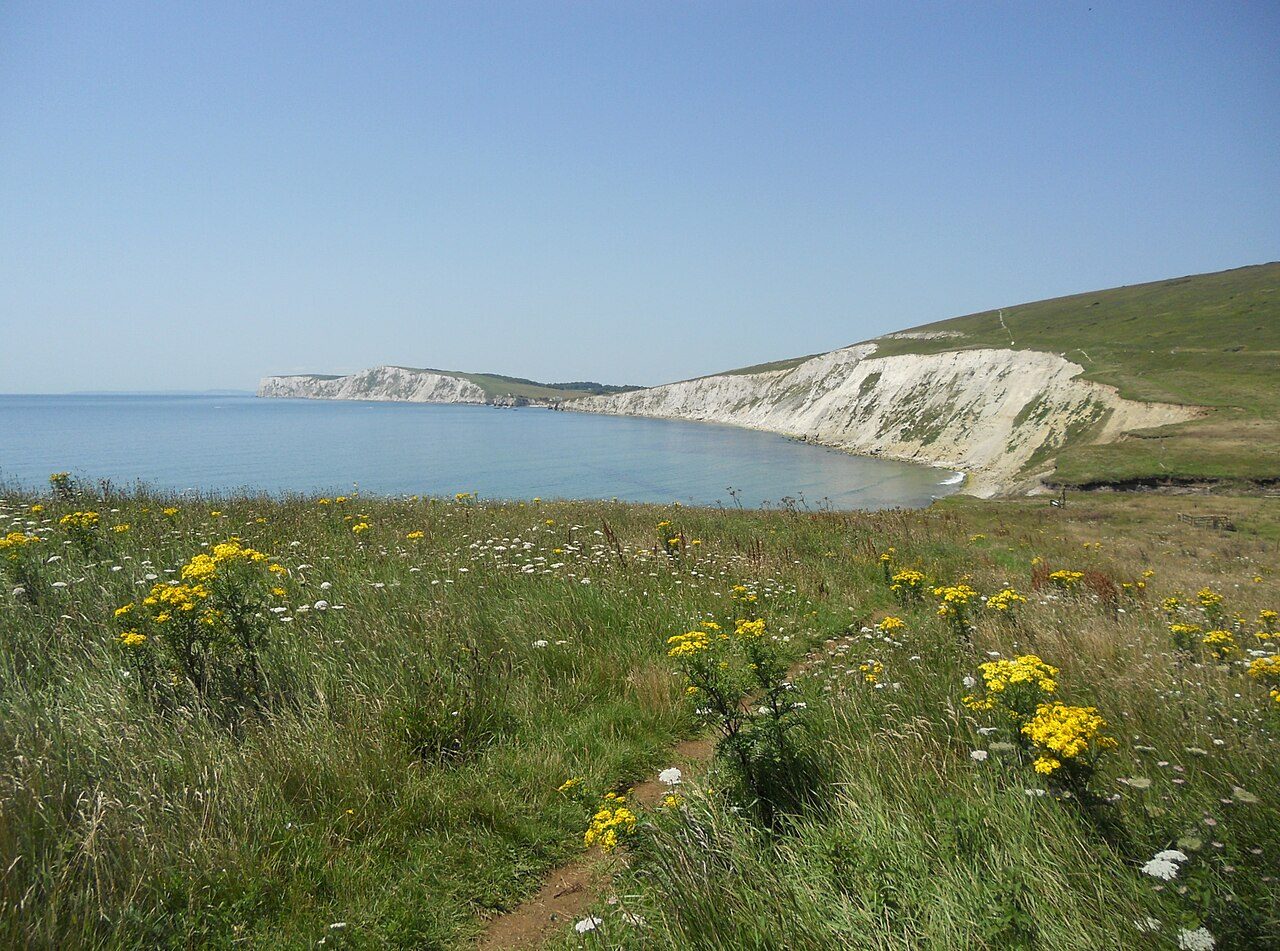
The skull fragment was found on the Isle of Wight in England in 1924 and added to the Natural History Museum's collection in London. Its importance went unnoticed until researchers studied it with modern CT scanners.
The new species is named Invictibellatrix amberina. The name means "unconquered female warrior," BBC Newsround reported. It belongs to a group of two-legged meat-eating dinosaurs called megaraptors. The study, published in the journal Royal Society Open Science, is the first clear evidence of a megaraptor in Europe, Bluewin reported.
The dinosaur lived around 120 million years ago. It was about three to four meters long, the researchers estimate. Lead author Cassius Morrison of University College London said it was "about as tall as a human," BBC Newsround reported. It likely had long arms and large curved claws for grabbing prey.
The team found the new species by comparing the fossil with skulls of other meat-eating dinosaurs. Features such as an oval hole where the spinal cord entered the brain set it apart, BBC Newsround reported.
"It was not the apex predator of its time, but for humans this dinosaur would have been more dangerous than a T. rex," Morrison told BBC Newsround. Humans would have been the right size to be its prey.
The find also helps explain how megaraptors spread. "This new species is the first proof we have that megaraptorans were also present in Europe," said co-author Charlie Scherer of UCL, BBC Newsround reported.
What we know: A 1924 Isle of Wight fossil is a new megaraptor species, the first clearly identified in Europe.
What we don't: How much more of the animal's body might still be found.
Where outlets agree BBC Newsround and Bluewin both report that a fossil found on the Isle of Wight in 1924 has been identified as a new megaraptor species, Invictibellatrix amberina.
Where they differ The outlets cited here report the same key facts so far.