Nobel winner Pillay calls U.S. sanctions on ICC 'unacceptable'
Navi Pillay, who won this year's Nobel Peace Prize, said Saturday that U.S. sanctions on the International Criminal Court are "unheard of" and "unacceptable." The sanctions bar U.S. entities from dealing with the court. Secretary of State Marco Rubio called the court "rogue" and said America does not want it.
This year's Nobel Peace Prize winner on Saturday condemned new U.S. sanctions on the International Criminal Court.
Navi Pillay is a South African former judge at the court. She spoke by video link at the Nobel Peace Center in Oslo, the BBC reported. "Sanctions have been announced by one country against the judges, just for the judicial orders they issue. This is unheard of, unacceptable," she said.
Pillay won the prize on Friday "for her efforts to promote peace and international law," the Nobel committee said. President Donald Trump criticized the choice. Hours later, the State Department announced sweeping sanctions on the court itself. They include a ban on U.S. entities doing business with it.
Secretary of State Marco Rubio called the ICC a "rogue" court and said the U.S. wants to cut off its resources. "America never joined the court. We don't need that court, and we don't want it," he said in a video, NPR reported. Rubio said the court's backers want it to prosecute "American citizens and service members." He said the sanctions defend U.S. sovereignty.
The ICC said it "strongly rejects" the measures. It called them an attack on the rule of law and said it would keep doing its work.
The European Union called the sanctions "deeply regrettable" and urged the U.S. to reverse them. The EU said it was ready to act to keep the court running. It noted the measures will not take effect for six months, which leaves time for talks.
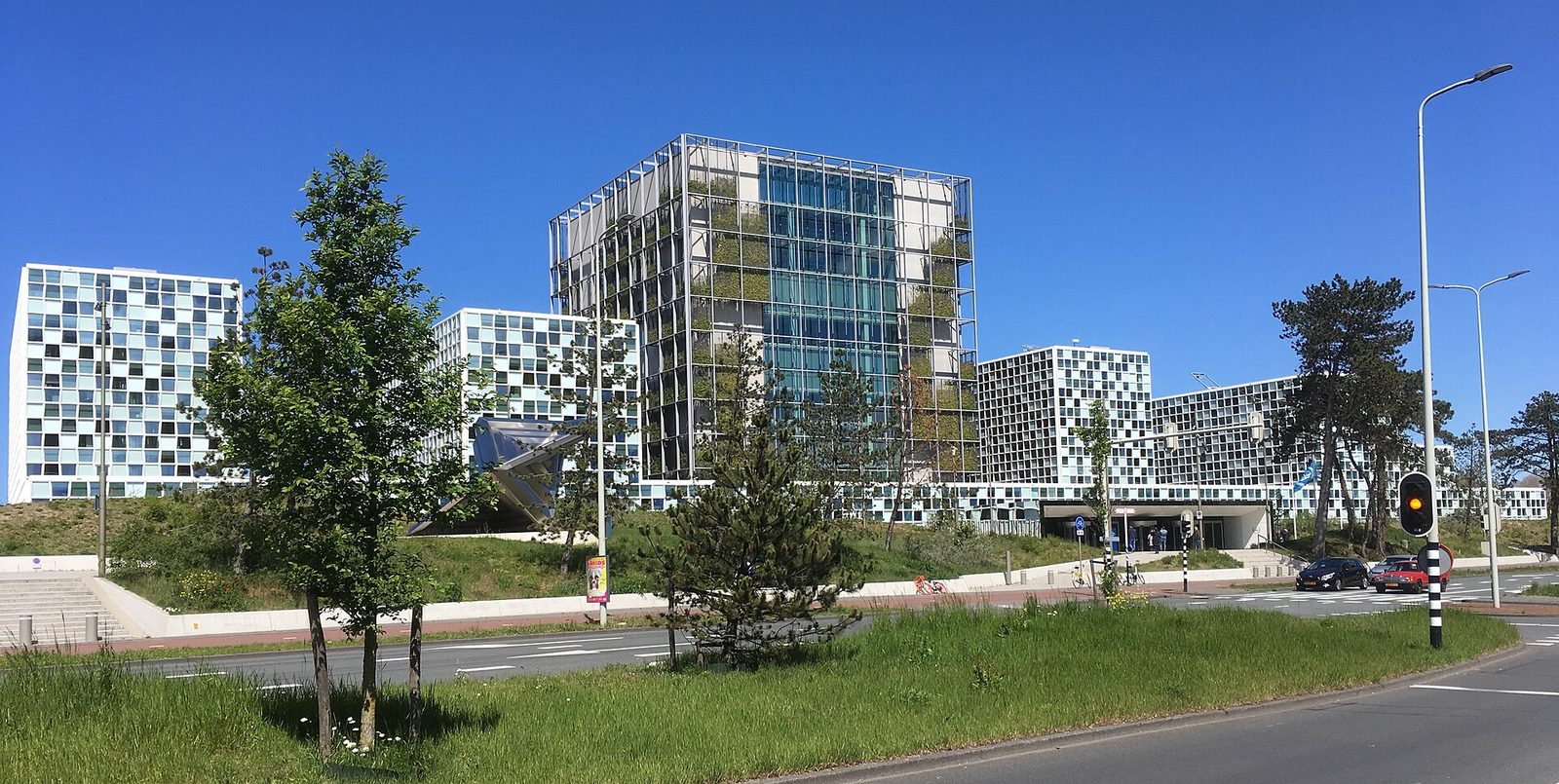
The ICC, based in The Hague, is the world's only permanent war crimes court.
What we know: the U.S. has sanctioned the ICC itself, with a six-month wind-down.
What we don't: whether allies can keep the court running.
Where outlets agree The BBC and NPR both report the sanctions target the court itself and cut off U.S. dealings with it.
Where they differ The outlets cited here report the same key facts so far.