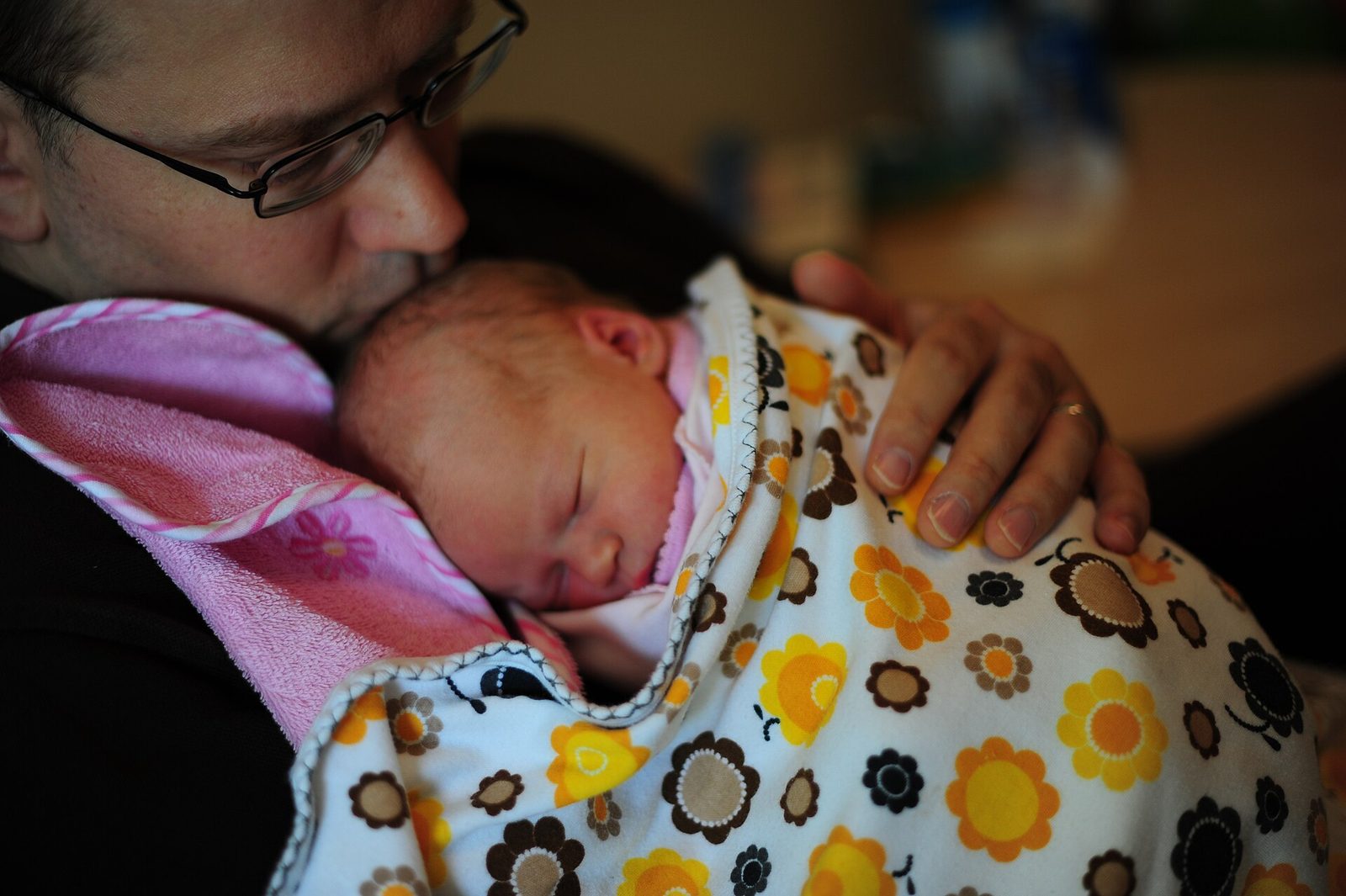
Paid paternity leave helps babies and dads, research suggests
Research suggests paid paternity leave helps babies' brain development and fathers' mental health, a Time essay argues. Children with involved fathers show better language, math and social skills. The U.S. is one of the only wealthy nations with no federal guarantee of paid paternity leave.
Paternity leave is often treated as a job perk. Some experts say it should be seen as a health need.
The U.S. is one of the only wealthy nations with no federal guarantee of paid paternity leave, according to an essay in Time. The essay argues that leave should be treated like routine medical care, because the benefits for a child's brain last for years.
Research backs up part of that view. Sarah Schoppe-Sullivan, a researcher at Ohio State University, reviewed studies on fatherhood. She found children with positive, steady father involvement had better peer relationships, higher intelligence test scores, better math and language readiness and more secure attachment, Time reported. These links are correlations, not proof of cause, but they show up as early as preschool.
Paid leave also helps fathers. A Northwestern University study of 4,290 new fathers found that those who took unpaid leave were 58% more likely to have anxiety symptoms than those who took paid leave, PhillyVoice reported. Fathers who took no time off were more likely to have anxiety and depression. About 6.6% of new fathers had depression and 11% had anxiety.
"Paternal leave is not just a workplace benefit, it's a public health" issue, the researchers said, according to News-Medical.
A pediatrician writing in STAT described a father who said, "I can't believe I have to go back to work tomorrow," days after his daughter's birth.
Some states offer paid family leave, but many workers have none. Opponents of a federal mandate say it would burden small businesses.
What we know: studies link fathers' leave to benefits for babies and families.
What we don't: whether Congress will act on paid leave.
Where outlets agree Time and STAT both argue paid paternity leave should be treated as health care, not a perk.
Where they differ The outlets cited here report the same key facts so far.