Germany sticks with Russia sanctions and rejects EU budget plan
Germany said Saturday it will keep its sanctions on Russia and work with European partners on new ones, despite the U.S. diesel deal with Moscow. Berlin also rejected a proposed $2 trillion EU budget, with Chancellor Friedrich Merz saying it must be cut further.
Germany said Saturday it will stand by its sanctions on Russia, a day after the U.S. eased sanctions on Russian diesel.
"The federal government has taken note of the US decision relating to Russian diesel deliveries," government spokesman Stefan Kornelius said, DW reported. "The federal government remains committed to the decisions on sanctions against Russia and is working with its European partners on further sanctions." He added that Germany's support for Ukraine "remains unfailing."
President Donald Trump announced Friday that Russia would release more than 300,000 tons of diesel right away to U.S. and world markets, AFP reported. The U.S. Treasury issued a temporary license to allow it. Trump said the goal is to bring down fuel prices.
Germany is Ukraine's biggest backer in Europe. Ukraine's President Volodymyr Zelensky called the U.S. deal a "gift" to Vladimir Putin.
Berlin also picked a budget fight on Saturday. Ireland, which holds the EU's rotating presidency, proposed a seven-year EU budget of €1.826 trillion, about $2.05 trillion. That is about €159 billion less than the European Commission's first plan.
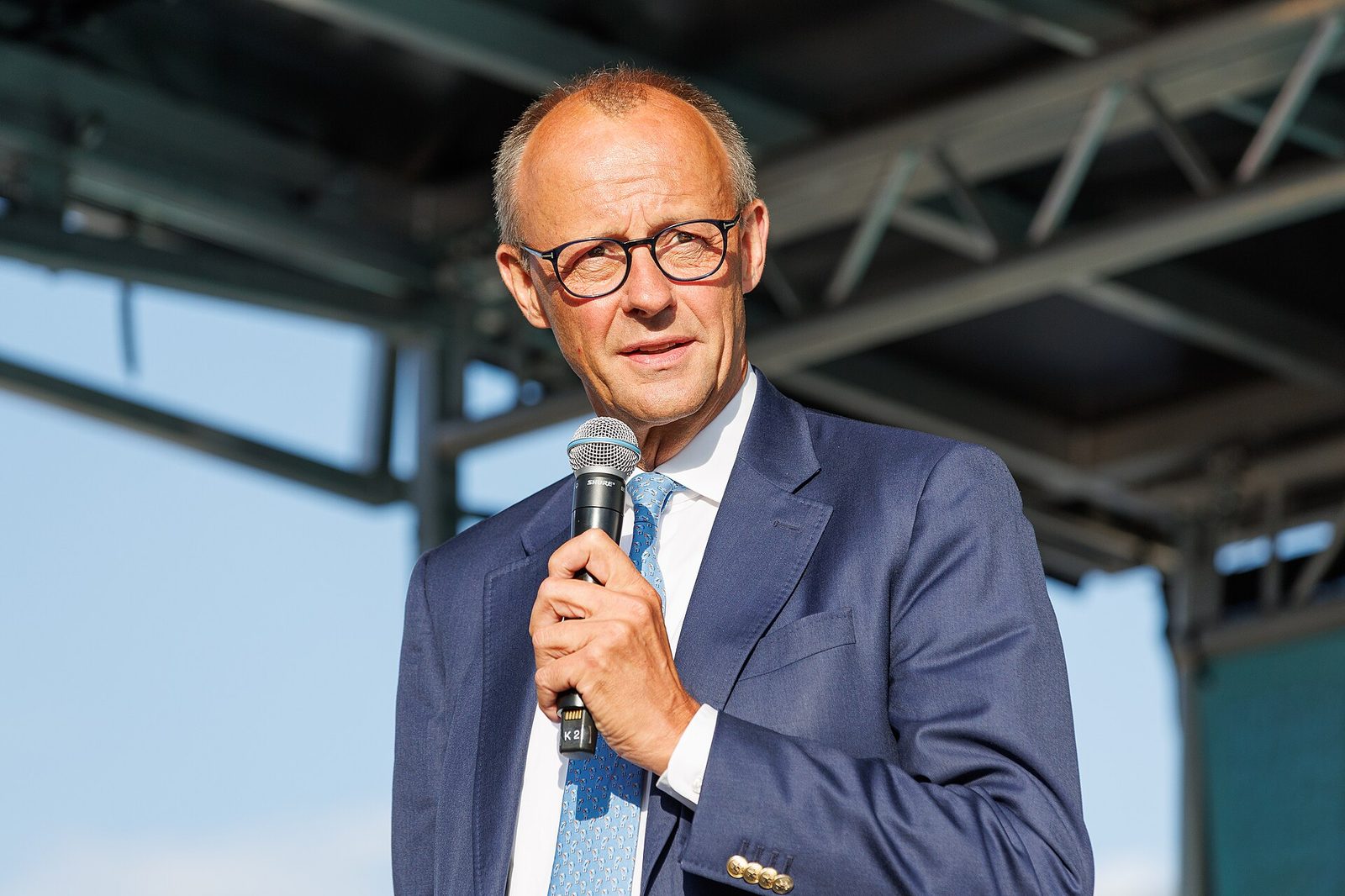
Germany quickly rejected it. "The size of the new proposal is no basis for an agreement," Chancellor Friedrich Merz said. "The EU budget must be affordable for those who bear the main burden of financing."
Germany is the largest net payer into the EU budget. The Netherlands, Sweden, Denmark, Austria and Finland also want deep cuts. France, the second-largest net payer, wants a bigger budget to meet new challenges.
The 27 EU countries must agree on the budget unanimously, so talks are likely to drag on.
What we know: Germany says it will keep its Russia sanctions despite the U.S. diesel deal, and it rejected a proposed $2 trillion EU budget.
What we don't: How deep any EU budget cuts will be.
Where outlets agree DW and AFP both quote Germany's spokesman saying Berlin is working with partners on further Russia sanctions.
Where they differ The outlets cited here report the same key facts so far.