WHO presses Russia for answers after Siberian plague lab worker dies
A 28-year-old worker at a plague research lab in Siberia died October 2 of pneumonia that Russia says has no known cause. The World Health Organization says it still cannot judge the risk without more facts. U.S. health officials call the threat to Americans extremely low.
A week after a young lab worker died in Siberia, the world still does not know what killed her.
The woman worked at the Irkutsk Anti-Plague Research Institute, a lab that studies plague and other dangerous germs. Russian media named her as Darya Shipilova, 28. She was taken to a hospital with cold symptoms on September 29 and died three days later in Shelekhov, a town near Irkutsk, the Associated Press reported.
Russia's health watchdog, Rospotrebnadzor, says she had pneumonia "of unknown etiology," meaning no cause has been found. It says tests found no sign she was infected by the germs she worked with. Among her contacts, tests turned up only two cases of COVID-19 and two of the common cold virus, NBC News reported.
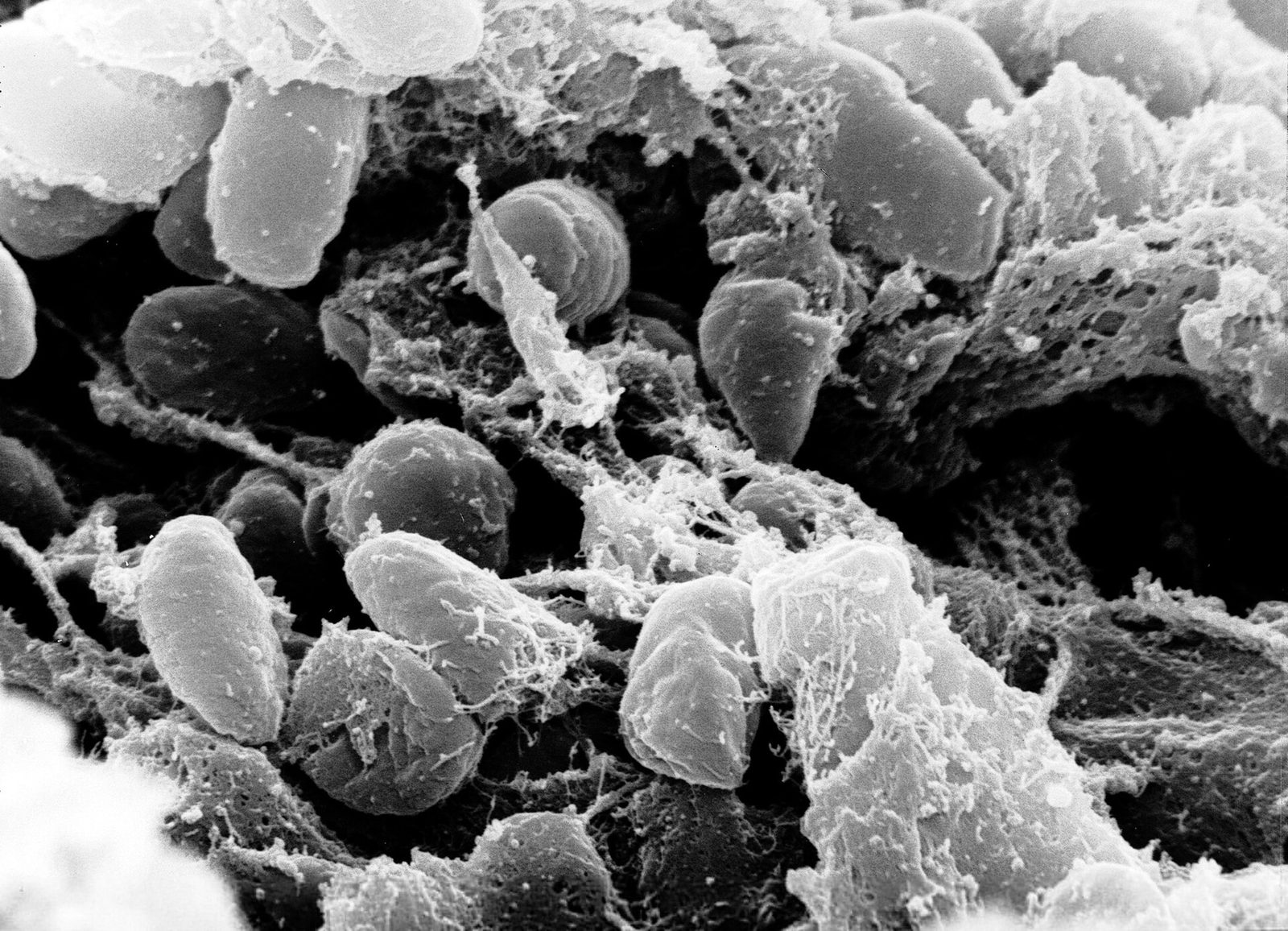
Unconfirmed reports in Russia blamed pneumonic plague, a rare and severe form of plague that infects the lungs and can spread between people. It is treatable with antibiotics if caught early.
The World Health Organization wants more details. "As we don't yet have the full picture of this event, we are not able to conduct a full risk assessment," WHO chief Tedros Adhanom Ghebreyesus said Wednesday, El País reported. WHO has asked about lab tests, the health of the woman's contacts and media reports of a second worker with pneumonia. It has offered to send experts, but Russia has not asked for help.
The case has reached the White House. President Trump said he would raise it with President Vladimir Putin. Asked whether the case pointed to a bioweapon, Trump said, "We don't think so."
CDC Director Dr. Erica Schwartz said the risk to the United States "is extremely low," since little travel comes from that part of Russia. Mongolia has added health checks at its border.
Experts say secrecy is the real worry. Russia's state media have largely avoided the story, and some outlets pulled early reports, the AP said.
What we know: The worker died of pneumonia, and Russia says no plague was found.
What we don't: What germ caused her illness.
Where outlets agree The Associated Press and NBC News both report that Rospotrebnadzor found two COVID-19 cases and two rhinovirus cases among the worker's contacts.
Where they differ El País says Russia told WHO about 200 contacts were placed under quarantine, while NBC News cites Russian media saying nearly 200 were put under precautionary medical observation.