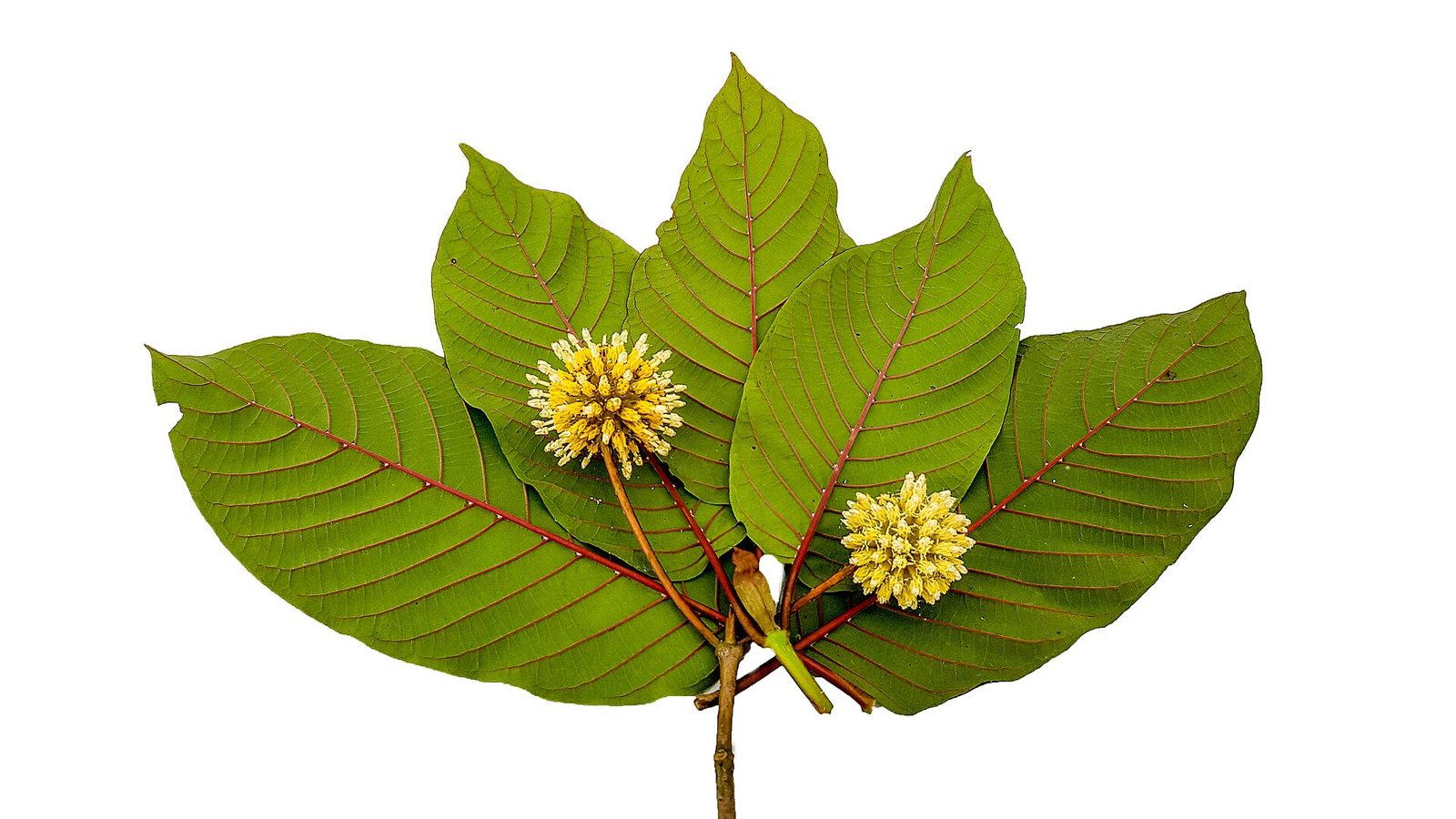
DEA redraws its planned 7-OH kratom ban with new strength limits
The DEA on Friday restarted its plan to ban 7-OH, a strong opioid-like compound made from kratom, using new limits from health officials. Pills, gummies and drinks would fall under the ban if they hold more than trace amounts. A new 30-day notice period starts when the plan is published, expected Oct. 14.
The Drug Enforcement Administration has changed its plan to ban 7-OH, a strong opioid-like compound found in kratom. The Justice Department announced the move on Friday.
The DEA will issue a new notice of intent to put 7-OH and a related compound, MGPI, in Schedule I. That is the strictest drug class, for drugs with no accepted medical use. The new plan uses limits from the Department of Health and Human Services.
Under those limits, a product would be banned if it holds more than 1 milligram of the compounds per gram, or per milliliter for liquids. It would also be banned if it has less than 100 times as much mitragynine, kratom's main natural compound. The goal is to target pills, gummies and shots that are made stronger, while sparing plain kratom leaf, which has only trace amounts.
"Dangerous and addictive opioids do not belong behind convenience store counters," Attorney General Todd Blanche said.
The notice is set to be published Oct. 14, The Marijuana Herald reported. That starts a new 30-day clock before the DEA can issue a temporary ban. The DEA first proposed a different 7-OH limit in July, but that plan never took effect.
The change follows a lawsuit by the American Kratom Association, which speaks for leaf kratom sellers, Pain News Network reported. The group backed the 7-OH ban but wanted relief for MGPI, which the DEA banned in August. Its spokesman, Mac Haddow, said the group agreed to drop the suit if the DEA follows the new schedule.
Makers of 7-OH products are unhappy. "This is still a Notice of Intent, not a scheduling order," the 7-HOPE Alliance told supporters. It said the plan would still threaten access for people who rely on the products.
Kratom leaf is legal under federal law, but many states and cities have banned it. Pain News Network said 7-OH and other kratom products were recently tied to the deaths of two college students.
What we know: The DEA plans to ban 7-OH and MGPI above new strength limits after a 30-day notice period.
What we don't: Exactly when a final temporary ban takes effect, and how it will be enforced in stores.
Where outlets agree The Marijuana Herald and Pain News Network both report that the new plan bans products where the ratio of mitragynine to 7-OH falls below 100 to 1.
Where they differ Pain News Network describes the trace limit as 1 milligram per serving, while The Marijuana Herald reports it as 1 milligram per gram of solid product.