Draconid meteors linger Friday night; Orionids peak later this month
The Draconid meteor shower peaked Thursday night but remains active through Saturday, and a nearly moonless sky should help viewers. Unlike most showers, the Draconids are best observed in the evening, right after darkness falls. The Orionid shower comes next, peaking Oct. 21 and 22, followed by several more showers before the year ends.
If you missed the Draconid meteor shower Thursday night, you still have a chance.
The shower peaked Thursday evening but stays active Friday, the Reno Gazette Journal reported. Wisconsin Public Radio said the meteors will keep coming through Oct. 10. The moon is only a thin sliver, about 3% lit, so the sky will be dark.
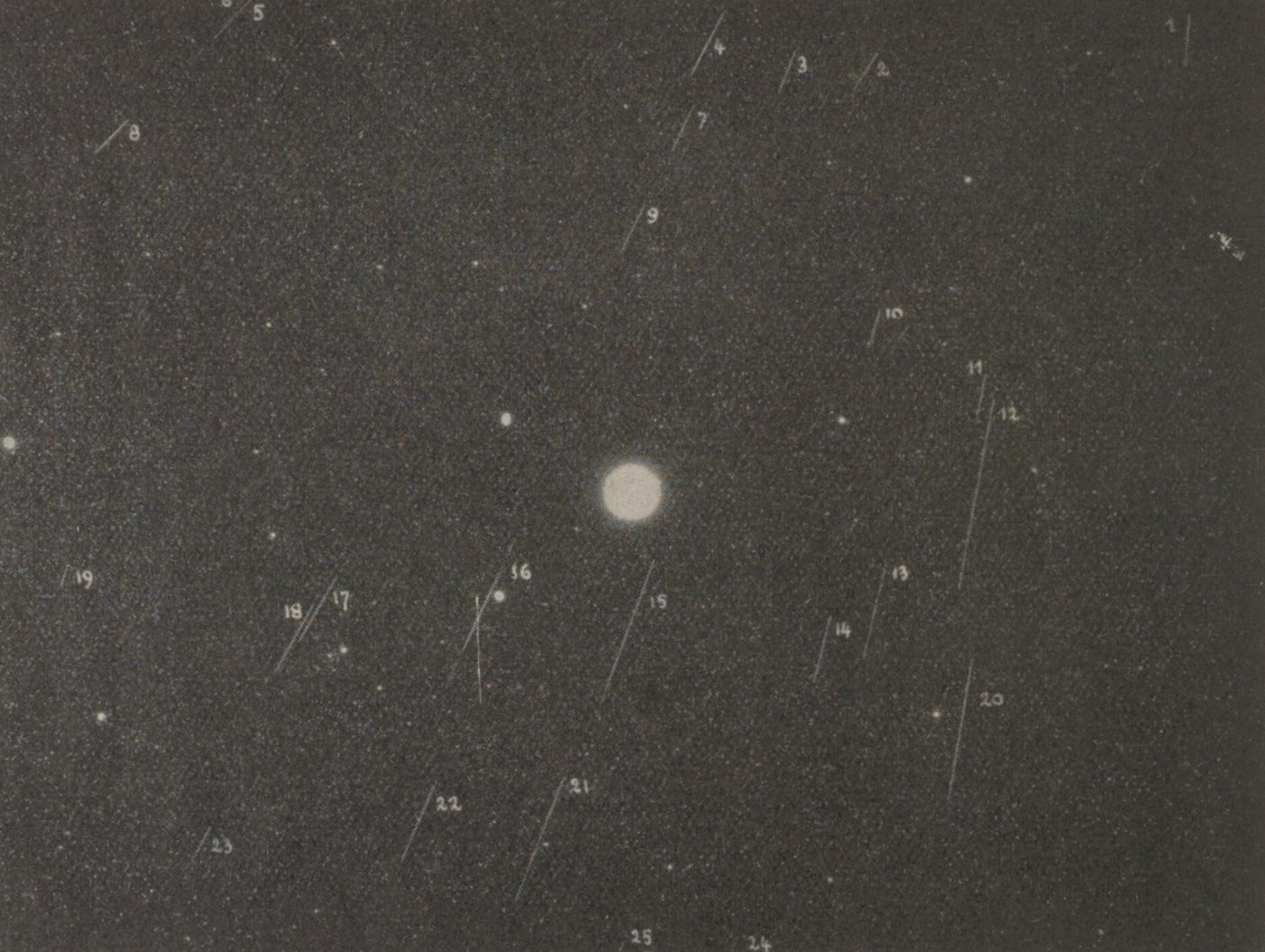
The Draconids are unusual because they are best seen in the evening, not in the hours before dawn. The meteors seem to come from the head of Draco the Dragon, a group of stars that sits high in the northern sky in October.
"The constellation is pretty high up, so we can start seeing them as soon as it gets dark out," said Chad Jocius of the Heide Observatory in Kenosha, Wisconsin.
This is a small shower, so expect a handful of meteors, not a flood. The American Meteor Society expects only a few meteors per hour and no unusual outburst this year, the Reno paper reported. Draconid meteors also move more slowly than most, so each streak can last a second or two, CNN reported.
The meteors come from dust left by comet 21P/Giacobini-Zinner. Most bits are no bigger than a grain of sand, said Thomas Beatty of the University of Wisconsin-Madison. The shower has surprised people before. NASA said about 500 meteors a minute were seen in Europe in 1933.
No telescope is needed. Beatty suggested "a lawn chair or a camp chair, a coat, and a little bit of patience." Get away from city lights and give your eyes about 20 minutes to adjust.
More showers are coming. The Orionids peak Oct. 21 and 22, according to the American Meteor Society, as cited by CNN. The Taurids follow in November, along with the Leonids on Nov. 16 and 17. The Geminids, one of the year's strongest, peak Dec. 13 and 14.
What we know: The Draconids remain active through Saturday under dark skies.
What we don't: How many meteors will show up on any given night.
Where outlets agree CNN and the Reno Gazette Journal both report that the Orionid meteor shower peaks Oct. 21 and 22.
Where they differ CNN says the Draconids can bring 10 meteors an hour, while Wisconsin Public Radio reports astronomer Thomas Beatty expects about five to six an hour this year.