HHS opens NIH vaccine injury clinic, will pay doctors to report
The Kennedy health department formally launched a federal push on vaccine injuries Thursday, led by a new clinic at the National Institutes of Health. Medicare would also pay doctors for time spent reporting suspected side effects. The clinic opened Oct. 5 in Bethesda, Maryland, and is one of four steps announced.
The federal government now has a clinic devoted to people who say vaccines made them sick.
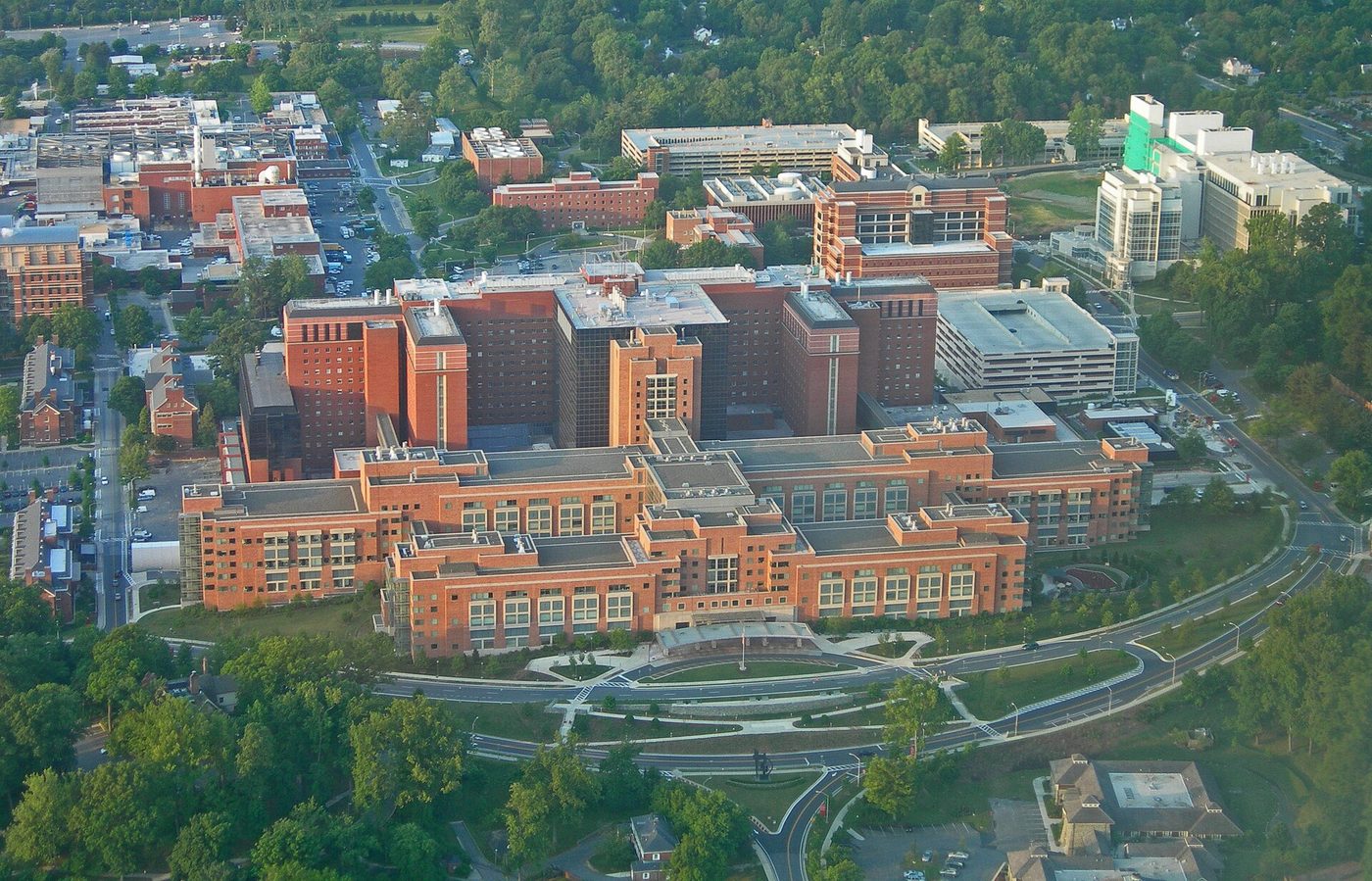
The Department of Health and Human Services, led by Robert F. Kennedy Jr., said Thursday that a new National Institutes of Health clinic opened Oct. 5 on the agency's campus in Bethesda, Maryland. Doctors there will examine patients who report health problems after a shot and study what may have caused them, the Washington Examiner reported.
It is one of four steps. The Centers for Medicare and Medicaid Services proposed paying doctors for the time they spend filing reports to the Vaccine Adverse Event Reporting System, known as VAERS. The CDC is updating VAERS so it works on phones, under a contract announced Sept. 28. And new federal health record standards will require electronic records to capture side effects from vaccines, Fierce Healthcare reported.
"We must listen to patients and families who report vaccine injuries — not dismiss or gaslight them," Kennedy said. He said the effort "follows the evidence" and will help make vaccines safer.
Vaccine experts are wary. They support close study of side effects, but they told The New York Times it is too soon to tell whether the effort will be sound science. People familiar with the plan told the Times the clinic may look at vaccines that contain aluminum, CIDRAP reported. Those vaccines have repeatedly been found safe, CIDRAP noted.
A report to VAERS does not by itself prove a vaccine caused a problem, the Washington Examiner noted. Anyone can file one, including patients and drug makers.
The push lands as measles and other diseases that vaccines prevent are rising in the United States, the Times reported.
The country already has a way to pay people hurt by vaccines. Congress created the Vaccine Injury Compensation Program in 1986. A new report from the Partnership to Fight Infectious Disease found the program paid about one person per million doses of covered vaccines from 2006 to 2024, CIDRAP reported. Claims have grown, and a case now takes two to three years to decide.
What we know: The NIH clinic is open, and Medicare has proposed paying doctors to report suspected injuries.
What we don't: Which patients the clinic will take first and what its research will focus on.
Where outlets agree The Washington Examiner and Fierce Healthcare both report the NIH clinic opened Oct. 5 and that Medicare proposed paying doctors to file suspected vaccine injury reports to VAERS.
Where they differ The outlets cited here report the same key facts so far.