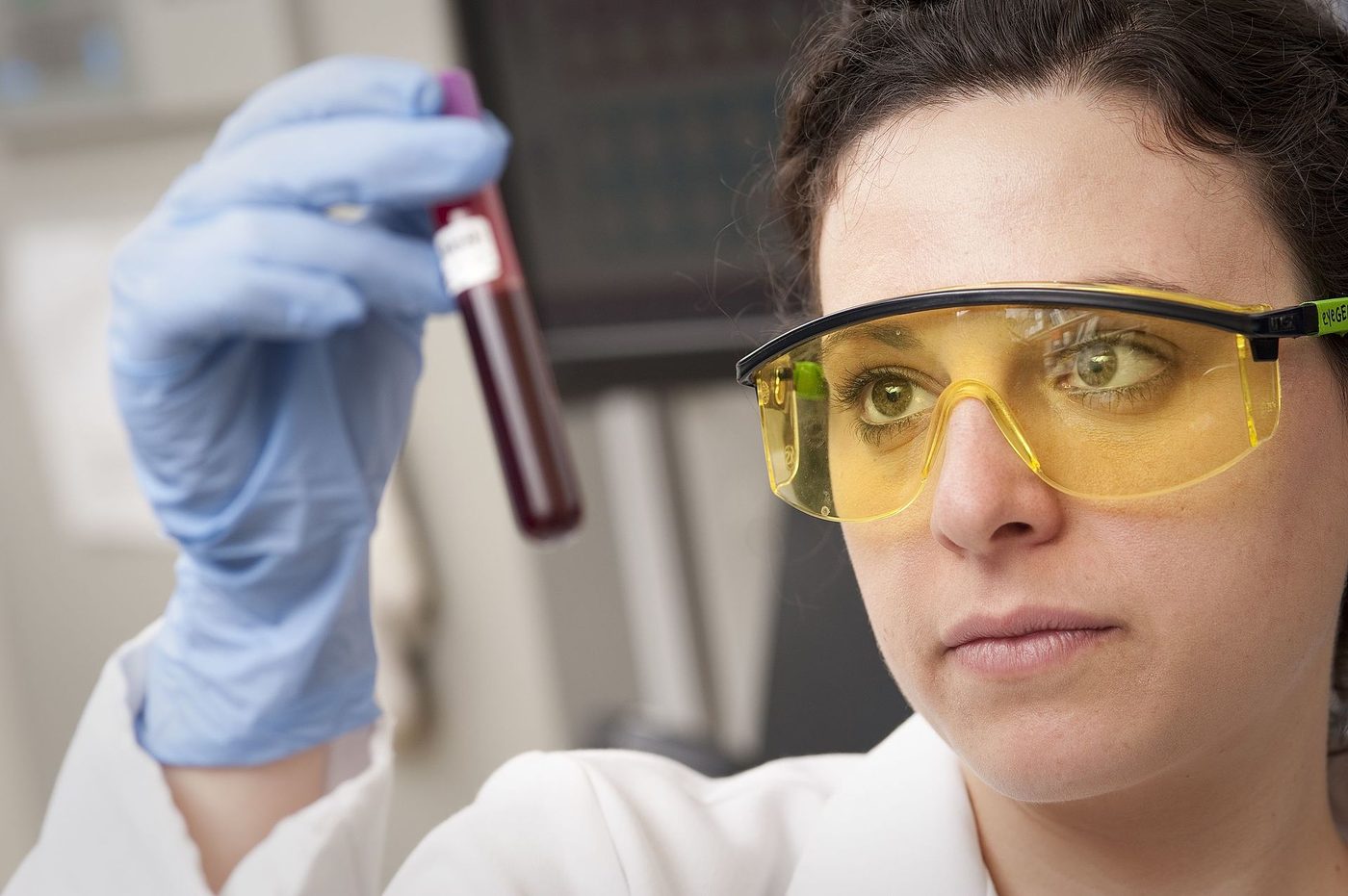
Higher ferritin cutoffs could mean more iron deficiency diagnoses
The American Society of Hematology has raised the test cutoffs used to diagnose iron deficiency. That means some people who were told their iron was fine could now get a diagnosis. For most adults, the cutoff on a ferritin blood test doubles from 15 to 30, and it is 50 for women with heavy periods.
Many people with low iron may have been told their blood test was normal. New guidelines aim to change that.
The American Society of Hematology issued its first standards for diagnosing iron deficiency in September, and they are now reaching doctors' offices through medical news outlets. The guidelines set higher cutoffs for ferritin, a protein that stores iron. A ferritin level at or below the cutoff counts as iron deficiency.
The new numbers, published in the journal Blood Advances, are 20 nanograms per milliliter or lower for children 9 months to 4 years old, up from 12. For most adults, including people who menstruate or are pregnant, the cutoff is 30, up from 15, MPR reported. For high-risk groups, such as people with heavy periods and pregnant people with anemia, it is 50. Adults with inflammation, such as those with cancer or bowel disease, get a separate test using ferritin plus a second iron measure.
Lab ranges have long varied, so some cases were never flagged. "It's all too common right now that women are told, 'Oh, your ferritin is 25, but our lab says that it's not low until it's less than 15,'" Dr. Ariela Marshall of the University of Minnesota told NBC News.
Iron helps make hemoglobin, which carries oxygen in the blood. Low iron can cause tiredness, weakness, dizziness and trouble focusing, the society says. If it goes on, it can lead to iron deficiency anemia. Up to 70% of cases are missed in high-risk groups, the society says.
Doctors disagree on whether the problem is growing. Leo Buckley of UT Southwestern told NBC News his team found a 3% rise in iron deficiency from 1999 to 2020. Dr. Andrew Eisenberger of Columbia University said he does not think there is more of it. "I think we're just kind of waking up," he said.
The society says people at higher risk should talk with their doctor about having ferritin tested against the new cutoffs. It plans separate guidance on treatment in 2027.
What we know: The cutoffs are higher for every group the guidelines cover.
What we don't: How fast labs and health systems will adopt them.
Where outlets agree MPR and NBC News both report the guidelines set a ferritin cutoff of 30 ng/mL for most adults, including menstruating and pregnant people, and 50 for those with heavy periods.
Where they differ The outlets cited here report the same key facts so far.