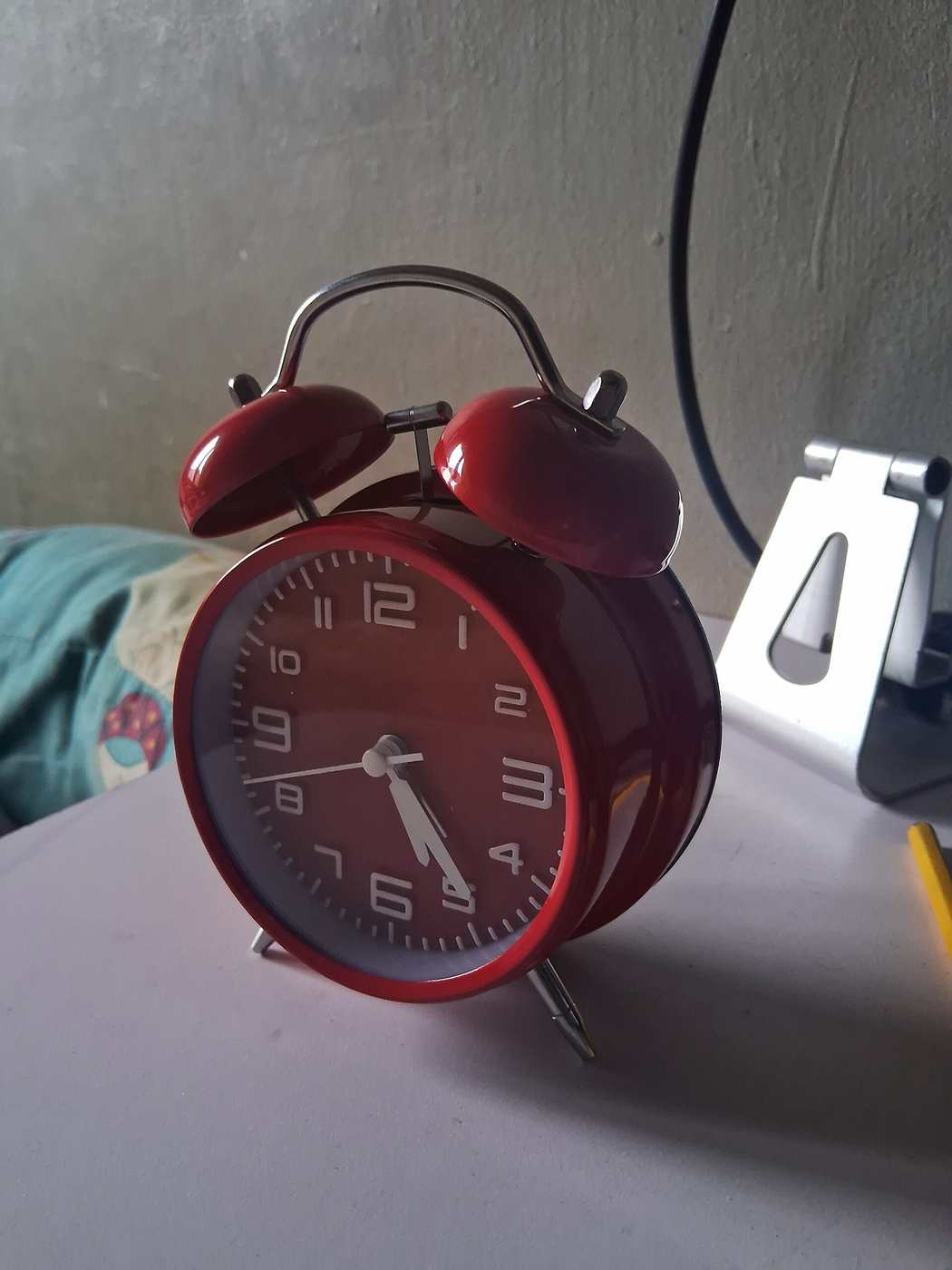
Clocks fall back Nov. 1 as permanent daylight time stalls
Daylight saving time ends early Sunday, Nov. 1, when most Americans will set their clocks back one hour. The House voted in July to make daylight saving time permanent, but the Senate has not acted on the legislation. Unless Congress moves quickly, the twice-yearly switch continues, with clocks springing forward again March 14, 2027.
Get ready for an extra hour of sleep, along with darker evenings, in about three weeks.
Daylight saving time ends at 2 in the morning, local time, on Sunday, Nov. 1, when clocks go back one hour, the Reno Gazette Journal and Reader's Digest reported. After that, the sun will set about an hour earlier by the clock.
Not everyone changes, however. Hawaii and most of Arizona stay on standard time all year, although the Navajo Nation in Arizona does observe daylight time. Puerto Rico, Guam, American Samoa, the U.S. Virgin Islands and the Northern Mariana Islands also skip the switch.
Many people have asked whether this will be the last time change, and Congress has taken steps to end it. The House of Representatives passed the Sunshine Protection Act on July 14 by a vote of 308 to 117, House records show. The bill would make daylight saving time permanent, and it drew support from both parties: Republicans voted 193 to 22 in favor, and Democrats 114 to 95.
The legislation still needs approval from the Senate. The Reno Gazette Journal reported that the Senate came back from a recess on Sept. 14 with no vote scheduled. Senators then began another recess on Oct. 5 that runs until Nov. 6, after the clocks change.
For now, the existing schedule holds. Daylight saving time returns on Sunday, March 14, 2027. The next fall change would be Nov. 7, 2027, Reader's Digest reported.
The practice spread during World War I as a way to conserve fuel, and Congress later established a national system with the Uniform Time Act of 1966. A common myth is that it was created for farmers, but farms run on sunlight, not the clock, Reader's Digest noted.
The debate is not only about whether to stop changing clocks. Americans also disagree on whether the country should stay on daylight time year-round or on standard time, the Reno paper reported.
What we know: Clocks fall back one hour early on Sunday, Nov. 1.
What we don't: Whether the Senate will ever take up permanent daylight time.
Where outlets agree The Reno Gazette Journal and Reader's Digest both report that daylight saving time ends on Sunday, Nov. 1, and returns March 14, 2027.
Where they differ Reader's Digest says this could maybe be the last clock change, while the Reno Gazette Journal says Washington is unlikely to make daylight time permanent at this point.