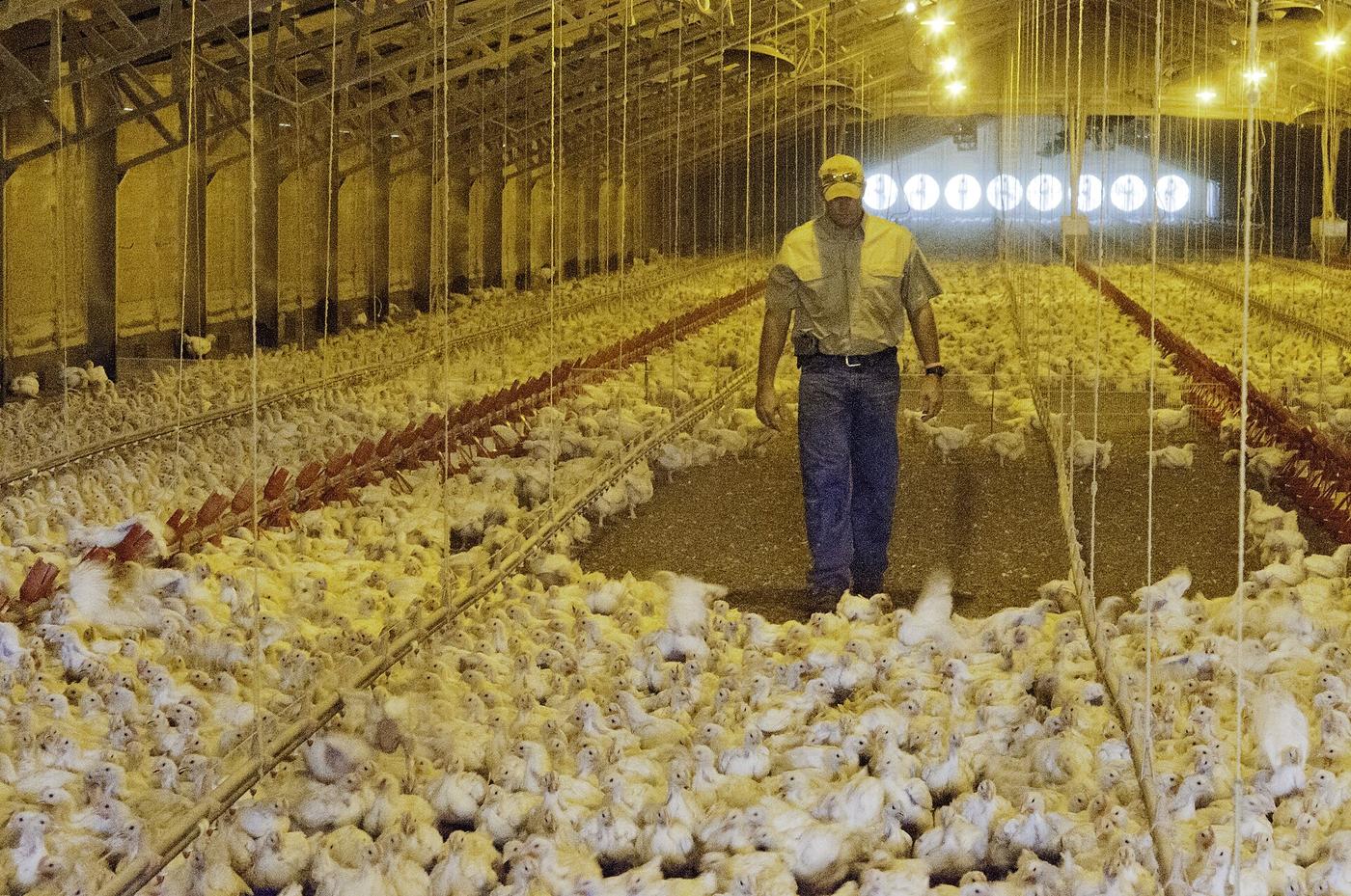
Bird flu returns to farms as fall migration ramps up
Bird flu is spreading again on U.S. poultry farms as migrating wild birds head south for the winter. About 550,000 birds in 21 flocks were infected in the past 30 days, CIDRAP reported, with Minnesota turkey farms hit hardest. Washington state also confirmed its first cases in dairy cattle Thursday, at two Yakima County farms.
The fall bird flu season has arrived on American farms.
The H5N1 virus has hit about 550,000 birds in 12 commercial flocks and nine backyard flocks in the past 30 days, CIDRAP reported Thursday, citing the U.S. Department of Agriculture. Six new detections came in the latest week, including a Stearns County, Minnesota, turkey farm with 34,400 birds and a Jay County, Indiana, duck farm with 24,300 birds.
Minnesota is the center of the fall wave. The state has had eight commercial flocks and three backyard flocks infected in the past 30 days, with 343,050 birds affected.
Turkey farms are taking the biggest hit. U.S. turkey producers lost about 545,100 birds in September, Poultry Producer reported from USDA records. The industry lost more than 2 million birds between August and December last year, and growers fear a repeat.
Migrating wild birds are a key worry. Poultry specialists at the University of Tennessee said more than 400 million birds were in the air over the U.S. on the night of Oct. 7, mostly over the Upper Midwest and Northern Plains. They expect cases to climb as migration moves south.
Small flocks are not spared. Wisconsin confirmed bird flu in a backyard flock in Racine County this week, and the birds were killed so they would not enter the food system, WTMJ reported. The state has had 26 infected poultry flocks this year. Officials urge owners to wash hands, disinfect gear and keep birds indoors when they can.
The virus also reached a new state's dairy herds. Washington confirmed its first cases in cattle Thursday at two Yakima County dairy farms, the Yakima Herald-Republic reported. Both farms are under quarantine, and veterinarians are treating sick cows. There are no confirmed human cases in the county, and health officials are monitoring people who were exposed. "The risk to the general public remains low," said Dr. Dave Atteberry, the county health officer. Dairy cattle in 19 states have been infected since the outbreak in cows began in March 2024.
What we know: Bird flu is rising on poultry farms and has reached Washington dairy cows.
What we don't: How large the fall wave will get as migration continues.
Where outlets agree CIDRAP and Poultry Producer both report Minnesota turkey farms, including in Stearns County, as the hardest hit in the fall wave.
Where they differ CIDRAP counts 21 infected flocks in the past 30 days, while University of Tennessee poultry specialists report 16 confirmed cases in the 30 days to Oct. 6.