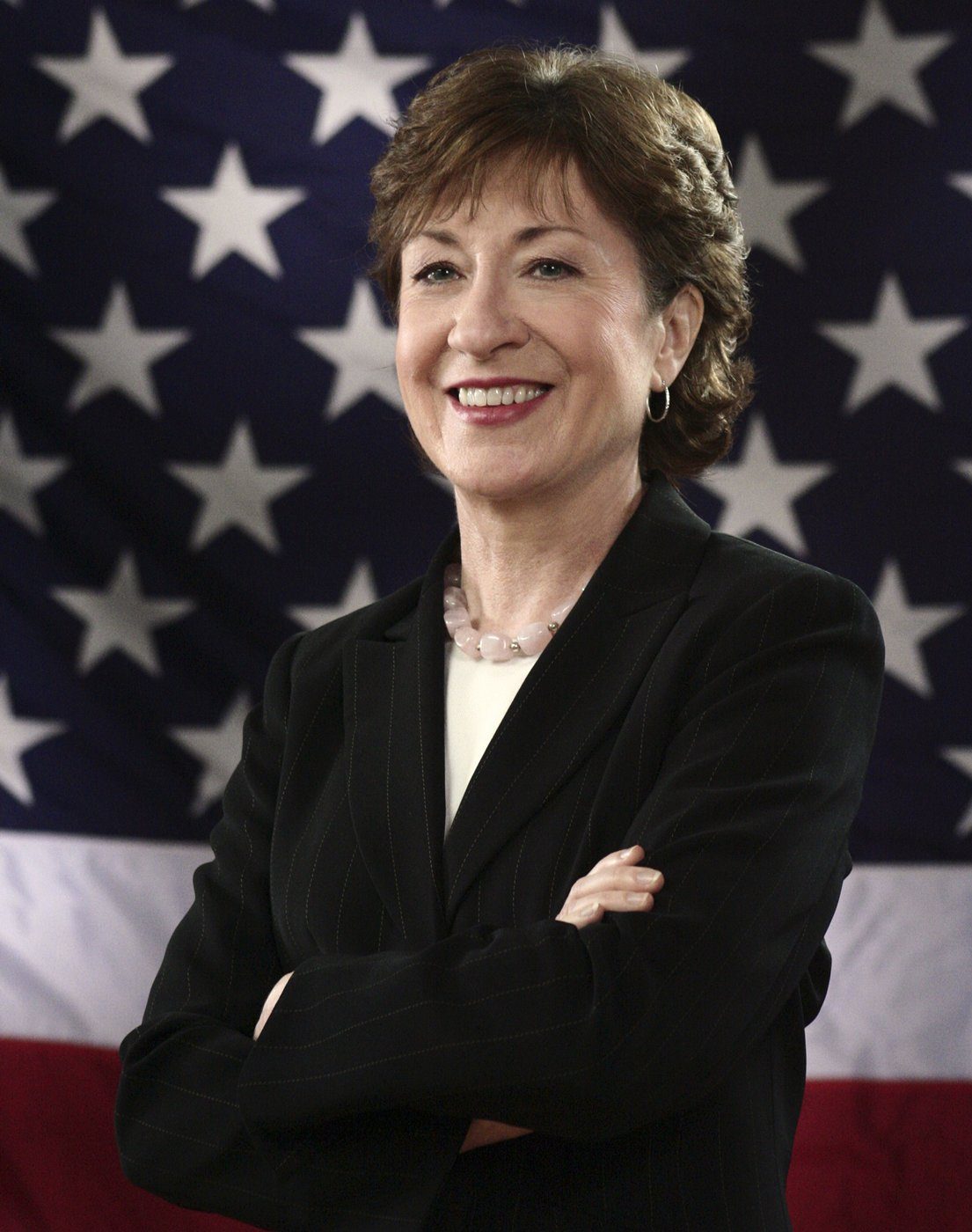
Collins and Jackson meet again Thursday in second Maine debate
Republican Sen. Susan Collins and Democrat Troy Jackson hold their second debate Thursday at 8 p.m. ET on WMTW. In Tuesday's first debate, Jackson tied Collins to President Trump while she stressed her independence and seniority. Polls show a close race that could help decide Senate control.
Maine's Senate candidates meet for a second time this week on Thursday night.
Republican Sen. Susan Collins and Democrat Troy Jackson debate at 8 p.m. ET on WMTW Channel 8. It also streams on WMTW.com, the WMTW app, Very Local, YouTube and Facebook.
Collins is seeking a sixth term, something no Maine senator has done. Jackson, a logger and former state Senate president, has been in the race just over two months. Democrats picked him at a special convention on July 25 after primary winner Graham Platner dropped out following sexual assault allegations, WMTW reported.
Their first debate, Tuesday on WGME-TV, was often sharp. Jackson named Trump at least 20 times, NBC News counted. He said Collins votes with the president 96% of the time. Collins said that study looked at only about 30% of the votes. She pointed to a broader analysis showing she votes with Trump 72% of the time and breaks with her party more than any other senator, Maine Public reported.
Asked whether she would stand with Trump if he came to Maine, Collins said she did not expect a visit. "I've heard nothing from his office, and I'm not exactly his favorite senator," she said.
The two also fought over Trump's big tax and spending law. Collins voted against it in the end but let it reach the floor. She said that helped her win a $50 billion fund for rural health care. Jackson called her "an arsonist who helped set the fire."
On costs, Jackson blamed Republicans for not pushing back on the Iran war. Heating oil, which most Maine homes use, recently topped $6 a gallon. Collins said she voted nine times to end the war. She blamed Maine's high electric rates on Jackson's votes in Augusta. Jackson repeated his support for abolishing ICE, the Washington Examiner reported.
Collins also touted $1.5 billion in federal money she has brought to Maine for 672 projects over five years. A Marist poll released before Tuesday's debate showed Jackson ahead by 4 points among about 1,500 registered voters.
What we know: Thursday's debate is their second in three days.
What we don't: Whether either debate moves a race that polls call close.
Where outlets agree NBC News and the Washington Examiner both report Collins said she did not expect Trump to visit Maine and was "not exactly his favorite senator."
Where they differ Jackson cites a study saying Collins votes with Trump 96% of the time, while Collins points to a broader analysis that puts it at 72%.