Google, Meta put $300 million into Biohub's AI 'virtual cell' push
Google DeepMind, Meta and Isomorphic Labs are putting $300 million into a Biohub project to build data for AI models that predict how living cells behave, the groups said Wednesday. The aim is faster and cheaper searches for disease treatments. Counting federal help, the whole effort is worth $1.8 billion.
Some of the biggest names in AI are betting that computers can learn how living cells work. Google DeepMind, Meta and drug discovery startup Isomorphic Labs are investing a combined $300 million in a project led by Biohub, The Verge and Axios reported Wednesday.
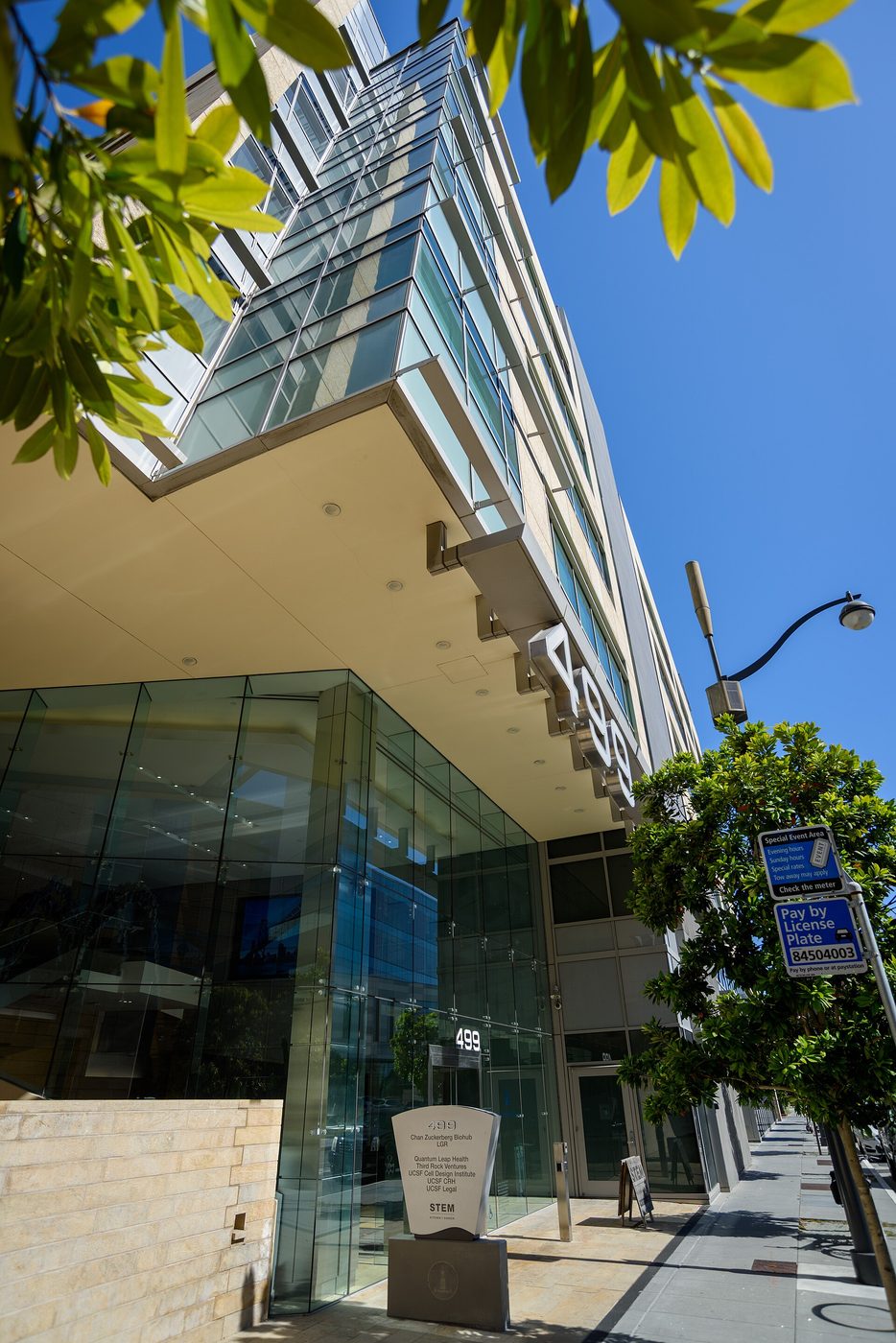
Biohub is a nonprofit research group founded in 2016 by Meta CEO Mark Zuckerberg and his wife, Priscilla Chan. Its goal is a "virtual cell," an AI model that can predict how a cell responds to a drug or other change. Scientists could then test ideas on a computer first and save costly lab work for the most promising ones.
"An accurate predictive model of biology could dramatically accelerate scientific discovery by enabling scientists to perform experiments digitally," said Alex Rives, Biohub's head of science.
The whole effort, called the Virtual Biology initiative, totals $1.8 billion in money, data and equipment. The U.S. Department of Energy plans to invest more than $500 million over five years. The National Institutes of Health is adding datasets built from more than $500 million in past federal spending. Biohub had already pledged $500 million in April.
Why is this so hard? AI has gotten good at understanding proteins, but a whole cell is far more complex, Axios reported. Much of the data AI would need does not exist yet. It has to be measured, slowly, from real cells in the lab.
The first phase will build a broad map of how cells behave and how they react to changes. Later, Rives hopes, models could look at a person's illness and predict its cause and the best treatment.
There is a business twist. The companies that pay in get one year of exclusive access to the data before it is released to everyone. "We have to have some incentive for commercial players to be a part of this," Rives told Axios. He said the one-year limit means the data becomes widely available "very rapidly."
A big question is whether biology follows AI's "scaling laws," in which models get better as they train on more data. Rives said researchers should know within a year of having the first large dataset.
What we know: Three tech firms are adding $300 million to a $1.8 billion cell-data effort.
What we don't: Whether more data will make AI models of cells accurate enough to use.
Where outlets agree The Verge and Axios both report Google DeepMind, Meta and Isomorphic Labs are investing $300 million as part of a $1.8 billion effort that includes more than $500 million from the Energy Department.
Where they differ The data is meant to become open, but paying companies get a one-year head start, and no one knows yet if cell biology will follow AI's scaling laws.