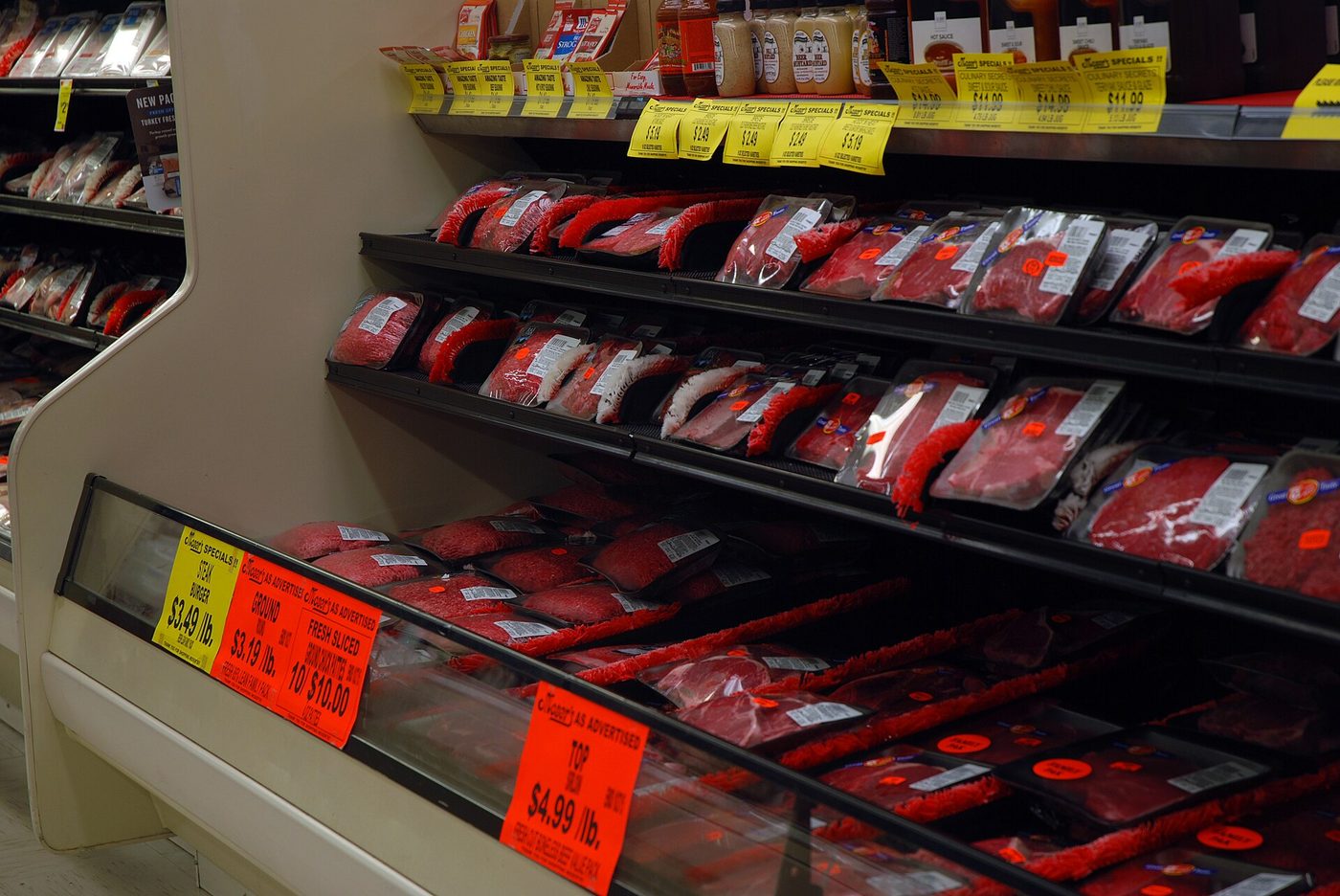
Beef prices keep climbing as cattle herd stays near historic lows
Beef and veal prices were 5.9% higher in August than a year earlier, even as overall grocery prices rose just 2.2%, University of Illinois economists report. USDA expects beef prices to rise 9.4% this year. The U.S. beef cow herd is down to 28.5 million head, near levels last seen decades ago.
Beef is still one of the priciest spots in the grocery store. Beef and veal prices in August were 5.9% higher than a year earlier, Gerald Mashange, an economist at the University of Illinois, wrote for farmdoc daily. That compares with a 2.2% rise for groceries overall.
The broader grocery picture is mixed. Fish and seafood rose 6.5% over the year. Fruits and vegetables were up 3.2%. Eggs fell 23%, and dairy dipped 0.3%. Poultry edged up 0.5%.
Eating out costs more still. Restaurant prices rose 3.4% over the past year, faster than grocery prices. Since December 2019, grocery prices are up 33% and restaurant prices are up 38.1%.
The USDA expects that pattern to hold. Its September outlook forecasts grocery prices rising 2.4% in 2026 and 1.8% in 2027. It sees beef and veal up 9.4% this year, while eggs get cheaper and pork, poultry and dairy rise only a little. USDA also noted that prices paid for cattle at the farm were 3.9% lower in August than a year earlier.
The reason is the herd. The USDA counted 28.5 million beef cows on U.S. farms as of July 1, down 1% from a year earlier. The 2026 calf crop is expected to be 32.5 million head, down 2%. The herd remains near levels last seen several decades ago, Mashange wrote.
Rebuilding takes years. Ranchers must keep more young females for breeding instead of selling them, which tightens supply in the short run. The Federal Reserve Bank of Kansas City has said high costs and drought could slow that process. Herds have usually grown only after two to three years of holding back heifers.
Demand is not letting up. U.S. beef eating in 2026 is about 8% above its 20-year average, according to the Kansas City Fed.
For shoppers, chicken, pork and eggs have been the steadier buys this year.
What we know: Beef is rising much faster than groceries overall.
What we don't: When the cattle herd will grow enough to bring prices down.
Where outlets agree farmdoc daily and USDA both report beef prices are forecast to rise 9.4% in 2026.
Where they differ farmdoc daily stresses tight cattle supplies and strong demand keeping beef prices high, while USDA notes farm-level cattle prices fell 3.9% from a year earlier in August.