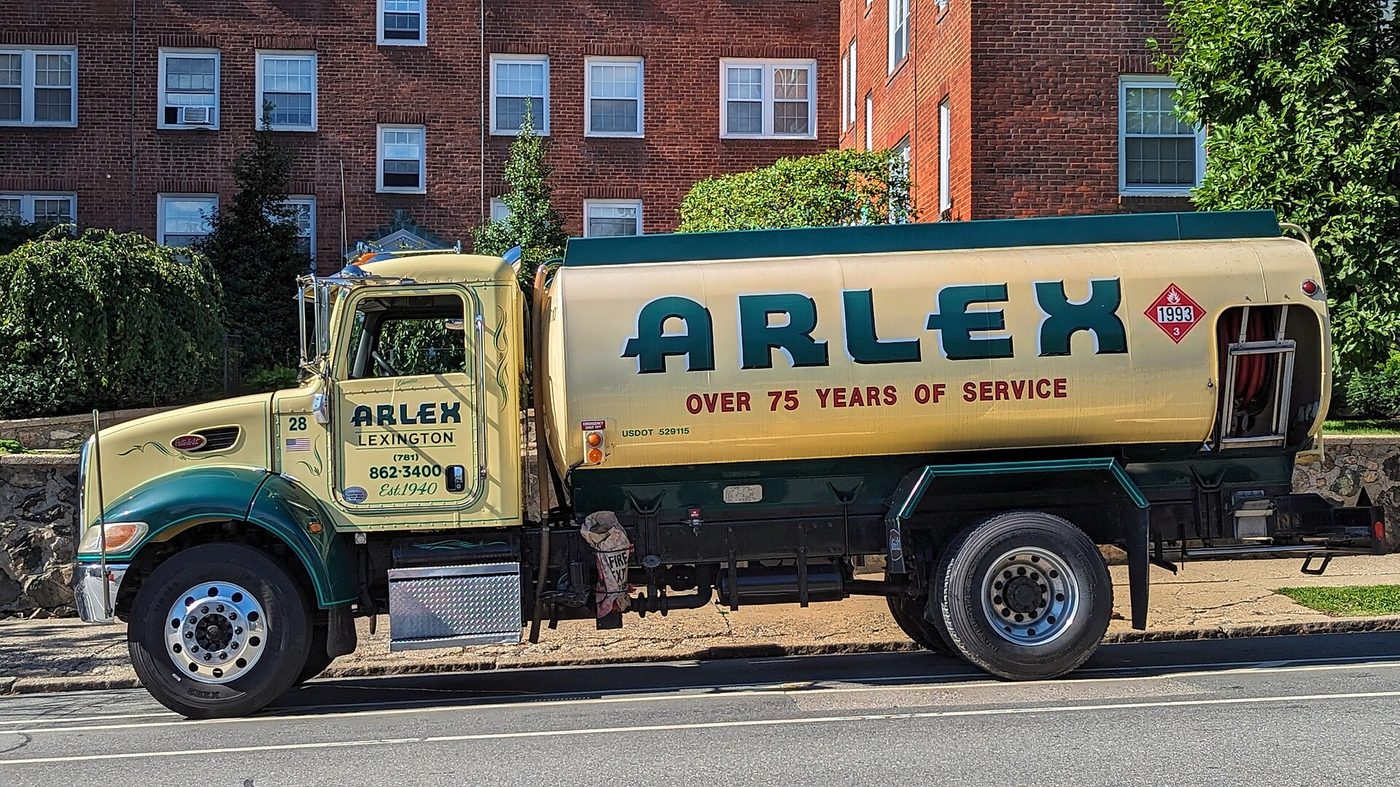
Heating oil homes face 21% higher winter bills; gas homes save
Homes that heat with oil, most of them in the Northeast, should pay about 21% more this winter, the U.S. Energy Information Administration said Tuesday. About half of U.S. homes, those using natural gas or propane, should spend less. Homes heated by electricity should pay more than last winter.
How much you pay to stay warm this winter will depend on how you heat your home. That's the message of the new Winter Fuels Outlook from the U.S. Energy Information Administration, released Tuesday with its monthly energy forecast.
Homes that heat mainly with natural gas or propane should spend less than last winter, the agency said. Those homes make up about half of all U.S. households. Homes that heat with electricity should pay more.
The biggest jump is for heating oil. EIA expects homes that use it to pay about 21% more for fuel than last winter. Only about 3% of U.S. homes heat with oil, and most of them are in the Northeast. Heating oil prices are forecast to rise more than 30%, but a milder Northeast winter should offset part of that, EIA said.
Why the split? Natural gas storage is in good shape. EIA expects gas stocks to enter the winter 2% above the five-year average. "Relatively high natural gas inventories entering the winter season provide a cushion for heating demand," EIA chief Tristan Abbey said.
Oil is a different story. Heating oil and diesel compete for the same refinery output, and that market is tight. East Coast stocks of these fuels were 32% below normal for September. EIA expects them to stay 20% to 30% below normal all winter. Retail diesel averaged $6.29 a gallon last month.
Trouble in the Middle East is a big reason. Brent crude, the global oil benchmark, averaged $114 a barrel in September, EIA said. That was $23 higher than in August. EIA said disruptions in the region are draining world oil stocks.
Weather is the wild card. EIA expects winter temperatures across the country to be about the same as last winter and close to the 10-year average. But it warned that a strong El Niño could change the picture. In past outlooks, EIA has said a colder-than-expected winter would push bills higher for nearly all households, whatever fuel they use.
EIA updates its winter forecast each month along with its regular energy outlook, so these numbers can change as the season goes on.
What we know: Oil-heated homes face the biggest increase, while gas and propane homes should save.
What we don't: How cold this winter will actually be.
Where outlets agree EIA and Finbunker both report that heating oil homes, about 3% of U.S. households, face roughly 21% higher costs while natural gas and propane homes should spend less.
Where they differ EIA expects near-normal winter temperatures but warns a strong El Niño could change heating demand, so the forecast could shift.