Daily blackouts spark spreading protests across Venezuela
Long, daily power cuts are fueling protests across Venezuela, with residents blocking roads and banging pots in several states. Nearly two in three households now face daily outages, one survey found. The interim government blames drought and El Niño and plans to add 1,300 megawatts by year's end, but experts point to years of neglect.
Venezuelans are taking to the streets over the lights. Power cuts that once came every few days now hit many homes daily, and protests are spreading.
In Táchira state, residents blocked a main highway on Monday and Tuesday. One community near San Cristóbal said it had been without power for about 15 days because of a broken transformer. Another said it had gone four days without electricity, spoiling food, Tal Cual reported. Workers from Corpoelec, the state power company, said they found the fault but the parts were in another city.
Similar scenes have played out elsewhere. Night protests have spread since Sept. 22 to states including Zulia, Mérida, Aragua, Lara and Guárico, The Rio Times reported, citing Tal Cual. Police have used tear gas at some. A monitoring group, the Venezuelan Observatory of Social Conflict, counted 536 protests over power cuts from January through August.
People are struggling. Onasis Munoz, 34, needs kidney dialysis three times a week in Valencia. He told Al Jazeera that outages now stop his treatment, and the clinic's backup generator no longer works. "We are desperate," said Patricia Cueva, a lawyer in Maracaibo.
A study by ANOVA Policy Research found 62.8% of households had daily cuts in 2026, up from 37.1% in 2024. Only 6.9% had steady power, Al Jazeera reported.
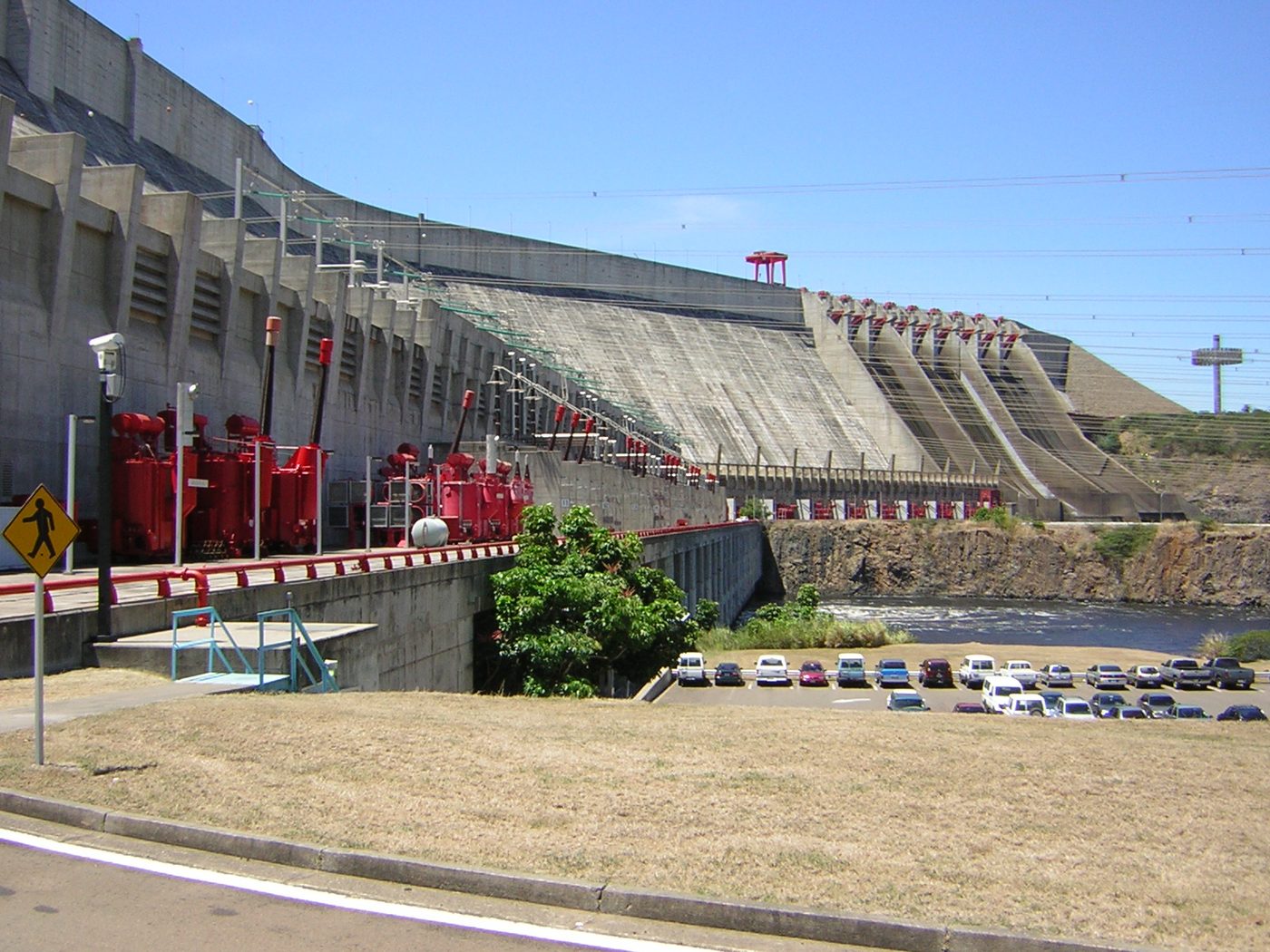
The government of interim President Delcy Rodríguez blames El Niño. About 90% of the country's power comes from hydropower, which suffers in heat and drought. Some cuts are planned rationing. The government says it will add 1,300 megawatts of power in the last three months of the year. Demand peaks near 15,000 megawatts, against 12,000 to 13,000 available, according to figures cited by The Rio Times.
Energy expert Nelson Hernandez blames "systematic neglect" of power plants and grids. He also points to oil. Output rose about 30% this year, to 1.2 million barrels a day in August, according to OPEC. Oil fields cannot be rationed, he said, so homes and shops take the cuts.
Some background: Rodríguez was vice president under Nicolás Maduro. She took over after a U.S. military operation in January seized and jailed Maduro. Since then, she has opened the oil industry to more foreign investment under U.S. pressure.
What we know: Outages are daily for most homes, and protests are growing.
What we don't: Whether new power plants will come online in time.
Where outlets agree Al Jazeera and The Rio Times both report that the government plans to add 1,300 megawatts of generating power to ease the cuts.
Where they differ The government blames El Niño and drought for the outages, while energy expert Nelson Hernandez tells Al Jazeera the crisis comes from years of neglect and rising oil-field demand.