Eight communities get $96 million for street-based addiction care
Eight U.S. communities will share $96 million over four years from a new federal program that takes mental health and addiction care to people living on the streets. Each gets $3 million a year. In Miami, the Homeless Trust says its share will fund outreach in five high-need neighborhoods, including Downtown and Overtown.
Eight communities will get $96 million over four years through a new federal program for homeless people with serious mental illness, addiction, or both. Health Secretary Robert F. Kennedy Jr. announced the picks in Houston. The program is called STREETS, short for Safety Through Recovery, Engagement, and Evidence-based Treatment and Support. The Substance Abuse and Mental Health Services Administration runs it.
Each community gets $3 million a year for four years. The winners are Montgomery County, Ohio; the Cherokee Nation in Oklahoma; Detroit; Houston; Huntington, West Virginia; Miami-Dade County; Robeson County, North Carolina; and Tangipahoa Parish, Louisiana.
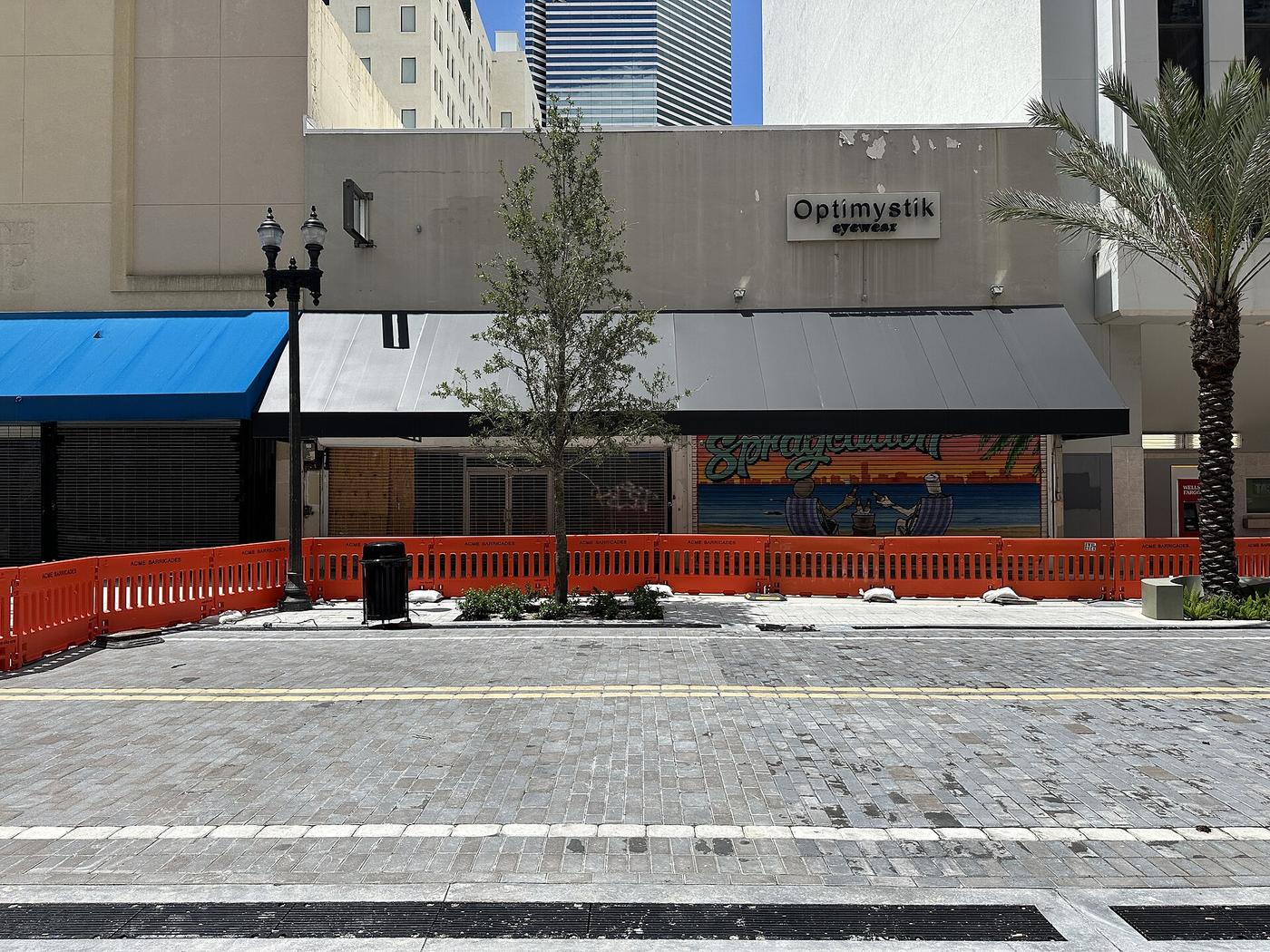
Here is what that looks like on the ground in Miami. The Miami-Dade County Homeless Trust said Monday it will launch the Miami Safe Streets Collaborative, WLRN reported. It will bring together local officials, health providers, housing groups, police and courts to give care on the street. The work will focus on Downtown Miami, Overtown, Little Havana, Allapattah and Wynwood/Edgewater.
The need is plain in the numbers. Miami police say homeless people with mental health and drug problems accounted for 1,642 crisis calls, 1,268 drug calls and 4,568 homeless contacts in 2026. "This grant is part of a missing link to help the Homeless Trust further drive down homelessness in Miami's urban core," said Ron Book, the trust's chairman.
HHS calls its approach "Treatment First." Treatment is the starting point, and recovery is the goal, the agency said. Grantees must team up with local government, health care providers, housing partners, police, courts and first responders. The aim is to keep people in treatment and cut repeat homelessness and crisis calls. "STREETS takes treatment directly to Americans living on our streets," Kennedy said.
The backstory: The program carries out President Donald Trump's executive order on "Ending Crime and Disorder on America's Streets." It is also part of a White House effort called the Great American Recovery, co-chaired by Kennedy and White House senior adviser Kathryn Burgum.
Help is available now. Call or text 988, or visit FindTreatment.gov to find treatment nearby.
What we know: Eight communities get $3 million a year each for four years.
What we don't: How each community will measure results, and how many people the grants will reach nationwide.
Where outlets agree HHS and WLRN both report that each of the eight communities gets $3 million a year as part of a $96 million federal program.
Where they differ WLRN describes Miami's award as up to $12 million over the next three years, while HHS describes $3 million a year for four years.