Justices press Air Force over Guam bomb disposal review
Supreme Court justices on Wednesday doubted the Air Force's claim that no one can sue yet over its Guam bomb site. Several said a law that requires an environmental review still applies unless Congress says it does not. Some also worried a lawsuit now could be wasted effort before Guam rules on the permit.
The Supreme Court on Wednesday heard a little over an hour of arguments in a case from Guam that could shape when people can challenge federal projects in court.
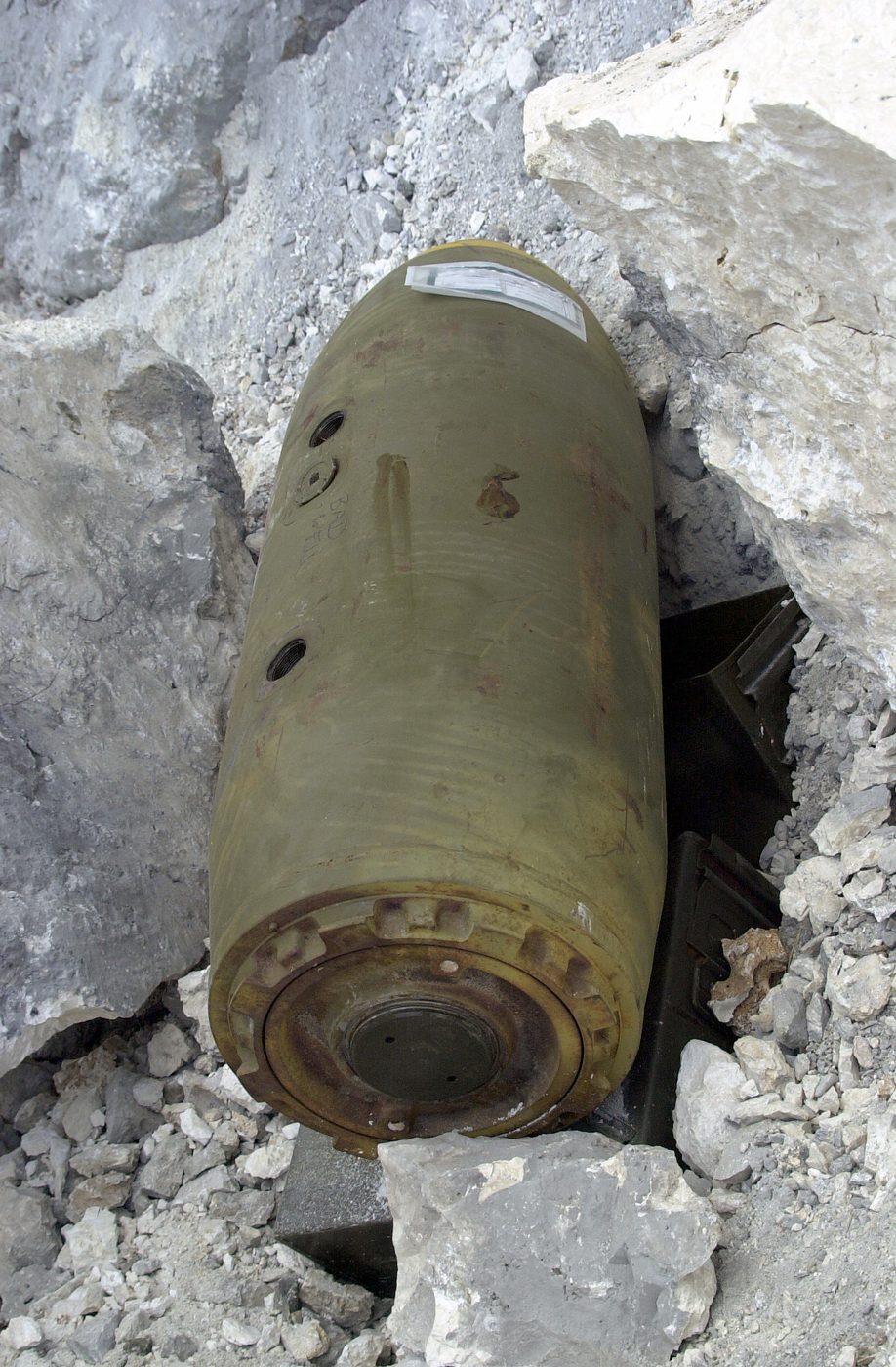
The case is Department of the Air Force v. Prutehi Guåhan. It centers on Tarague Beach on Andersen Air Force Base, where the Air Force blows up or burns old World War II-era munitions in the open. The site sits above Guam's only source of drinking water, the group's lawsuit says.
The Air Force told the justices the suit should be thrown out. It said its 2021 request to renew a hazardous-waste permit from Guam's environmental agency was not a final decision that can be challenged yet. It also said the hazardous-waste law, not the National Environmental Policy Act, governs the disposal.
Several justices seemed doubtful. "So you're saying that there's no point at which the Air Force's decision can be challenged," Chief Justice John Roberts said, according to The Hill. Justice Sonia Sotomayor noted that Congress often writes exceptions to the environmental review law, "but they haven't done it in this context," Courthouse News reported.
The justices also pressed the group. Justice Elena Kagan said Guam's agency might not issue the permit the way the Air Force wants. She said it could be "a big waste of time" to allow a challenge now if review is still possible once the permit's terms are known. Justice Clarence Thomas called it "an odd case" because a regulated party is asking permission, not a regulator acting on its own.
The group sued in 2022, when it was called Prutehi Litekyan: Save Ritidian. A trial court tossed the suit, but a federal appeals court revived it in February 2025. The government then asked the Supreme Court to step in, and the court agreed in March.
After the hearing, group leader Monaeka Flores said the review law matters more on Guam because residents cannot vote for president and have no voting member of Congress. "We do not have political equity," she said. Earthjustice lawyer Caroline Flynn told the court that Guam's agency does not enforce the federal review law.
The court posts argument transcripts on its website after each session.
What we know: The justices heard arguments, and several questioned the Air Force's view that its permit request can't be challenged.
What we don't: How the court will rule, or when.
Where outlets agree The Hill and Courthouse News both report that several justices doubted the Air Force's argument that its permit request is beyond a court challenge under the environmental review law.
Where they differ The Air Force says the suit is premature and the hazardous-waste law governs, while the group says Guam's agency does not enforce the review law, so a court must.